
Samsung details the effect of Privacy Display on the Galaxy S26 Ultra’s screen brightness: variation is negligible

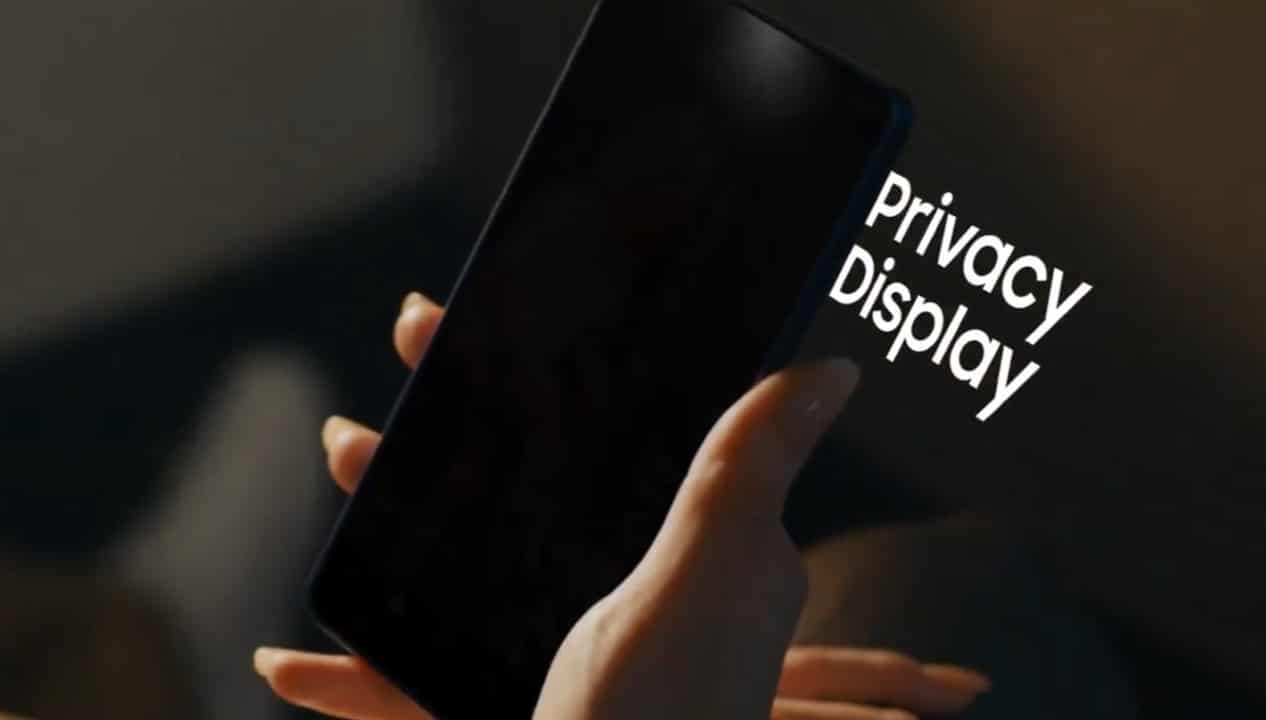
Samsung confirmed that the Galaxy S26 Ultra may present a slight variation in the brightness of its screen due to the integration of Privacy Display technology. The official statement from the South Korean giant comes to clarify the discussions and observations of users and technology experts, who noticed a small difference in brightness compared to previous models.
Despite initial reports and tests that indicated a possible reduction in brightness, the company reinforces that any impact on the device’s daily use experience should be minimal. The purpose of Privacy Display, according to Samsung, is precisely to protect the user’s privacy, ensuring that the content of the screen is clearly visible only to those who are using it directly.
Discussions about the performance of the Galaxy S26 Ultra’s 6.9-inch screen have gained momentum after detailed analysis. Comparações side by side with the Galaxy S25 Ultra, carried out by several specialized publications and laboratories, demonstrated small differences in aspects such as nits and color density, which tended to favor the previous model.
Manufacturer’s clarifications
Samsung has issued a formal statement to address the issue of screen brightness on the Galaxy S26 Ultra. The company acknowledged the existence of “some variation”, directly associating it with the operation of the Modo Privacidade.
The statement details that these variations are more noticeable under specific conditions. Tais conditions include holding the phone at certain angles and with the brightness set to maximum, pointing to a very particular usage scenario.
Early testing and insights
Field tests conducted by experts corroborated initial findings about the Galaxy S26 Ultra display. Observation, alongside an Galaxy S25 Ultra, with identical brightness settings, demonstrated a difference in brightness when both devices were viewed from an angle.
These evaluations highlighted that the perception of variation is subtle and often imperceptible under everyday use conditions. The difference only became evident under a rigorous comparative analysis, carried out in controlled environments to isolate the brightness variable.
Privacy Display technology in focus
The Privacy Display represents a significant innovation in smartphone display hardware, designed with a primary focus on user security and privacy. Essa technology operates at the pixel level, limiting the visibility of screen content for observers viewing from side angles.
The implementation of this functionality aims to prevent sensitive information from being exposed to prying eyes in public spaces or situations where discretion is essential. By obscuring the screen for those not directly in front, the Privacy Display adds an extra layer of data protection and personal privacy.
Debate between users and real experience
Despite the innovative functionality, some users have reported negative experiences with Privacy Display. Discussões in online forums mentioned discomforts such as nausea and eye strain after prolonged periods of use of the Galaxy S26 Ultra, attributing these symptoms to the screen technology.
On the other hand, extensive evaluations by experts in the field did not record such symptoms, even after several hours of intensive use of the device. Personal experience with the resource appears to vary considerably between individuals, suggesting a different adaptation to the new type of visualization.
Brightness variations and settings
The perception of variation in brightness on the Galaxy S26 Ultra screen may be influenced by the device’s brightness settings. Testes indicated that, by reducing the screen brightness, the difference in brightness caused by Privacy Display becomes less evident.
This observation is in line with the recommendations of Samsung, which points to maximum brightness as a factor for intensifying the variation. Manipulating brightness settings can therefore be a tool for users to adjust the screen to their preferences, minimizing any visual impact.
Final innovation assessment
Despite small variations in brightness, Privacy Display technology has been widely recognized as a notable innovation in the smartphone market. Especialistas highlight the feature as a significant advancement in display hardware, with no direct equivalent on other modern devices.
The focus on privacy and the ability to hide screen content from side angles are seen as considerable advantages. The functionality offers added value that, for many, compensates for the slight change in perceived brightness.
Market impact and acceptance
The introduction of the Privacy Display in the Galaxy S26 Ultra could influence the future development of smartphone displays, pushing other manufacturers to explore innovations that balance performance and privacy. Consumer acceptance will be crucial in determining large-scale adoption of such technologies. The market demonstrates growing concern about data security and privacy, making features like Privacy Display potentially attractive. Samsung’s decision to integrate this technology reflects a trend towards valuing the protection of personal information directly on hardware.
Perspectives for screen technology
The development of screens with advanced functions, such as the Privacy Display, points to a future where technology goes beyond the mere display of images. Fabricantes are investing in solutions that offer additional benefits, such as safety and visual health. Continuous evolution seeks to optimize the user experience, integrating intelligent features that respond to the demands of an increasingly connected world. The balance between innovation, visual performance and new privacy features becomes a central point for the next generations of devices.
Maintaining user privacy
The primary benefit of Privacy Display lies in its ability to enhance user privacy in diverse environments. In public transport, offices or busy places, the technology allows the user to access sensitive information without the risk of people nearby viewing it. Esta functionality is particularly relevant in a scenario where the protection of personal and corporate data is a growing concern. The Samsung positions the Galaxy S26 Ultra as a device that not only delivers high performance, but also prioritizes visual safety.
The future of smartphones
The integration of innovations such as the Privacy Display into the Galaxy S26 Ultra exemplifies manufacturers’ quest to differentiate their products in a competitive market. The smartphone industry continues to evolve, with companies exploring new technological frontiers to enhance the user experience and meet their evolving needs. The challenge lies in balancing traditional performance with the incorporation of advanced features, ensuring that innovations offer real value and are well received by the public. The Samsung, with the Galaxy S26 Ultra, demonstrates a commitment to leading the way.




