Apple designs new premium smartphone with transparent back and battery greater than 5000mAh

The North American electronics manufacturer is preparing to launch a high-performance mobile device that promises to change the aesthetic and functional standards of the industry. The new equipment will have a completely translucent back, allowing the internal components to be seen, combined with a battery with a capacity of more than 5000mAh. The project requires a complete redesign of the hardware architecture to ensure that the exposed parts present a visually pleasing finish.
Engineers work on relocating circuit boards and connectors, seeking a symmetry that meets the brand’s design requirements. The structural change represents a significant technical challenge, as the exposure of internal elements cannot compromise the durability or thermal efficiency of the device. Assembly requires millimeter precision to prevent cables or solders from being visible in a disorganized way.
The industrial schedule points to the start of mass production in the second quarter of the year of launch, aiming for global supply for the month of September. The Asian supply chain has already begun adapting machinery to handle the new materials required by the project. The initial manufacturing volume will be adjusted according to assembly line performance tests.
Innovative design and high resistance materials
The smartphone’s chassis will continue to use aerospace-grade titanium, a material that guarantees lightness and structural resistance to the whole. Integrating this metal with the new back panel requires advanced bonding and sealing techniques to maintain integrity against water and dust.
The translucent glass will undergo a deep chemical strengthening process, designed to withstand daily drops and scratches. The composition of the material aims to prevent yellowing over time, a common problem on transparent surfaces exposed to ultraviolet radiation.
Internal restructuring and cooling system
Heat dissipation received special attention due to the new glass back, which has different thermal properties than traditional opaque panels. The system incorporates high-density graphene plates and an enlarged vapor chamber to distribute temperature evenly.
These cooling components have been redesigned not only for efficiency but also to enhance the device’s internal aesthetics. Strategic positioning prevents overheating during intensive tasks, such as recording ultra-high-resolution videos or running heavy applications.
The motherboard adopts a more compact format, freeing up physical space for the battery and improving internal airflow. The power and data connectors have dark, patterned coatings, eliminating the rustic look common in hidden hardware.
Screen advances and reduction of front edges
The dimensions of the displays will show a slight increase, reaching 6.3 inches in the standard model of the professional line and 6.9 inches in the larger version. The increase occurs without compromising ergonomics, thanks to a drastic reduction in the edges surrounding the light panel.
Facial recognition technology and front sensors will be located under the screen, eliminating the need for large cutouts in the glass. Essa change maximizes the useful viewing area and changes the way the operating system displays notifications at the top of the display.


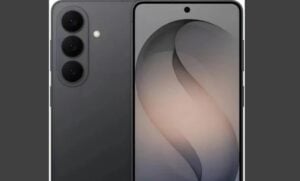
The OLED panels will feature a new light-emitting layer that reduces energy consumption by up to thirty-five percent. The variable refresh rate will continue to be present, adjusting the fluidity of the image according to the content displayed to save load.
Maximum brightness will reach unprecedented levels, making it easier to read in direct sunlight without causing accelerated pixel degradation. Factory color calibration promises precision aimed at image and video editing professionals.
Energy capacity and transition to digital connectivity
Daily use autonomy will receive a substantial boost with the implementation of battery modules that exceed the 5000mAh mark, reaching 5200mAh in the larger screen model. The increase in energy density was achieved through new chemical formulations that allow storing more charge in the same physical volume. Power management will be optimized by algorithms that learn the owner’s usage patterns, suspending unnecessary background processes. The fast charging system will also undergo revisions, supporting higher powers to replenish the battery in less time. Component lifespan will be protected by active cooling mechanisms during recharging, preventing thermal stress that degrades lithium-ion cells.
In the field of connectivity, the device will mark the definitive removal of the physical chip tray from operators in all global markets. The exclusive adoption of the digital format frees up valuable internal space, which was immediately repurposed for expanding the battery and camera modules. The absence of a physical opening on the side of the chassis also reinforces the device’s seal against the entry of liquids and debris. Operadoras telecommunications companies around the world are already accelerating the transition of their systems to support large-scale remote activation of lines. The change simplifies the process of changing operators when traveling internationally, allowing data plans to be contracted directly through the system settings.
Advanced processing and expanded memory
The smartphone’s computational core will be driven by a processor manufactured using the two-nanometer lithographic process, a milestone in the miniaturization of transistors. Essa architecture enables superior performance with lower thermal dissipation, working in conjunction with twelve gigabytes of RAM to support complex multitasking. Neural processing capacity has been expanded dramatically, allowing most artificial intelligence functions to be performed locally without relying on cloud servers. Local execution guarantees greater privacy for user data and reduces latency in voice commands and text or image generation. The integrated graphics hardware will support advanced real-time light and shadow rendering technologies, bringing the visual quality of mobile games closer to that of desktop consoles. The chip’s efficiency compensates for the energy expenditure of the new software functions, maintaining thermal balance even after hours of continuous use. The longevity of the equipment is ensured by this processing slack, ensuring that the device receives operating system updates for almost a decade without experiencing slowdowns. Desenvolvedores of applications will have access to new programming tools to exploit the full potential of this set of hardware. Intelligent memory management instantly suspends and resumes applications, creating a seamless, stutter-free user experience.
Updates to the camera and communication system
The photographic set will introduce lenses with mechanical variable aperture, allowing physical control over the depth of field and the entry of light into the main sensor. Satellite communication will receive a substantial upgrade, making it possible to send voice messages and short media in areas without traditional cellular network coverage.
Production strategy and market positioning
The final assembly of the devices will require a factory environment with strict particle control, as any internal dust would be visible through the rear glass. Fornecedores of optical and battery components have already signed exclusive contracts to guarantee the necessary volume at launch.
The cost of developing new materials and miniaturizing components will be reflected in the final value of the product on the shelves. The device will be positioned in an ultra-premium price category, aimed at technology enthusiasts and consumers willing to invest in cutting-edge innovations.
Veja Tambem em News (EN)

Research reveals that parents are unaware of how their children use artificial intelligence

Samsung releases new system update with new features for Galaxy Watch 4 users

Digital retail reduces the value of the Galaxy S25 5G smartphone with bank bonuses and device exchange

Amazon’s wireless CarPlay adapter has a 50% discount and high approval ratings from drivers

Zach Cregger’s new Resident Evil ignores games and focuses on an unprecedented story with new characters

Rumor suggests that Nintendo is preparing a special edition of the Switch 2 with a remake of Ocarina of Time

Apple accelerates production of the iPhone 17e and develops new Air model with dual camera system

Epic Games platform releases twelve high-budget games at no permanent cost for PC users

PlayStation 5 Pro price drop accelerates digital retail sales and eliminates global stocks

New Galaxy Watch 9 firmware appears on server and confirms progress in software development

Apple’s commemorative project tests cell phone with 1.1 millimeter edge and curved screen for 2027