Apple prioritizes native artificial intelligence and preserves translucent interface on iOS and macOS
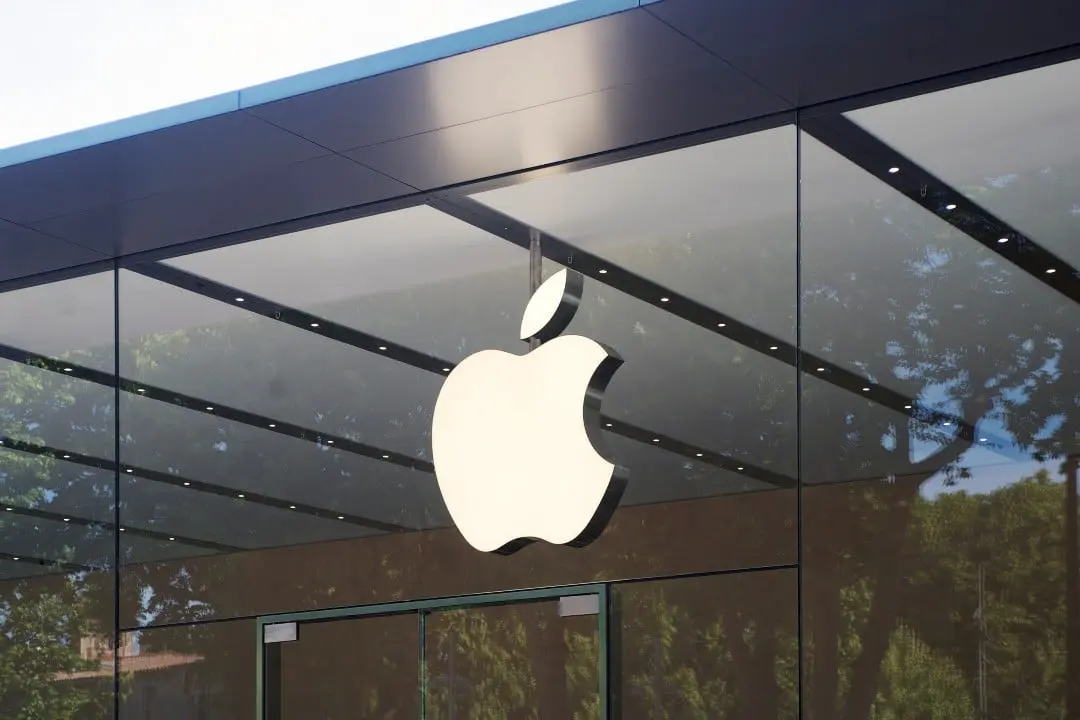
Apple defined the roadmap for the next updates to its operating systems, choosing to maintain the visual identity based on translucent elements. The strategic decision dispels rumors of a complete graphical overhaul on the brand’s devices.
The development team’s main focus was redirected to implementing new functional features and improving the existing interface. The current priority is to guarantee the fluidity and transparency that characterize software on computers and mobile devices.
This optimization of the user experience will occur through subtle changes, avoiding a steep learning curve. The objective is to maintain familiarity in navigation and menu layout for consumers who already use the device ecosystem.
Visual optimization and audience reception
The visual language adopted by the company, often associated with the appearance of liquid glass, will continue to be the aesthetic basis of the software. The approach maintains extensive use of blur and transparency to create a sense of depth and hierarchy on the screen.
Public reaction to design continuity shows clear divisions on technology forums and feedback platforms. A portion of consumers express the desire for a complete renovation, arguing that the current interface needs a more modern look to keep up with technology market trends. In contrast, creative professionals and business users prefer the predictability of the current system, as familiarity with shortcuts ensures they can maintain productivity without interruptions.
Software engineers focus efforts on improving the following graphical interface elements:
– Ajustes fines in the legibility of texts superimposed on translucent backgrounds.
– Specific Correções in color combinations that make quick reading difficult.
Learn more: Apple hides Siri design in iOS 27 within WWDC 2026 artwork
– Modificações in blur levels to ensure visual accessibility in different light conditions.
Deep integration with machine learning
The central reason for preserving the current design lies in the complexity of integrating generative artificial intelligence tools. The company rewrites significant portions of the source code to support advanced processing operations directly on the device.
This technological transition requires a massive effort from the engineering department, limiting the feasibility of simultaneous changes to the visual layer. The absolute priority is to ensure that the algorithms work efficiently, without compromising the battery life of portable equipment.
System stability and software architecture
New AI-based functions automate routine tasks and provide accurate contextual suggestions while typing and browsing. Developers insert hooks into the operating system so that these tools interact seamlessly with native and third-party applications.
To make this complex architecture viable, the stability of the graphical interface acts as a safe haven. Layout maintenance allows engineers to isolate AI-related code issues without the interference of visual glitches caused by a newly designed interface.
More on this story: Apple’s commemorative project tests cell phone with 1.1 millimeter edge and curved screen for 2027
See Also


Internal documents indicate that the redirection of resource allocation aims to avoid the wear and tear of a drastic change without proven functional need. The human interface team assessed that the current structure still has room for evolution and allows the addition of new technologies without distorting the virtual environment.
Contrast standardization across devices
The visual refinement process encompasses the standardization of contrast and sharpness levels across the entire line of devices sold. The manufacturer seeks to ensure that the viewing experience is strictly identical, regardless of the screen size or panel technology used in the end user’s equipment.
Minor tweaks to the rendering code are implemented to ease the load on graphics processors during heavy usage. Essas Fine optimizations reduce power consumption when displaying complex animations and screen transitions.
Thermal control of mobile devices also directly benefits from these improvements in visual processing. Energy efficiency becomes a crucial factor as machine learning operations require more local processing power.
On the same topic: New Apple system update optimizes urgent task management for iPhone users
The harmony between graphic beauty and hardware performance guides the development team’s decisions. The choice reflects maturity in the development cycle, where system stability takes precedence over purely superficial changes that could generate instability in daily use.
History of brand aesthetic updates
The trajectory of acceptance of the current visual language finds parallels in previous moments in the history of the electronics manufacturer. In the past, the transition from interfaces that simulated real textures to a completely flat design generated intense debate and required a long period of adaptation on the part of consumers and application developers. Aquela Radical change, although initially controversial, laid the foundation for a decade of software evolution, consolidating a widely adopted standard in the technology industry.
The current scenario demonstrates a maturation of this corporate philosophy, with the company recognizing that translucent design has reached a level of sophistication that does not require drastic reinventions with each annual cycle. The continuous improvement strategy replaces the need for an aesthetic revolution, allowing development focus to be directed toward the fluidity of animations, the consistency of icons, and the overall cohesion of the operating system across all hardware platforms.
New system customization options
Future versions of the operating system will offer more granular controls for users to tailor the interface to their visual preferences and accessibility needs. Technical planning includes the addition of configuration menus that will allow you to directly change the blur intensity and opacity of background elements. Essa measure provides a practical and immediate solution to the readability and visual comfort issues reported during the usability testing phases. Flexibility in customization ensures that the interface suits both users who prefer a cleaner, more opaque look and those who value the original translucent aesthetic, promoting a more inclusive user experience that is adaptable to different lighting conditions in the work or leisure environment.
Continuity in the engineering team
The organizational structure of the design and human interface department remains intact, ensuring the continuity of the vision established in recent years. Industry leaders stand their ground by ensuring the consistent application of aesthetic guidelines across all of the brand’s products, from smartwatches to high-performance desktop computers.
Usability and efficiency tests
The absence of turnover in management positions avoids interruptions in long-term planning and strengthens the internal culture of development. Essa cohesion facilitates communication between visual design and systems programming teams.
More on this story: Apple accelerates production of the iPhone 17e and develops new Air model with dual camera system
The result of this rigorous alignment is reflected in more polished software updates that are strictly aligned with the high quality standards required by the global technology market. The focus remains on delivering a robust operating system, capable of integrating new tools imperceptibly for the end user.