
Automaker General Motors evaluates expanding production of the Chevrolet Bolt EV in light of high global demand

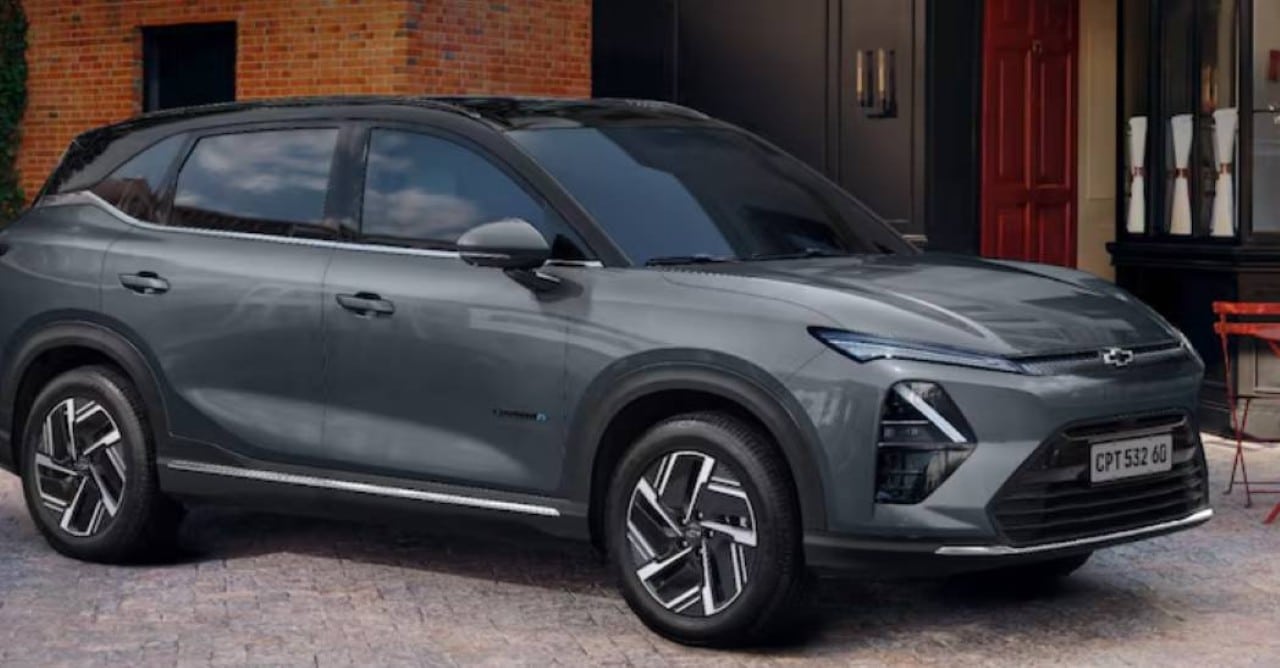
The engineering and planning leadership of one of the largest vehicle manufacturers in the world is reconsidering the manufacturing schedule for its main entry-level electric model. Inicialmente designed to have an assembly cycle restricted to eighteen months from its launch, the new compact zero-emission utility vehicle can gain significant survival on production lines. The strong demand for sustainable mobility options at affordable prices forced the board to recalculate the supply strategy, aiming to maintain competitiveness in a sector that is undergoing rapid and aggressive transformations. The final decision on extending the manufacturing period will depend on sales behavior in the first quarters and the supply chain’s ability to keep up with the fast pace of factories.
Competitive pricing and global market reactions
To remain relevant in a scenario of intense commercial dispute, the manufacturer set an initial value estimated at 27,600 dollars for the new model. Este financial positioning places the vehicle as one of the most affordable options in the electric vehicle segment, attracting the attention of consumers seeking the energy transition without compromising their household budget. The strategy aims to directly confront Asian competitors who dominate the entry level and who use aggressive pricing policies to conquer new territories.
The automotive sector reacted with strong interest to the possibility of an extended life cycle for the car, with dealers reporting a significant volume of inquiries from potential buyers.
Maintaining a reduced cost on the assembly line is made possible by the intelligent reuse of existing technologies validated in other vehicle families of the brand. Instead of developing structural and logical components from scratch, the automaker chose to integrate battery systems and electric motors from previous generations, optimizing manufacturing processes and cutting massive research and development expenses. Essa pragmatic approach protects the company’s profit margins while delivering a reliable and thoroughly road-tested product, meeting the stringent safety and energy efficiency requirements imposed by international traffic regulators.
Asian competition and portfolio restructuring
Pressure exerted by foreign manufacturers plays a central role in the North American automaker’s recent corporate decisions. Marcas Eastern countries are rapidly expanding their global operations, offering vehicles with high technology, refined finishing and substantially lower prices, which threatens the market share of traditional Western companies.
Compact models and low-cost SUVs coming from Ásia force an immediate and forceful response. Extending production of the entry-level vehicle acts as a tactical commercial barrier to retain brand-loyal customers and capture new drivers who want to abandon combustion engines.
Manufacturing strategies and resource optimization
The factory designated for assembling the vehicle undergoes rigorous structural adaptations to support a potentially greater production volume than initially planned. The flexibility of the industrial plant allows the company to switch between different electrical models according to daily fluctuations in global demand.
Using a shared mechanical architecture reduces assembly time and minimizes logistical bottlenecks in the supply chain. Fornecedores of essential parts, such as semiconductors, electrical harnesses and lithium cells, already operate with adjusted contracts to guarantee the continuous flow of materials to the conveyors.
Engineers responsible for the project highlight that the simplicity of the model is its greatest operational asset. Menos moving components and a design focused strictly on functionality guarantee an agile, efficient production line that is much less susceptible to unforeseen interruptions or calibration failures.
Consumer loyalty and energy transition
The history of the original model has built a solid base of extremely loyal consumers over the years of commercialization. Proprietários of previous versions demonstrate high levels of satisfaction with durability and low maintenance costs, which facilitates acceptance of the new generation.
The transition to electric mobility requires products that convey complete confidence and familiarity to the common user. The revival of an already established name in the automotive sector reduces the psychological barrier for those purchasing a car powered exclusively by batteries for the first time in their lives.
Government incentive programs also strongly boost sales in the entry-level category in several countries. Subsídios taxes applied to zero-emission vehicles make the final price in stores even more attractive, accelerating the renewal of the circulating fleet in large urban centers.
The public charging infrastructure, although still expanding in many regions, follows the growth in sales of smaller models. The predominantly urban use of these cars requires fewer stops on long-distance highways, adapting perfectly to the daily routine of commuting between home and work.
Logistics dynamics of the automotive supply chain
The decision to prolong the manufacturing of a specific model profoundly changes the logistical planning of dozens of commercial partners spread across the globe. Fabricantes of tires, alloy steel suppliers and automotive software developers need to readjust their delivery schedules to align with the new extended production horizon. The stability generated by a longer life cycle attracts heavy investments for the modernization of outsourced factories, which gain legal security to expand their own facilities and hire more specialized labor.
The efficient management of electronic components continues to be a critical point for the basic industry. The standardization of microchips and control modules adopted by the automaker mitigates the risks of sudden shortages, ensuring that dealership yards remain supplied throughout the year. Essa operational predictability strengthens shareholders’ confidence in the company’s ability to meet its long-term electrification goals, maintaining positive cash flow even in scenarios of global economic instability.
Commercial positioning and sales volume
The affordable electric vehicle segment has become the main battleground for automakers seeking massive sales volume and isolated market leadership. Enquanto luxury models guarantee high profit margins per unit and serve as technological showcases for experimental innovations; they are the entry-level cars that dictate the real pace of mass adoption of sustainable mobility by the general population. The strategy of offering a product with a highly competitive price, combined with a broad, widespread and already consolidated technical assistance network, creates a commercial advantage that is difficult to replicate by new brands that still need to build their service networks. The extension of the manufacturing period ensures that the company maintains a constant and aggressive presence in showcases, avoiding gaps in the portfolio that could be quickly filled by sedans and hatches from rival brands. The continuous and uninterrupted production scale dilutes the fixed costs of the manufacturing operation, allowing possible downward price adjustments or the inclusion of new security and entertainment equipment packages without compromising the financial viability of the original project.
Adaptation to new urban mobility demands
Constantly evolving driver preferences require fast, accurate and efficient responses from the heavy-duty automotive industry. Maintaining an affordable, compact and proven functional electric vehicle directly addresses the global urgency for cleaner, quieter and more economically viable daily transportation solutions for the working middle class.



