
Automaker GWM readjusts Haval H6 utility table and top-of-the-line version now costs R$326,000

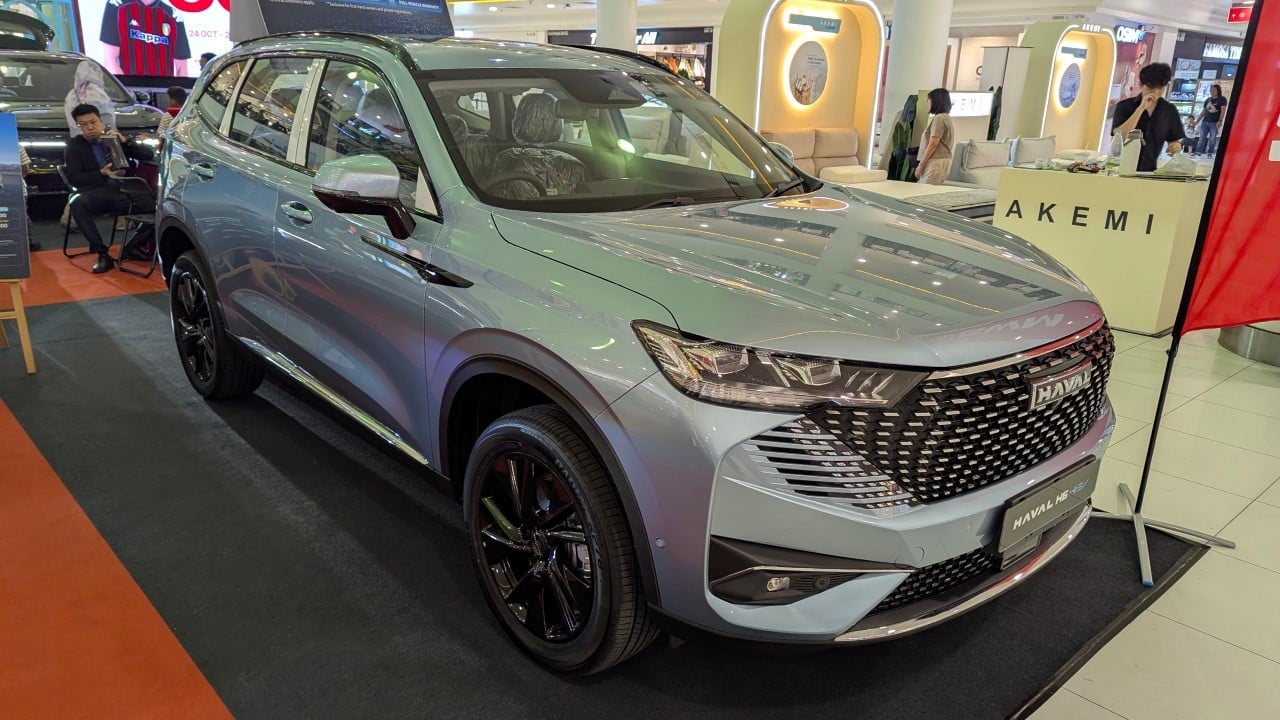
Automotive manufacturer GWM applied a linear adjustment to the price list for the entire line of the Haval H6 sports utility vehicle sold in the national market. The established increase affects all configurations available at dealerships, from the entry-level option to the model with a sporty appeal.
This change in values occurs at a time of strategic transition for the Asian automaker, which is preparing to begin local production of its vehicles. The tariff change reflects the operational adjustments necessary for the consolidation of the industrial complex located in the interior of São Paulo.
Even with changes to the sales catalogues, the units that currently make up the authorized network’s stocks strictly maintain the same equipment packages. The technical specifications, internal finish and list of standard items remain unchanged in relation to previous batches, ensuring the standardization of products delivered to end customers.
Industrial transition leads to changes in market values
The decision to increase the cost of the sports utility vehicle line is directly linked to the process of nationalizing the brand’s production. The Iracemápolis manufacturing unit, recently acquired, is undergoing extensive technological adaptations to house the assembly lines for electrified vehicles. Esse período preparatório exige adequações financeiras para equilibrar os custos de importação das unidades atuais com os investimentos alocados na modernização das instalações locais, garantindo a sustentabilidade da operação comercial durante a fase de transição logística. The supply chain is also undergoing restructuring to integrate regional suppliers into the continuous production process.
The fixed increase of R$1,000 applied to all versions aims to protect the product’s perceived value compared to direct competitors in the medium SUV segment. The commercial strategy seeks to avoid sudden fluctuations that could destabilize the brand’s positioning, maintaining competitiveness while local production does not reach its maximum stipulated volume. The dealership network is already operating with the new table, guiding consumers on the updated purchase conditions and billing deadlines for the different configurations available in the import catalog.
Entry configuration receives tariff update in stores
The access version to the utility family, called HEV2, underwent a markdown in its suggested price to the public. The model, which was previously sold for R$223,000, now requires a disbursement of R$224,000 at authorized dealers throughout the country.
This option uses a self-charging hybrid system, eliminating the need to connect to external sockets to replenish energy. The mechanical package combines a 1.5-liter turbocharged combustion engine with an auxiliary electric drive strategically positioned on the front axle.
The combined power delivered by this system reaches 243 horsepower, accompanied by a maximum torque of 55 kgfm. The energy recovered during braking and deceleration is stored in a compact battery with a capacity of 1.6 kWh, managed by an advanced electronic distribution module.
The integrated operation of the engines prioritizes energy efficiency on urban journeys, allowing travel at low speeds using only electric power. Essa technical feature significantly contributes to reducing fossil fuel consumption in daily use and reduces the emission of polluting gases in large cities.
Intermediate option expands autonomy with connectable system
Going up a notch in the portfolio, the PHEV19 configuration also reflects the linear readjustment and is now offered for R$240,000. Este model introduces plug-in hybrid technology, allowing battery charging from external electrical networks to maximize the time of use of the electric motor at the expense of the internal combustion engine.
The powertrain of this version develops a combined power of 326 horsepower, providing superior performance when accelerating and regaining speed on highways. The mechanical architecture was designed to balance dynamic performance with saving energy resources, offering different driving modes to the driver through the digital dashboard.
The main advantage of this configuration lies in its ability to travel up to 110 kilometers using exclusively the energy stored in the high voltage battery. Essa electric autonomy fully meets the demands of drivers who make short daily journeys, such as commuting between home and work, without activating the gasoline engine at any time.
Model focused on long electric range reaches new level
The PHEV35 variant, developed for consumers seeking maximum efficiency in electric mode, had its price adjusted to R$280,000. The plug-in hybrid system in this version is optimized by a battery with greater energy density and volumetric capacity, capable of sustaining the vehicle for considerably longer distances without the intervention of the thermal propellant.
With a power increased to 393 horsepower and a torque of 77.8 kgfm, the utility delivers a certified electric range of 119 kilometers in official test cycles. The robust performance combined with the large energy storage capacity positions this model as a viable alternative for short and medium distance intercity trips with an almost zero rate of local pollutant emissions.
Variant with sporting appeal takes the top of the commercial table
The most expensive and exclusive configuration in the line, sold under the GT nomenclature, followed the automaker’s strict readjustment policy and reached a price of R$326,000 in dealership windows. Este model shares the same high-performance mechanical base as the PHEV35 version, delivering the same 393 horsepower and on-demand all-wheel drive, but is radically different in its aesthetic proposal, aerodynamics and suspension setup. The bodywork adopts the acclaimed coupe style, characterized by the sharp drop in the roof at the rear, giving it a much more aggressive look and focused on urban sportiness. The exclusive design seeks to attract a younger or enthusiastic consumer profile, who values visual exclusivity and dynamism in the external lines, without giving up the advanced technological package and energy efficiency provided by the high-capacity plug-in hybrid system. The interior also receives specific finishes, seats with pronounced side flaps and exclusive details that reinforce the unique visual identity of this top-of-the-line version compared to other members of the family.
Direct sales program maintains benefits for specific audiences
The sales policy aimed at Pessoas with Deficiência (PcD) remains active and unchanged at the brand’s dealerships, even after the update of the general price table. The automaker structures a direct sales program that combines the tax exemptions provided for in current legislation with additional bonuses offered by the factory itself to enable adapted purchases.
The sum of these financial and tax incentives can result in a significant reduction of up to R$35,000 on the suggested public value of the vehicle, depending on the configuration chosen by the customer. The acquisition process requires the presentation of updated medical reports and specific documentation to the transit agencies and finance departments for the formal release of discounts authorized by the government.
Commercial performance consolidates the brand’s presence in the market
The sports utility vehicle’s registration history demonstrates strong acceptance by the local consumer, with more than 32,000 units sold over the last year of full operation. The accumulated sales volume resulted in a circulating fleet of over 42,000 vehicles on national roads, consolidating the manufacturer’s leadership position in the competitive segment of electrified models and establishing a new standard of technological demand among buyers of new generation medium SUVs.



