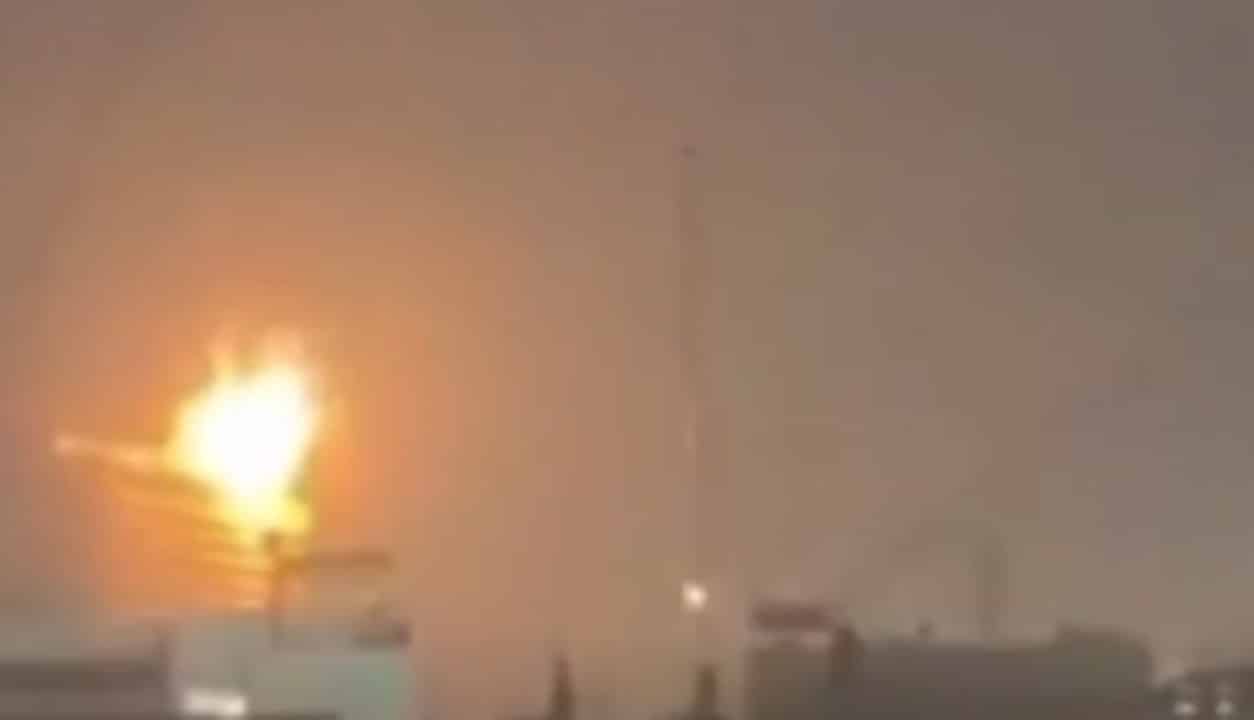
A high-severity security incident occurred in Bagdá on the night of March 18, 2026, when a drone hit a hotel housing Italian military personnel. The explosion, which generated immediate concern, triggered a strict security protocol to safeguard the lives of personnel present.
Italian authorities acted quickly, confirming that no Italian citizens were injured in the attack. Response readiness and effective communication were crucial to managing the situation and ensuring the integrity of the soldiers involved in the incident.
All members of the Italian delegation in the building were promptly evacuated to security bunkers. The emergency measure allowed them to remain in a protected location while the situation was assessed and monitored by the competent teams.
Immediate reaction and security of the military
The minister of Defesa of Itália, Guido Crosetto, was informed of what happened shortly after the attack, demonstrating the urgency and seriousness with which the episode was treated. Ele established immediate contact with the head of Estado-Major of Defesa and the commander of Comando of Operações Conjuntas to obtain real-time updates and coordinate necessary actions. The top priority was to ensure the well-being of the Italian military and understand the dynamics of the incident on foreign territory.
Constant communication between the various levels of command and teams on the ground was essential to maintain vigilance and make informed decisions. Este type of coordination is standard in international missions, aiming to respond effectively to risk scenarios. The successful evacuation and lack of injuries are testament to the effectiveness of the contingency plans in place.
Instability scenario in Bagdá
The Iraqi capital, Bagdá, has been the scene of increasing tensions and attacks in recent months, reverberating chronic instability in the region. The current incident is not isolated, fitting into a pattern of events that periodically challenge the security of foreign diplomats, military personnel and civilians. Grupos insurgents and militias, often with complex political and ideological agendas, are often held responsible for such actions, seeking to destabilize the local government and international presence. The complex web of local alliances and rivalries, coupled with external interventions, creates an unpredictable environment where attacks like this can occur with little or no warning. The recent attack on a hotel, although without Italian victims, highlights the persistence of the danger and the need for uninterrupted vigilance on the part of all foreign forces stationed in the country, highlighting the fragility of the peace achieved in certain periods.
Action of Italian forces in the Iraqi mission
Itália maintains a military presence in Iraque as part of international missions to support the country’s security and stabilization. Estas missions, often coordinated with other nations, aim to strengthen the capabilities of Iraqi security forces, combat terrorist groups and support post-conflict reconstruction. Italian personnel play a crucial role in training, advice and surveillance operations, contributing to regional security.
The actions of the Italian military in Iraque reflect the country’s commitment to promoting peace and stability in complex scenarios. Apesar of the inherent risks, the forces are dedicated to meeting their strategic objectives, with a continued focus on protecting their members and minimizing casualties. Participation in multinational coalitions allows for an integrated approach to the region’s security challenges.
Incident history and regional surveillance
The drone attack in Bagdá rekindles memories of similar incidents that marked the region. Vulnerability to unmanned aerial attacks has been a constant concern for military forces and diplomats operating in conflict zones in Oriente Médio. The ability of these artifacts to evade traditional defenses and reach specific targets makes them a persistent and difficult to control threat.
A notorious example of fragility in the face of these threats was the Iranian attack on a base in Kuwait, which resulted in the destruction of an Italian Predator drone. Esse event, although not directly linked to the incident in Bagdá, serves as a reminder of the level of risk and the need to constantly update defense and intelligence tactics to protect military personnel and assets.
Faced with this scenario, the Italian authorities maintain continuous monitoring of the situation, increasing alert and surveillance levels. Information collection and threat analysis are intensified, seeking to anticipate possible hostile actions and guarantee the safety of personnel deployed on missions abroad. Adapting to new forms of attack is a constant challenge.
Protection operations and constant monitoring
Para ensure the safety of their troops, Italian forces and their allies implement a series of protection operations. Isso includes not only the use of bunkers and other hardened infrastructure, but also advanced aerial threat detection and response systems. Real-time intelligence and information exchange with international partners are vital to mitigating risks.
Constant monitoring of the operations area allows you to identify patterns of suspicious activity and react quickly to any sign of danger. Essa surveillance ranges from airspace to movements on land, using cutting-edge technology to analyze data and predict possible attacks. Coordination between different units is essential for a cohesive defense system.
Rapid evacuation capability, such as that seen at the hotel in Bagdá, is a pillar of the security strategy. Exercícios Regular and detailed contingency plans are key to ensuring that staff know how to react in emergency situations, minimizing exposure time to risk and ensuring that everyone can be moved to safe locations efficiently.
The complex security situation in Bagdá
The security situation in Bagdá remains complex, characterized by a mix of internal challenges and regional pressures. The presence of non-state armed groups, internal political tensions and the influence of external actors contribute to an environment of unpredictability. Manter stability in such a strategic capital requires continuous and coordinated efforts.
Diplomatic efforts and regional stabilization
The incident in Bagdá also highlights the importance of continued diplomatic efforts to de-escalate tensions in the region and search for lasting solutions to conflicts. The security of international personnel and the stability of the Iraque are intrinsically linked to robust political dialogue and cooperation between nations. Itália, like other countries with a military and civilian presence in the area, actively participates in initiatives that aim to strengthen local governance and promote reconciliation, recognizing that long-term security cannot be achieved through military means alone. The persistence of drone and rocket attacks in urban areas and against targets of foreign interest highlights the need for a multifaceted approach, combining military surveillance with diplomatic strategies aimed at reducing violence and building a more peaceful environment. The international community continues to observe developments, reinforcing its commitment to protecting its citizens while seeking paths to the complete stabilization of Iraque and the entire Oriente Médio.
