

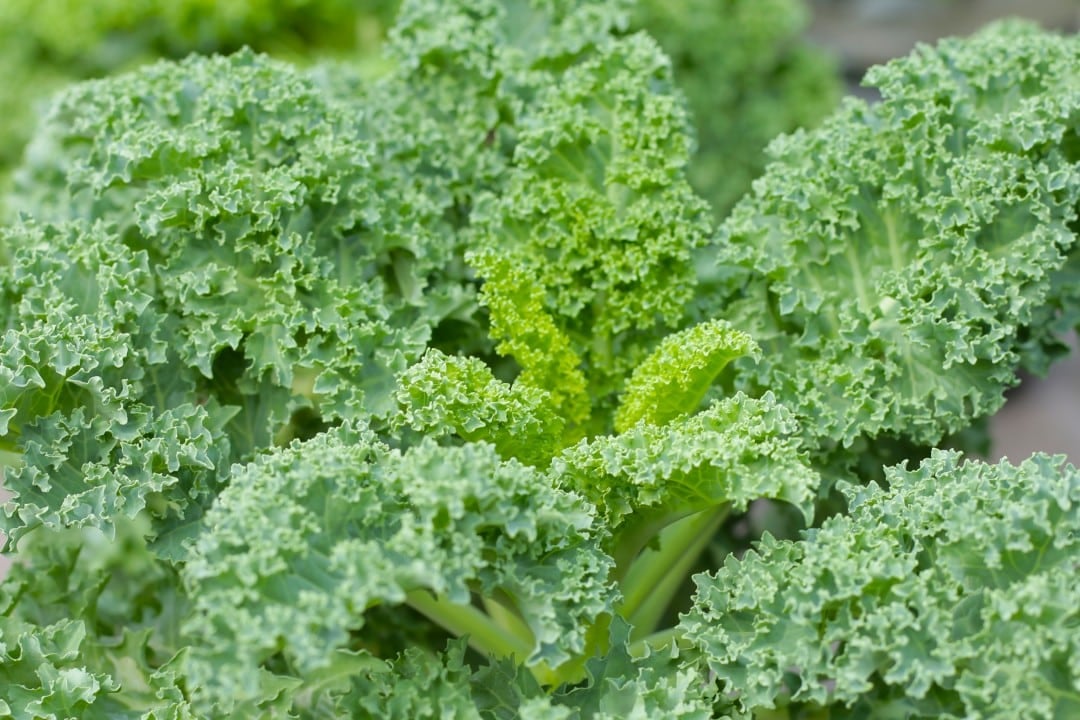
White cabbage, an essential vegetable in many Brazilian cuisines and vegetable gardens, requires special attention when planting to ensure a plentiful and quality harvest. Seja for preparing soups, winter preserves or fresh dishes, choosing the correct time and method for sowing the seedlings is crucial to success. Março marks the ideal period to begin this journey, according to guidance from experienced gardeners.
To help gardening enthusiasts, expert Svetlana Samoylova, with 30 years of experience and author of the book “Not Apenas an Recommendations range from variety selection to protection against adverse weather conditions, offering a complete guide for producers of all levels.
Planning is crucial, and understanding the nature of each type of white cabbage is the first step. Varieties are categorized mainly by their development cycle, directly influencing the sowing time and subsequent care for each type of planting, whether for quick consumption or prolonged storage.
Deciphering White Cabbage Varieties for Planting Success
White cabbage is broadly divided into early and late varieties, each with specific purposes. Early varieties are cultivated with early consumption in mind, allowing the fresh vegetable to be available at the beginning of summer, ideal for quick and tasty recipes. “Iyunskaya”, a classic of the genre, stands out for its rapid maturation and tender, juicy leaves, perfect for harvesting at the end of June.
On the other hand, late varieties are more suitable for winter storage and canning, ensuring that the vegetable can be enjoyed for longer. Entre reliable options, “Slava” is praised for both fresh and preserved consumption, while the modern “Kupchikha” stands out for its excellent durability and formation of dense heads. Para mid-season crops, “Podarok” and “Nadezhda” are versatile and can be stored until the middle of winter. If the objective is to preserve the cabbage until the following spring, “Amager” and “Kolobok” are the most recommended, maintaining freshness until April or May with adequate storage.
When purchasing seeds, origin is an essential factor. It is advisable to buy from reputable companies, checking the packaging to ensure it is intact, with clear markings and no signs of moisture. Antes of planting, a visual inspection of the seeds is recommended to ensure that they are healthy, with the normal color of the crop, not swollen and free of mold, contributing significantly to successful germination and the development of robust plants.
Home Growing Challenges: Why Avoid Sowing Kale Indoors
Muitos gardeners, out of habit, try to sow different crops on the windowsill, but white cabbage has particularities that make this practice inadvisable. Svetlana Samoylova is emphatic in warning against sowing cabbage seedlings indoors, as they tend to become etiolated and suffer from excessive heat, compromising development.
The ideal temperature for cabbage seedlings varies between 8 and 12 degrees Celsius, a range that is rarely achieved in apartments with central heating. Além In addition, good ventilation and the absence of nearby heat sources are crucial. The expert explains that, even on glassed-in balconies, the temperature can be excessively high, especially if they are not facing north, causing the seedlings to get sick and wilt.
The only viable alternative for growing cabbage seedlings at home, according to the gardener, would be on a north-facing balcony, requiring ventilation and constant temperature monitoring. Essa condição específica visa replicar o ambiente mais fresco e arejado que a couve necessita para um desenvolvimento saudável, evitando o estiolamento e as doenças causadas pelo calor e umidade em excesso.
Strategies for effective planting in greenhouses or protected beds
The most efficient way to obtain strong and vigorous kale seedlings is to sow them directly in a greenhouse or in a seedbed covered with plastic. Essa practice provides ideal natural conditions of temperature and humidity, essential for the initial growth of the plant. By using these controlled environments, gardeners are able to protect seeds and young seedlings from sudden climate changes typical of spring.
Svetlana Esse timing allows the seedlings to develop at the right time for transplanting, guaranteeing fresh white cabbage as early as June. The expert also mentions that Brussels sprouts, which have a long period of seedling growth, can also be sown at the same time.
For other cabbage varieties, including late white cabbage, sowing in a greenhouse is recommended between May 1st and 10th. Essa planting window ensures that seedlings develop the resilience necessary to establish quickly and grow vigorously after transplanting into open ground. The protected environment of the greenhouse serves as an ideal nursery, promoting a robust start in life for plants.
This planting methodology in greenhouses or covered beds not only optimizes seedling growth, but also offers a higher production success rate. Controlled conditions minimize the risk of diseases and pests in the early stages, contributing to a more abundant and better quality harvest, as well as facilitating maintenance and care during the most delicate period of kale development.
Ideal dates for planting cabbage seedlings: a regional guide
The ideal dates for sowing kale vary significantly according to the region and its climatic particularities. Para areas with a temperate climate, the recommended period for sowing early cabbage in a greenhouse is March 25th to 30th. Já late varieties should be planted between May 1st and 10th, taking advantage of warmer soil and more stable conditions.
In regions where spring arrives a little later, such as in the Urais, early cabbage can be sown from March 20th to 25th, and late cabbage can be sown from May 5th to 15th. Na Sibéria, an even more rigorous climate, early varieties are sown between March 15th and 20th, and late varieties, from May 1st to 10th, adapting to the cycles of soil thawing and environmental warming.
However, there is a more simplified approach that does not require precise calculations. Expert Svetlana Samoylova states that “seeds know exactly when they need to germinate.” Segundo her, it is possible to sow kale in a greenhouse on the first warm days, as the soil will thaw to a depth of 1 to 2 centimeters, and the seeds will germinate when the weather conditions are suitable. Este method offers convenience, eliminating the need for specific trips for planting.
Lunar influence on cabbage planting: favorable days in March
Para those who follow the lunar calendar in agriculture, March 2026 presents specific periods that are considered most suitable for planting cabbage. According to astrologer and gardener Svetlana Samoylova, the favorable days for sowing cabbage seedlings begin after March 20, aligning with the waxing moon phase. Essa lunar phase is traditionally seen as a period of rising energy, ideal for the growth of plants that develop above the ground, such as kale.
Specifically, the 22nd, 23rd, 26th, 27th and 30th of March are considered particularly favorable for planting cabbage, when the gravitational influence of the moon is considered beneficial for the germination and vigor of the seedlings. On the other hand, it is advisable to avoid planting between March 1st and 6th, when the moon is waning, which is more suitable for planting roots or pruning activities. Da Likewise, the 14th of March, the day of the full moon, and the 28th and 29th of March, when the moon is in signs unfavorable for cabbage growth, should be avoided to ensure the best development of the plants.
Frost protection and transplanting into open ground
The unpredictability of spring weather, with the occurrence of recurrent frosts, requires protective measures, especially in colder regions. Para protect the cabbage seedlings in the greenhouse, Svetlana Samoylova’s recommendation is to add extra arches and cover them with non-woven material in case of more intense frosts. Essa additional layer of protection helps maintain a more stable internal temperature, minimizing damage caused by the cold.
It is important to highlight that kale is a relatively cold-resistant crop, capable of withstanding temperatures of up to -2 to -3 degrees Celsius in protected locations. Portanto, even if a frost occurs after sowing, there is no cause for great concern. The seedlings tend to germinate and continue their development as soon as the weather warms up, demonstrating the plant’s resilience in adverse conditions.
Transplant management and adequate spacing
Early white cabbage, sown in March, is usually transplanted into the vegetable garden in May, as soon as the risk of more severe frosts has reduced. If low temperatures persist, the seedlings can be temporarily transplanted to a protected location, as kale tolerates this temporary shelter well. Essa strategy ensures that, by the end of the second half of June, the fresh cabbage heads will be ready for the table, providing an agile and satisfactory harvest.
A crucial aspect is to avoid over-planting seedlings in the greenhouse. Cabbage should be sown a maximum of one month before transplanting into the final soil. A rule of thumb to determine the ideal time for transplanting is to observe the development of the seedlings: when they have two to three true leaves, they will be ready to be moved. When transplanting, it is essential to follow the appropriate spacing pattern for each variety. Early varieties can be planted closer together, about 30×40 cm apart. Mid-season varieties require more space, approximately 50×50 cm, while late varieties require a larger spacing, 60×70 cm, to allow the free development of their large heads.
Soil preparation and initial care for cabbage seedlings
Soil quality is a determining factor in the success of cabbage cultivation, even when planting in greenhouses. The ideal substrate for seedlings must be loose, rich in nutrients, and have good permeability for air and water, avoiding excessive accumulation that can harm the roots. Good drainage is essential to prevent rot and fungal diseases.
Adding wood ash is a highly recommended practice, as cabbage benefits greatly from this component, which also offers additional protection against diseases such as blackleg. Sugere-incorporate at least one cup of ash per square meter of the bed, mixing it well with the soil. Quanto when sowing, cabbage seeds are generally planted dry, without the need for pre-soaking. Elas devem ser dispostas em sulcos de 1 a 2 centímetros de profundidade, com um espaçamento de 2 a 3 centímetros entre si, cobertas com terra e levemente compactadas para garantir bom contato.
It is vital, however, to be cautious about overwatering. Svetlana Samoylova warns not to over-moisten the seedlings, as excess water creates an environment conducive to the development of blackleg and other fungal pathologies. Irrigation balance is the key to healthy growth and the prevention of common problems that can compromise the entire crop.
Crop rotation and nutrition for a robust harvest
Escolher the correct location for planting kale outdoors is as crucial as managing the seedlings. Kale, belonging to the cruciferous family, has specific crop rotation rules that must be respected to avoid soil exhaustion and the spread of diseases. It is essential that kale is not planted after other crucifers, such as radishes, cauliflower or broccoli, as these crops share pathogens and nutrients.
Ideally, kale grows well after most other crops, but it should never be replanted in the same location for three to four years. Essa pause allows the soil to recover and harmful microorganisms specific to the cruciferous family to decrease. Para to ensure an abundant harvest, Samoylova suggests generously enriching the bed with organic matter, adding a bucket of humus or compost and a cup of ash for each square meter.
After transplanting, the seedlings must be watered every 3-5 days, with 2 to 3 liters of water per plant. Duas weeks after planting, it is recommended to apply the first nitrogen fertilizer to stimulate leaf growth. A month later, a complex fertilizer should be used. Finalmente, after another month and a half, when the cabbage heads begin to form, it is time to apply a fertilizer rich in phosphorus and potassium to promote fruit development and plant resistance. Não you can forget about pest control, as kale is a common target for aphids, caterpillars and flea beetles. Polvilhar ash or tobacco dust regularly and resorting to biological treatments in cases of severe infestation are effective measures to protect the plantation.



