
Funbox launches silicone bag in the shape of a PlayStation DUALSHOCK controller in March 2026

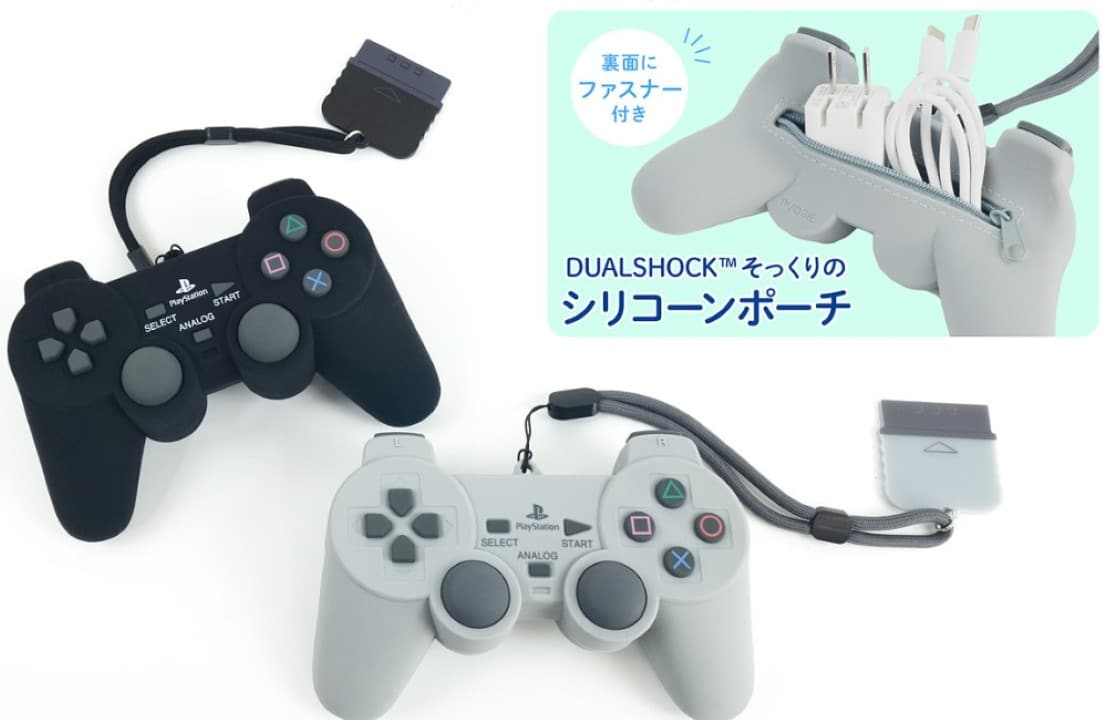
Utility products manufacturer Funbox announced the arrival of a new line of silicone cases that faithfully reproduce the design of the classic Sony video game controller. The product hits the retail market from March 17, 2026, with gradual distribution in several physical points of sale and e-commerce platforms focused on pop culture.
The item was developed to function both as a practical accessory for storing small objects in everyday life and as a collector’s piece for technology enthusiasts. The initiative seeks to capture the attention of consumers who experienced the first generations of home consoles and are now looking for official licensed items.
Marketing will cover a wide distribution network, ensuring that the public can easily find the item in the main capitals and metropolitan regions. The company confirmed that logistical planning includes continuous supply of shelves throughout the first half of the current year.
Official prices and distribution locations for the new product
The suggested value for the case in control format was set at 2,178 yen, an amount that already includes local tax rates applicable to the retail of consumer goods. The price positioning aims to make the item accessible to a wide audience, from young students who need school cases to adults looking for themed items for office decoration or daily personal use.
Consumers will be able to purchase the new product in large stationery stores, bookstores specializing in comics, electronics stores and variety departments. The manufacturer will also make the entire stock available through its official internet sales platform, known as Loja Amuse, facilitating access for buyers who live in areas far from large shopping centers.
Detailed design and fidelity to the classic accessory
The engineering design of the case required rigorous three-dimensional mapping to replicate the exact dimensions and ergonomic lines of the original equipment launched in the nineties. The flexible silicone structure maintains the characteristic curvature of the side handles, providing the same tactile sensation that has marked generations of arcade and home video game users around the world.
The industrial development team did not limit reproduction to just the external shape of the original plastic object. The iconic action buttons, represented by the geometric shapes of triangle, circle, cross and square, were carved into the surface of the material with millimeter precision, maintaining the exact relief, texture and spacing approved by the original hardware manufacturer.
To complement the realistic aesthetic demanded by the most rigorous collectors, the accessory features a zipper whose metal rod was molded in the shape of the old controller’s connection plug. Além In addition, a reinforced side handle accompanies the product, visually simulating the rubberized cable that connected the peripheral to the main device in the players’ living room.
Color options based on historic equipment
The launch strategy prepared by the marketing team includes offering the product in two different chromatic variations, chosen based on the hardware history of the partner brand. The first option presents a shade of matte light gray, a color identical to that used in the plastic injection of the first entertainment device officially launched on the global market.
The second alternative hits shelves in solid black, making a direct reference to the second generation model, which became the best-selling electronic entertainment equipment in the history of the industry. Essa color division allows the buyer to choose the version that best aligns with their personal memories and the aesthetics of their current equipment.
Experts in niche retail point out that the offer of multiple colors encourages double purchases by collectors more dedicated to historical preservation. The visual diversification tactic is a common and highly profitable practice in the licensed products segment, as it maximizes revenue potential in stores without the need to change manufacturing molds in factories.
The high-density silicone material used to inject the colors is chemically treated against fading by ultraviolet rays and excessive accumulation of static dust. Essa rigorous technical specification ensures that the gray and black tones maintain their original vibrancy even after months of constant handling inside backpacks, carrying bags or display on illuminated shelves.
Return of the bag inspired by the shape of the first console
Taking advantage of the logistical movement and digital engagement generated by the announcement of the new case, the manufacturer confirmed the relaunch of another hugely successful item from its retro catalog: the silicone bag molded to the exact shape of the first console in the line. Este specific product had quickly sold out during its first commercial run, generating significant pent-up demand on specialized discussion forums and social networks focused on collecting technology items. The return to physical and virtual stores is scheduled for the end of March 2026, creating a simultaneous and strategic sales window with the new launch of the control.
The stipulated retail value for this console-shaped bag will be 1,540 yen, also with all taxes on the circulation of goods included in the final price passed on to the consumer. The difference in cost in relation to the model in control format directly reflects the complexity of the industrial molds and the amount of rubberized material used in the casting of each part. Lojistas from the pop culture sector predict that the joint availability of the two items on the same shelves will result in a substantial increase in the average purchase ticket, as many customers tend to purchase the complete set for joint display on themed home shelves.
The manufacturer’s expansion strategy in the utility market
Funbox has consolidated its presence in the competitive Asian market by operating under the fundamental corporate principle of developing items that generate immediate positive reactions from consumers, strictly guiding all stages of planning, product design and logistical distribution. The corporation does not restrict its assembly line to traditional stationery items or low-cost generic plastic containers, but is actively involved in creating its own brands with high visual appeal, such as the popular DECO Choco line, which mixes the colorful aesthetics of confectionery with the daily usefulness of office supplies. The executive management’s business vision focuses on moving beyond the simple manufacturing of storage containers, seeking to deliver a complete tactile and visual experience that justifies impulse purchasing in high-traffic physical retail environments. Essa operational guideline of constant innovation has driven the company to aggressively explore new commercial niches, allowing safe expansion into the casual clothing and premium housewares sectors, always maintaining the factory agility necessary to adapt its production lines to consumer trends that emerge rapidly in the digital environment and contemporary pop culture.
Impact of digital culture on accessory development
The massive influence of digital entertainment has radically transformed the way traditional consumer goods companies design and approve their annual product catalogs. Itens that previously only fulfilled basic school or home storage functions now must carry licensed visual identity elements that speak directly to the hobbies and lifestyle of the modern urban buyer.
Added value to the consumer’s shopping experience
The transformation of a discontinued electronic peripheral into an object of daily use perfectly exemplifies the addition of commercial value through design focused on affective memory. The contemporary consumer demonstrates an increasing financial willingness to invest in utilitarian items that offer a direct and tangible connection to significant elements of their personal journey in media consumption.
The technical choice of superior grade soft silicone as the main raw material directly contributes to this high value perception at the point of sale. The texture of the material, combined with the precise visual details approved by the brand holders, creates a final product that transcends the category of a simple school pencil case, firmly positioning itself as a utilitarian fashion accessory and a tool for expressing cultural identity.




