
Galaxy S26 Ultra faces criticism for lack of high PWM and in-display eye care features

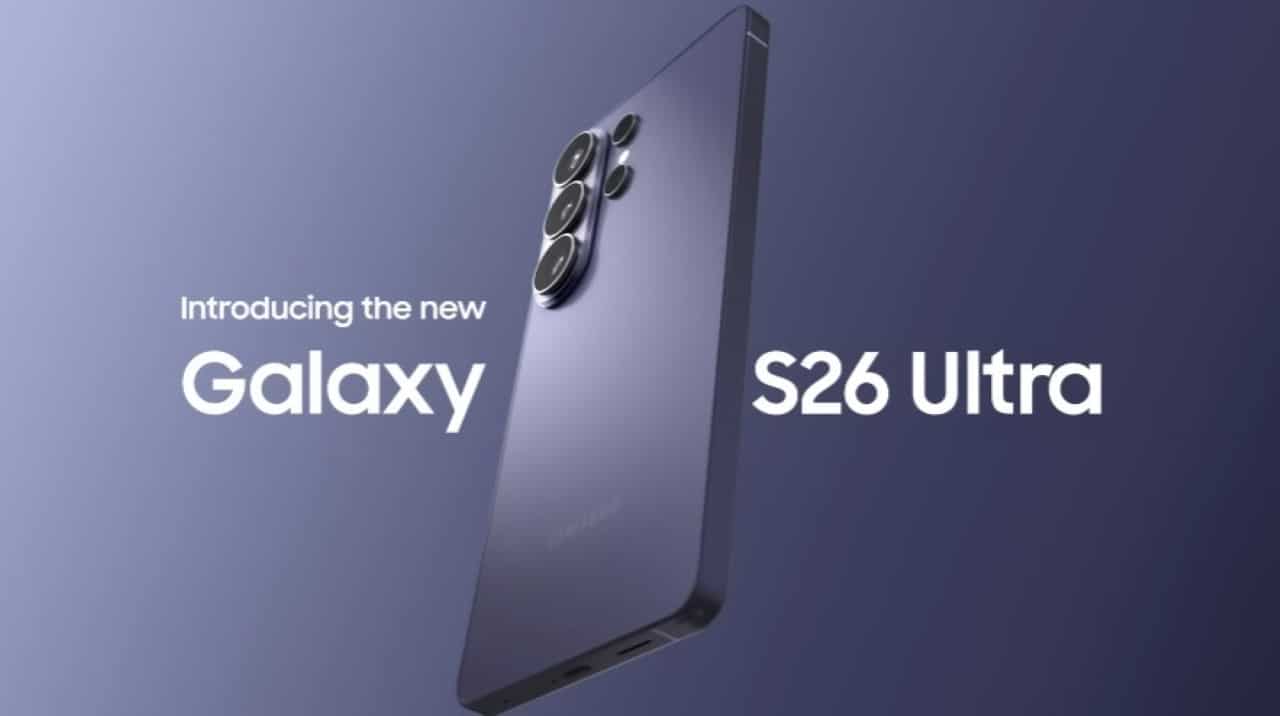
The Galaxy S26 series of Samsung, especially the Ultra model, has received reports of visual discomfort among users. The main point of discussion involves the continuous use of low-frequency PWM dimming, which controls the brightness of the OLED screen through rapid pulses of light. Muitos consumers sensitive to this mechanism report eye fatigue, headaches and nausea after prolonged use, especially at lower light levels.
The company confirmed that the S26 line maintains the same dimming behavior as previous models. Não There is no higher frequency implementation of PWM nor flicker reduction options or DC dimming-like modes. Essa decision occurs despite the introduction of Privacy Display in Ultra, a feature that adjusts viewing angles for greater privacy, but does not change the brightness control method.
Criticisms of persistent PWM dimming
Users highlight that the 480Hz frequency in the S26 series PWM remains low compared to competitors. Fabricantes like Honor and OnePlus adopt rates above 2000Hz in recent models, which significantly reduces noticeable flickering effects. The lack of adjustments on the Galaxy S26 leaves some of the public with limited options to mitigate discomfort.
Reports on forums and communities indicate that the problem intensifies in environments with little external light. Subconscious flickering can affect ocular nerves, even without conscious awareness of the blinking. The Samsung prioritized other display innovations, but did not include accessible improvements to visual sensitivity.
Comparison with competitor technologies
Models from rival brands incorporate high-frequency PWM or hybrids with DC dimming. Dispositivos from Xiaomi and Realme offer anti-flicker modes via software, allowing greater comfort in prolonged use. Esses features meet growing demands for more eye-friendly displays, especially on premium flagships.
The persistence of 480Hz in the Galaxy S26 line contrasts with advances in mid- and high-range devices. Usuários sensitive people often resort to testing in stores before purchasing. The general recommendation is to evaluate the device in person at reduced brightness to check individual reactions.
Impact of Privacy Display on visual comfort
The new Privacy Display of the Galaxy S26 Ultra changes pixel output to restrict side viewing. Esse integrated hardware does not modify PWM rate or modulation. Alguns users note that activating the feature may intensify feelings of fatigue due to reduced effective brightness and subpixel arrangement.
Independent testing confirms that dimming remains uniform across all brightness levels. The absence of toggles for fine adjustments limits customizations. Consumidores affected people seek alternatives in other ecosystems that prioritize high frequencies since launch.
Existing Resources to Mitigate Discomfort
The Samsung offers the Eye Comfort Shield, which warms screen tones and reduces blue light at scheduled times. Esse mode helps with nighttime use, but does not directly address PWM flickering. Ajustes manual brightness and extra dim activation may alleviate symptoms for some, although it does not resolve the root cause.
Other accessibility settings include color filters and automatic brightness thresholds. Esses features provide partial relief in everyday scenarios. Usuários with greater sensitivity still report significant limitations in prolonged daily use.
Recommendations for sensitive users
People prone to visual discomfort should test the Galaxy S26 under real-world conditions before purchasing. Ambientes with controlled lighting better reveal the impact of PWM at low brightness. Alternativas with PWM above 1000Hz or DC dimming offer more comfortable experiences.
The industry advances in flicker-free and high frequency certifications. Marcas competitors already integrate these technologies into complete lines. Device choice depends on individual priorities between privacy innovation and long-term eye comfort.



