
GameStop classifies PS3, Xbox 360 and Wii U consoles as retro and launches special trade-in bonus

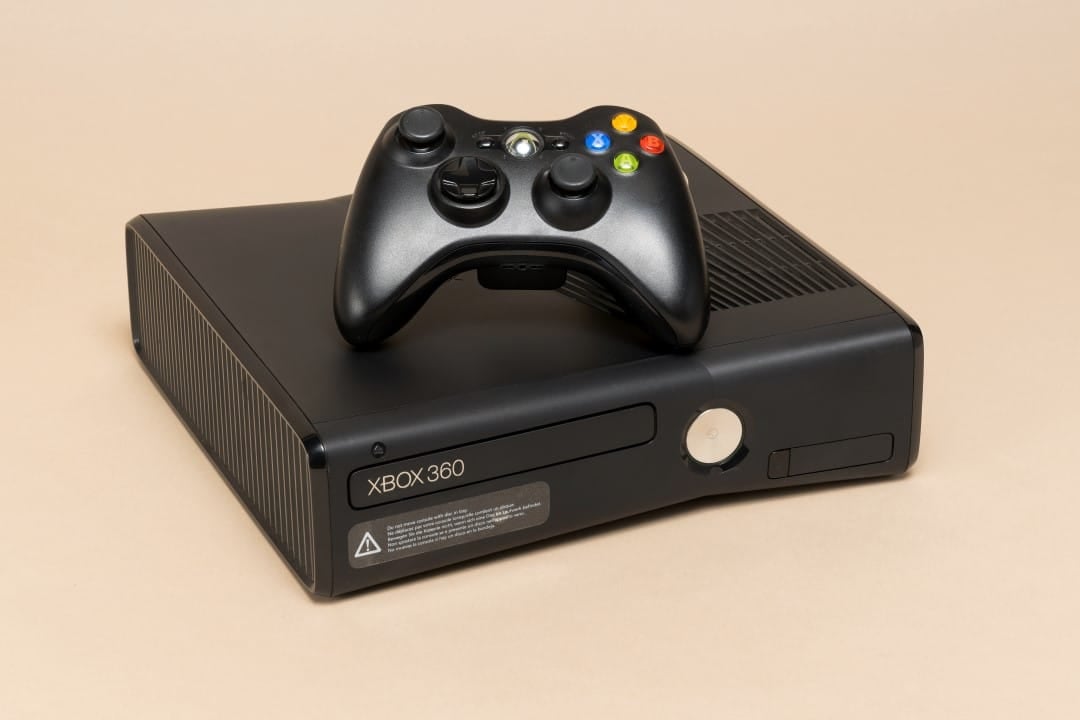
Video game retailer GameStop has announced an update to its secondary market policies, officially reclassifying the PlayStation 3, Xbox 360 and Wii U consoles into the retro product category. The measure redefines the status of these devices in international retail and establishes new guidelines for the purchase and sale of equipment from past generations, boosting the used electronics sector and the collectors niche.
The strategic change aims to boost the company’s exchange sector, offering direct financial incentives for consumers to take their old devices to physical stores. The initiative seeks to renew the company’s stocks at a time when the search for physical media and original hardware is constantly growing among technology enthusiasts.
The reclassification program establishes specific criteria for the acceptance of devices in retail chain units, aiming to facilitate the process for the end consumer:
– Aceitação of consoles with aesthetic defects or absence of original cables and controls.
– Necessidade basic requirement that the device can, at a minimum, connect to be eligible for the program.
– Inclusão of a percentage bonus on the final appraisal value of the equipment delivered.
– Immediate Integração of items to the classic product catalog for subsequent reconditioning.
The decision reflects the natural aging of hardware and the market’s definitive transition to contemporary platforms focused on cloud processing and ultra-realistic resolutions. The move marks a significant technological departure from the original launch of these systems, formalizing the end of their primary commercial eras.
Impact on the used car market and financial incentives
To encourage immediate adoption of the new format, the retailer implemented an exchange bonus aimed exclusively at owners of these specific systems. Customers receive a 10% increase in store credit when they drop off any of the three aforementioned consoles, as well as physical games and accessories compatible with these platforms.
The credit generated in transactions can be used to purchase new generation hardware, software launches or other products from the company’s current catalog. The relaxation of acceptance rules allows even damaged units to be converted into purchase value, reducing barriers for customers looking to empty their closets and upgrade their entertainment equipment.
Classification criteria and technological evolution
Categorization as a historical item is based on technological indicators that highlight the lag of devices in relation to current development standards. The presence of component video outputs, an analog image transmission technology largely surpassed by the high-resolution HDMI standard, was one of the technical factors cited to justify the change in status in the store’s system.
Another determining element for reclassification is the structural incompatibility with continuous service software that dominates the current digital entertainment industry. The lack of support for extremely popular global titles, which require constant updates and robust servers, highlights the limited processing, memory and network connectivity of these older machines.
These consoles now share space on the virtual and physical shelves of the classic category with systems from even older generations, such as the Sega Saturn and the Nintendo DS. The formal inclusion in this list consolidates the transition of these hardware from mass consumer products to artifacts of historical interest and technological preservation.
Historical context of industry launches
The Xbox 360 arrived on the retail market in November 2005, ushering in the seventh generation of consoles with an unprecedented focus on online connectivity, user profiles and a unified system of digital achievements. The Microsoft system laid the fundamental foundations for the format of player networks and virtual stores that operate as industry standards to this day.
The following year, in November 2006, the PlayStation 3 was made available to the public by Sony, introducing the high-capacity Blu-ray physical media format and complex architecture Cell processors. The device represented a massive leap in data storage capacity and graphic quality, allowing the development of denser cinematic narratives.
The Wii U, in turn, was launched by the Nintendo in November 2012. The equipment functioned as a technological bridge in the market, introducing the concept of asymmetric gameplay through a robust control with a built-in touch screen, a design concept that would later directly influence the creation of successful hybrid platforms.
The temporal distance between the original launch of these hardware and the current moment consolidates the perception of aging of the technology used in their constructions. The period encompasses multiple software architecture transitions, the rise of mobile devices, and profound changes in players’ media consumption and distribution behavior on a global scale.
Audience reactions and digital engagement
The announcement of the reclassification generated strong movement on digital platforms, with consumers expressing surprise at the rapid passage of time and the obsolescence of their equipment. The company’s communication, which used a direct tone about the aging customer base that grew with these systems, resulted in a high volume of interactions, shares and discussions about preserving the history of video games. Usuários recounted their past experiences, debated the cultural value of the games that defined the seventh and eighth generations, and compared the technical specifications of the past with the demands of contemporary graphics engines.
The communication strategy proved to be highly effective for organic brand engagement in the online environment, generating visibility without additional marketing costs. By tapping into the emotional memory of consumers, the retailer was able to promote its exchange program in a natural way and widely publicized by users themselves. The debate generated around the nomenclature attributed to the devices kept the company’s name in evidence in specialized discussion forums and on wide-reaching social networks, driving direct traffic to used product evaluation pages and price quotes on the company’s official website.
Sustainability and the hardware lifecycle
The policy of accepting devices with aesthetic defects or partial functional failures places the retailer’s initiative in a much broader context of sustainability and circular economy within the global technology sector. Instead of being discarded irregularly in landfills, where chemical components, difficult-to-degrade plastics and heavy metals could cause severe environmental damage, these consoles are reintroduced into the production chain in a structured manner. The company has the technical infrastructure to recondition viable units, replacing worn parts, applying new thermal pastes and sanitizing equipment for resale with warranty. Aparelhos that do not present any possibility of safe repair are dismantled by specialized teams, and their internal components, such as optical disc readers, power supplies, memory modules and network cards, are rigorously cataloged and used as authentic spare parts to restore other machines. Esse logistical process significantly extends the useful life of hardware manufactured more than a decade ago, meets the growing demand from collectors looking for original parts to maintain their own home systems, and establishes a highly profitable business model based on the recovery of technological assets that would otherwise be considered irrecoverable electronic waste by standard disposal rules.
The future of physical media preservation
The movement of retail around these systems reinforces the vital importance of the secondary market in preserving access to game libraries that are not available in contemporary digital formats. Continuous maintenance of original hardware ensures that the cultural heritage of electronic entertainment remains functional and accessible for research, archiving and consumption by new generations of gamers.



