Huawei designs HarmonyOS app parity with Android and iOS boosting ecosystem by April
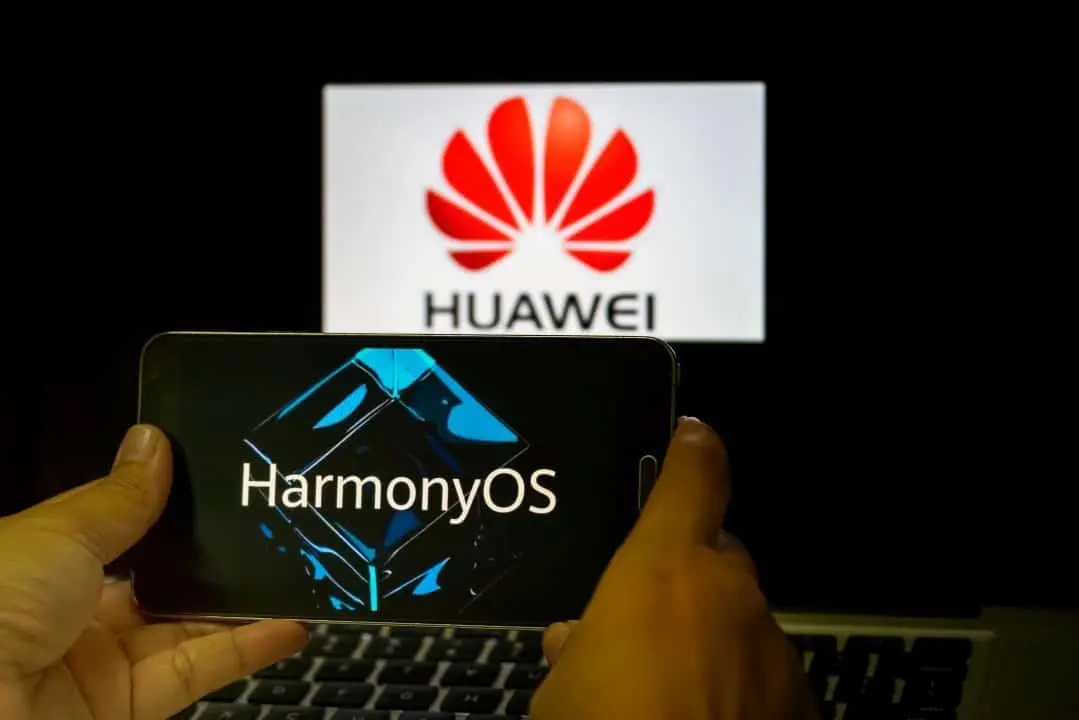
Huawei, a Chinese technology giant, recently announced that applications for its operating system, HarmonyOS, will reach the same level of maturity and functionality as those found in Android and iOS by next April. The statement was made by Richard Yu, president of Huawei Consumer Business and president of Comitê of Revisão of Investimentos in Produtos of the brand, indicating a significant milestone for the platform.
The company’s promise is to deliver even more fluid, intuitive software that offers greater convenience to users. The main objective is to guarantee the same degree of compatibility and experience seen on the platforms developed by Google and Apple, consolidating HarmonyOS as a robust competitor in the global scenario of mobile operating systems.
Recently, Huawei has intensified the development of its native applications, focusing on more agile and secure navigation. The company even mentioned that several of these solutions already surpassed in efficiency some alternatives available in Android, demonstrating the commitment to improving the user experience.
HarmonyOS evolution and security
The HarmonyOS system has undergone a series of updates focused on improving the user experience, making the interface cleaner and operation safer. One of the points highlighted by Huawei is the inclusion of robust anti-fraud features, which use intelligent detection to protect users, especially the elderly, against possible digital scams.
These continuous improvements and commitment to security provide Huawei with greater confidence in launching new products and services. The company has invested heavily in research and development to ensure that its ecosystem not only functions seamlessly but also offers a protected digital environment. The priority on intelligent detection and fraud prevention underlines the company’s proactive approach to consumer protection.
More on this story: WhatsApp will stop working on Android 5.0 and 5.1 from September 2026
The strategy aims not only to equalize the quality of applications, but also to build a solid foundation of trust. By emphasizing security and fluidity, Huawei seeks to attract more developers and users to its platform, creating a virtuous cycle of growth and innovation. The robustness of the system is seen as an essential competitive differentiator in this saturated market.
Competitiveness in the application market
The statement of Richard Yu positions HarmonyOS at a level of direct competition with dominant operating systems. Superar the challenges and expectations of users and developers are crucial for the global expansion of the platform. With this ambitious goal, Huawei seeks to solidify its presence and offer a viable and innovative alternative in the mobile technology market.
The race for app parity is not just about functionality, but also about volume and diversity. To compete effectively, HarmonyOS needs to ensure that its users have access to a rich and varied software ecosystem that meets all needs, from productivity tools to entertainment and communication. Isso requires a collaborative effort with the developer community.
On the same topic: New Apple system update optimizes urgent task management for iPhone users
The current mobile technology landscape is highly competitive, with users accustomed to a wide range of options. Huawei understands that the quality and quantity of applications are determining factors when choosing an operating system. Portanto, focusing on achieving parity with Android and iOS is a key strategy to capture a larger share of the market and sustain the growth of your user base.
See Also


Expansion of the ecosystem and hardware
In addition to the promises of immediate improvements to the software ecosystem, Huawei also guaranteed that new improvements will reach the device models already launched. Embora the company has not specified exactly which models or the nature of the updates, this news is important for consumers who already use the brand’s products.
- Software enhancements for existing devices.
- Focus on performance optimization and new features.
- Continuous support for HarmonyOS platform users.
At the same time, Huawei continues to invest in hardware innovation. Recent Exemplos include the launch of products such as the Huawei Wi-Fi Esses releases demonstrate the company’s integrated approach, combining robust software with cutting-edge hardware.
Sales projections and goals
The company has set an ambitious sales target for the near future. Huawei intends to reach the mark of 53 million units sold of its devices equipped with HarmonyOS by the year 2026. Essa projection reflects the company’s confidence in its operating system and its ability to recover and grow in the global market.
Learn more: WhatsApp tests new online contacts section on Android with centralized hub
Reaching this sales target would mean an even greater consolidation of HarmonyOS as a relevant player in the industry. The volume of devices sold is a key indicator of market acceptance and the effectiveness of the company’s development and marketing strategies. Expanding the installed user base is vital to attract more developers and, consequently, further enrich the application ecosystem.
The success in reaching 53 million units represents not only a commercial triumph, but also a validation of the Huawei business model, which has adapted to the challenging conditions imposed in recent years. Resilience and innovation are pillars that support this optimistic projection. The company bets on perfect integration between hardware and software to win consumer preference.
Challenges and the future of the platform
While Huawei’s promises are bold, the path to full parity with Android and iOS presents considerable challenges. Engaging third-party developers, overcoming cultural barriers, and gaining the trust of users outside of China are crucial steps. However, the company’s rapid pace of development indicates a strong determination to achieve its goals and establish HarmonyOS as a lasting force in the global technology market.
The commitment to continuous innovation and offering a differentiated user experience will be fundamental for Huawei in the competitive landscape of mobile operating systems. The company not only seeks to match, but potentially surpass its competitors in areas such as security, device integration and efficiency. Este ambitious positioning could redefine part of the market in the coming years, offering consumers more quality options and advanced features.
Huawei’s strategy with HarmonyOS reflects a long-term vision for a connected ecosystem. Device integration, from smartphones and tablets to wearables and smart home systems, is a central pillar. The promise of application parity is a vital step towards building a comprehensive and compelling platform that can compete on an equal footing and eventually deliver innovations that transcend current market expectations.