
Joe Kent, director of the NCTC resigns from his position in protest against possible military conflict with Iran in the Middle East

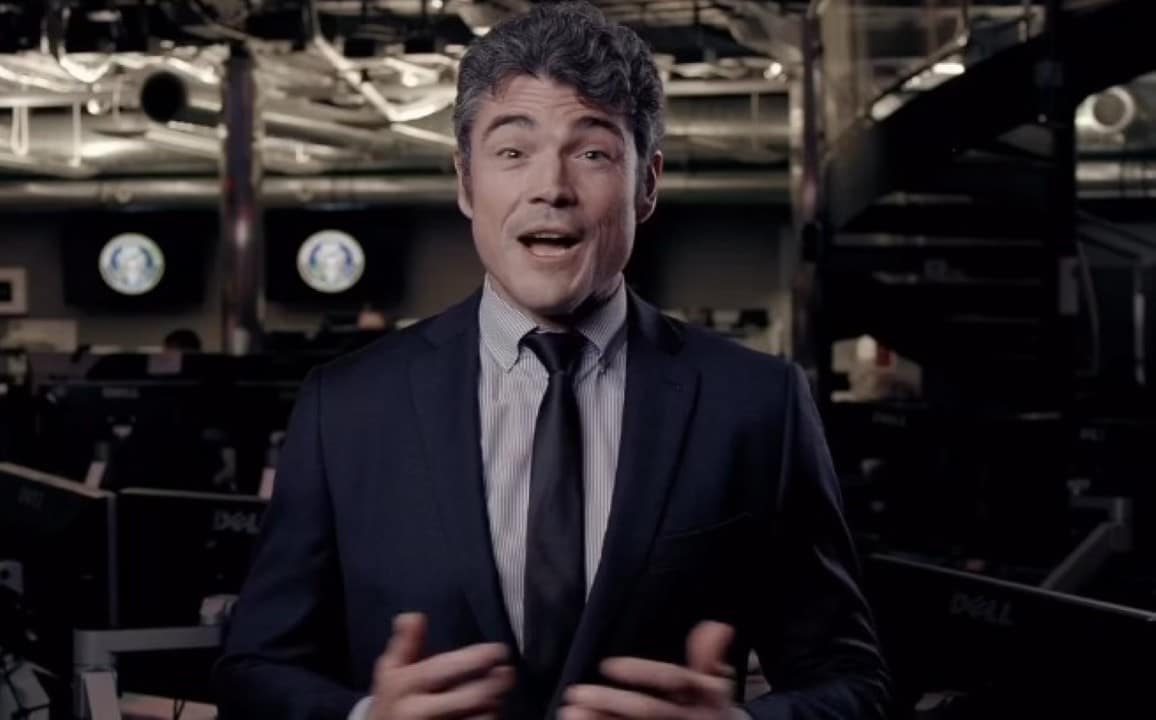
A senior official from the Estados Unidos government formalized his departure from office amid deep disagreements over the conduct of foreign policy in the Oriente Médio. Joe Kent, a central figure in Centro Nacional of Contraterrorismo, handed in his letter of resignation as a form of direct opposition to a potential military offensive against Iranian territory. The decision exposes significant fractures in the country’s national security mechanisms and reveals the behind-the-scenes of a divided management.
The former director based his departure on the absence of concrete evidence that would justify immediate military action. Avaliações internal intelligence, to which the employee had direct access, did not indicate any imminent danger to American interests or national territory. The aggressive stance adopted by sectors of the administration was classified as a response to external pressure, and not to facts validated by government spy agencies.
The resignation represents a milestone in the current government dynamics, being the first time that a high-ranking advisor has publicly abandoned his duties for this specific reason. The movement raises questions about the autonomy of strategic decisions taken in Washington and the influence of allied nations in formulating military guidelines that could result in large-scale conflicts in the Asian region.
Internal disagreements and security doctrine
The advisor’s departure highlights a direct conflict with the philosophy of military intervention adopted by specific wings of the government. Defensores of a more cautious approach argue that the country must strictly prioritize its domestic interests, avoiding involvement in foreign conflicts that do not present direct and unquestionable risks. Essa isolationist vision gains strength in the face of crises manufactured by political narratives and diplomatic pressure.
Documents and risk analyzes prepared by counterterrorism teams pointed to a scenario of relative stability in relation to direct threats originating in the Persian country. The insistence on maintaining belligerent rhetoric, contrary to technical reports, generated an environment of widespread dissatisfaction among career analysts. The prioritization of political agendas over concrete facts has become the main point of friction at summit meetings.
Criticisms formulated during the dismissal process point to the influence of regional actors, with specific mentions of pressure exerted by allies in the Oriente Médio. The central allegation is that the American war machine is being directed to serve the interests of third parties, compromising the sovereignty of decisions taken in the military Salão Oval and Pentágono.
This scenario of mistrust directly affects the morale of intelligence teams, who see their technical work being ignored in favor of ideological alignments. The refusal to endorse a war based on fragile premises demonstrates an ethical and professional limit reached by members of the highest leadership of American national security.
Strategic role of the intelligence agency
The Centro Nacional of Contraterrorismo acts as the main security data integration core of the Estados Unidos. Criada To avoid communication gaps between different government departments, the agency consolidates information from various sources to form an accurate overview of hostile movements globally and guide Forças Armadas.
The effectiveness of this organization fundamentally depends on the impartiality of its assessments and the ability to resist political interference. Quando a director of this magnitude decides to leave his post, the credibility of the country’s entire early warning system begins to be questioned by legislators and the international community that follows diplomatic developments.
Criteria for international risk assessment
The process of identifying imminent dangers requires rigorous analysis of communications intercepts, troop movements, and declared intentions of foreign governments. The absence of any of these factors weakens the legal and moral justification for the initiation of hostilities. In the Iranian case, technical reports did not support the narrative of military urgency propagated by some spokespeople.
The discrepancy between official discourse and intelligence data raises doubts about the existence of a real consensus among federal agencies. The manipulation of sensitive information to justify military campaigns refers to historical errors committed in past interventions in the Oriente Médio, increasing caution among professionals in the defense sector.
Transparency in the use of this information becomes a vital element in maintaining public and parliamentary support. Sem the proof of a clear threat, the mobilization of financial and human resources for a new theater of operations faces strong institutional and popular resistance in the country’s main cities.
History of diplomatic relations in the region
Interactions between Washington and Teerã are characterized by decades of mutual hostility, severe economic sanctions, and indirect confrontations through allied groups. The maximum pressure strategy recently adopted by the American government aimed to suffocate the Iranian economy and force concessions in its energy and military development program. However, this tactic resulted in an exponential increase in tensions in the Estreito of
The militarization of diplomacy drastically reduced direct communication channels between the two nations, creating an environment conducive to strategic miscalculations. The perception that a war could be started at any time, without due support from the Congresso or the intelligence community, generated a permanent state of alert. Domestic opposition to this escalation reflects fears that open conflict would have devastating consequences not only for regional stability, but also for the global economy and the security of American bases spread across neighboring countries.
Institutional consequences of the director’s departure
The voluntary dismissal of an expert with broad access to Estado secrets causes a ripple effect on the command and control structures of the American security apparatus. The move serves as a catalyst for other career officials to openly question the validity of guidelines imposed by political appointees, creating an environment of internal scrutiny unprecedented in the current federal administration. Além exposes the fragility of justifications for armed action, the episode forces the legislature’s foreign relations committee to demand detailed hearings and the release of classified documents to verify the veracity of allegations of external pressure. The power dynamics in Washington suffer a considerable shake, as the official narrative loses strength in the face of the testimony of an operator who was at the center of strategic decisions. The event highlights the constant tension between the need to project strength on the international stage and the imperative to base warlike actions on pure intelligence, uncontaminated by the interests of third nations or by short-term conveniences, redefining the limits of institutional loyalty in times of acute diplomatic crisis.
Developments in the formulation of guidelines
The debate about the legality and necessity of using military force takes on new contours after the exposure of the government’s internal fractures. The demand for solid factual bases and the rejection of military adventures based on assumptions become central themes in discussions about the future of the American presence abroad and the restructuring of defense policies.
Coordination between federal agencies
The integration of data from different investigative arms, such as the Department of Defense and the Federal Police, requires cohesive leadership focused on technical objectivity. The breakdown in trust generated by the politicization of intelligence makes it difficult to share vital information between field teams and office analysts in Washington.
Preserving the integrity of the counterterrorism system depends on the government’s ability to shield its professionals from undue pressure from interest groups. Ensuring that risk assessments reflect the reality of the facts is the only way to avoid the country’s involvement in prolonged and unnecessary conflicts on the global stage.
Factors monitored by security teams
– Aumento of naval presence on strategic commercial routes and maritime straits.
– Interceptação of oil and commercial vessels by unidentified forces.
– Financiamento and supply of equipment to armed groups in neighboring territories.



