Military Police rescue woman and six-month-old child from private prison in BH, preventing feminicide


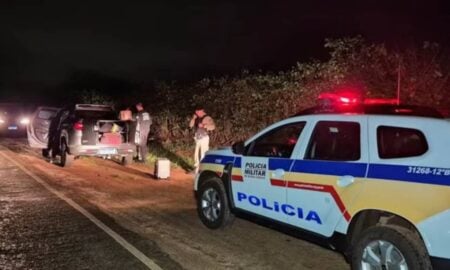
A quick and decisive intervention by Polícia Militar of Minas Gerais (PMMG) prevented an even more serious outcome in a case of domestic violence that occurred in the Jardim Vitória neighborhood, in the northeast region of Belo Horizonte. On the morning of Tuesday, March 17, a 31-year-old woman, who was locked in her home with her six-month-old son, managed to alert the authorities through the 190 emergency service, resulting in her and the child’s rescue by military police officers. The incident represents yet another warning about the growing need for attention and action against gender-based violence, which often escalates from verbal to physical aggression and situations of deprivation of liberty, culminating in potential crimes against life. The agility of the police response was crucial so that the victim and the baby could be released, ensuring their safety and interrupting a cycle of abuse that had lasted for months.
The attacks that preceded the false imprisonment situation began the night before, Monday, March 16, in the apartment the couple shared. Segundo the victim’s report to Essa disagreement quickly took a dangerous turn, turning into verbal and physical aggression.
During the episode, the attacker threw punches at the woman and even threw an object in her direction, increasing the atmosphere of tension and fear. The intervention of the mother-in-law, who also lives in the same house and witnessed part of the fight, was decisive for the victim to find an opportunity to seek safety. Ela managed to lock herself in one of the rooms of the property, protecting herself and the baby from the violent partner’s advances.
Quick action by the PM avoids tragic outcome
The following morning brought a new scenario of apprehension for the woman. The perpetrator of the attacks had left for his job at a motorcycle parts distributor, located in the Itapoã neighborhood. Paralelamente, the mother-in-law was also absent to complete her shift. Foi at that moment when the victim, when trying to leave the room where she had taken shelter, realized that she had been deliberately locked inside the house, leaving her completely isolated inside the property with her six-month-old son.
Faced with the serious situation and seriously fearing for her physical integrity and the child’s life, the woman acted quickly and courageously. Ela managed to make a telephone call to the emergency number 190, explaining his delicate condition to the attendants and requesting immediate help. The Polícia Militar team, promptly mobilized, arrived at the scene within a few minutes. The situation of deprivation of liberty was ended with the help of the mother-in-law, who, upon being contacted, returned and opened the door to the apartment, allowing the military access and the consequent release of the mother and baby.
The escalation of violence in relationships
After the rescue, the woman had no visible serious bodily injuries and refused medical attention at the scene, choosing to focus on safety and removing herself from the risky environment. The victim filed a police report detailing the events and, with the support of the police, began the process of removing his belongings from the residence. Ela was sent to an anonymous shelter, a safe and protected place, where she can feel supported and away from new threats.
On the same day, the woman expressed her intention to file a request for a protective measure against the attacker, seeking legal protection to ensure that he keeps his distance and does not try new approaches. Sergeant Luana of Mata, who actively participated in the incident, highlighted that the attacks had been occurring progressively and systematically throughout the couple’s one and a half year relationship. Este pattern of escalation of violence is often observed in cases of domestic violence, where abusive behavior tends to intensify over time.
The soldier emphasized the relevance of immediate action by the police team. Segundo her, the intervention was crucial to interrupt the cycle of violence and, in her words, “avoid a possible femicide”, especially considering the history of abuse that was already known to the victim. Sergeant Luana of
Reporting and victim protection mechanisms
Lei Maria of Penha (Law No. 11,340/2006) represents a fundamental legislative framework in the protection of women victims of violence. Essa legislation not only defines the various forms of domestic and family violence against women (physical, psychological, sexual, property and moral), but also establishes mechanisms to curb and prevent such acts, in addition to creating conditions for the care and recovery of victims. Entre The most important tools are urgent protective measures, which may include removing the aggressor from the home, prohibiting contact with the victim and their family, and restricting proximity.
The agility in granting these measures is crucial for women’s safety, as they are often applied immediately after the complaint. Além do 190, channels such as Ligue 180 (Center from Atendimento to
Social repercussion and support for women
Cases like that of Belo Horizonte reiterate the urgency of continuous mobilization of society and public authorities in combating gender-based violence. The deprivation of liberty, even for a few hours, and the imminent threat of femicide highlight the gravity of the situation that many women face daily in their own homes. The repercussion of this news helps to bring the discussion on the topic to light, demystifying the idea that domestic violence is a private matter and reinforcing the need for external intervention.
Social support networks, which include NGOs, women’s referral centers and mental health services, play an essential role. Elas offer everything from psychological and legal support to safe shelter, like the one provided for the victim in question. Access to these structures is vital so that women can rebuild their lives, free from fear and oppression, after traumatic experiences.
Public awareness about the signs of violence and the importance of reporting it by neighbors, friends and family is a fundamental pillar in prevention. Frequentemente, the victim feels isolated and unable to seek help, making the observation and initiative of others a decisive factor in interrupting the cycle of violence. Campanhas educational and informative activities are crucial to enable the population to recognize and act in the face of risk situations, showing that the responsibility does not lie solely with the victim.
The importance of the support network
The support network for victims of domestic violence is complex and multifaceted, involving different sectors of society and government. Sua effectiveness depends on coordination between police, justice, social and health services. The integration of these services ensures that women receive not only immediate protection, but also the support necessary for their full recovery and overcoming the trauma. Isso includes everything from psychological support to deal with the emotional consequences of attacks, to legal assistance to guarantee your rights and the safety of your children.
In many cities, there are shelters and specialized referral centers that offer a safe and confidential environment. Nesses places, women find not only physical refuge, but also support to rebuild their autonomy and plan their future away from their aggressor. The availability of these resources, which are often little known, is vital so that victims feel encouraged to break the silence and seek a new life. The work of multidisciplinary teams, made up of psychologists, social workers and lawyers, is essential for comprehensive care.
Law Maria of Penha and legal support
Brazilian legislation, led by Lei Maria and Penha, seeks to restrain and punish aggressors, in addition to protecting victims. Urgent protective measures, for example, can be requested by the victim or their legal representatives and are crucial to removing the aggressor and ensuring safety. Elas aim for physical and psychological protection, and can be applied quickly, including the use of electronic monitoring in specific cases.
Raising awareness about the rights guaranteed by this law is fundamental, both for women and for society in general. Muitas victims are unaware of available resources or feel intimidated by the legal process. Portanto, continuous disclosure and easy access to information are essential to strengthen the protection network.
Preventing and combating domestic violence
Combating domestic violence requires a multifaceted approach that goes beyond repression, also encompassing prevention and education. Iniciativas that promote gender equality from an early age and that deconstruct sexist stereotypes are crucial to creating a culture of respect and non-violence. Education, in all its spheres, has the power to transform mentalities and behaviors, contributing to the construction of a fairer and safer society for everyone.