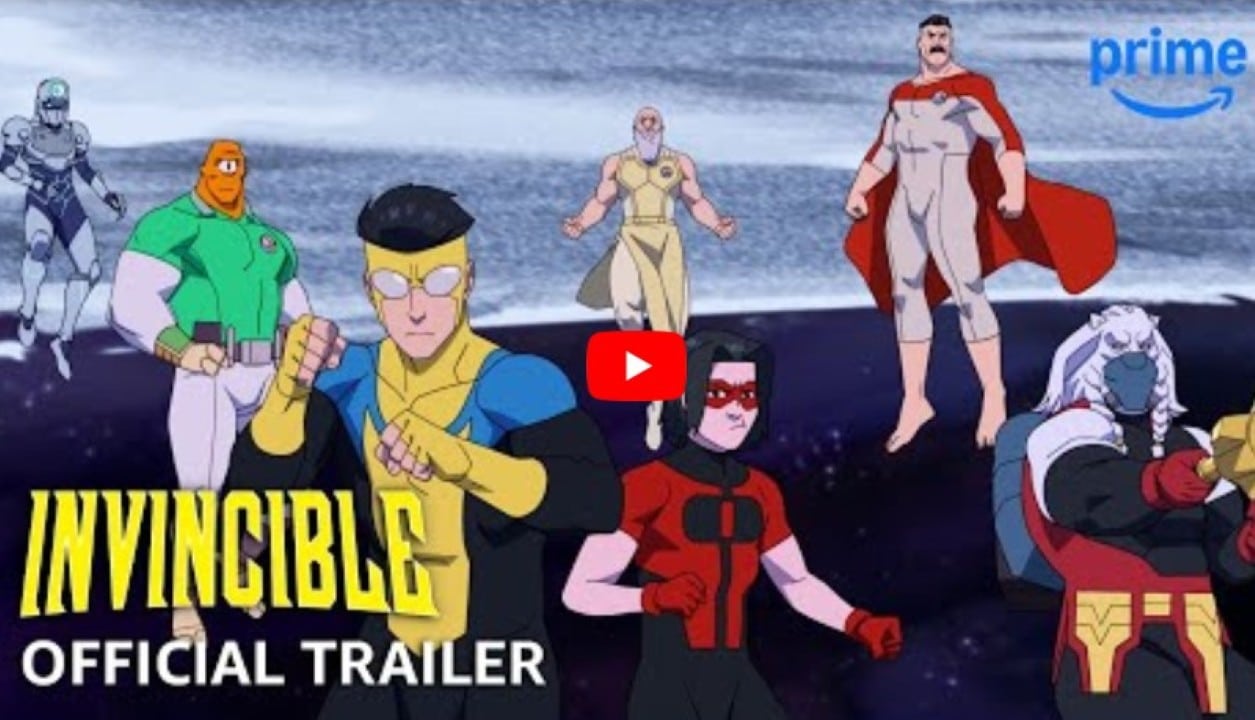
The animated series based on the Image Comics comics established a milestone in the superhero adaptation industry, and the arrival of its new season in the streaming catalog reinforces the maturity of the work. The production, which initially gained notoriety for its violent and uncompromising approach, now presents a narrative focused on the emotional depth of its protagonists. The recently released episodes highlight this structural transition, preparing the ground for confrontations awaited by the public. The writing team demonstrates the ability to balance intense action sequences with the psychological development of the central characters.
The release of the first three chapters of the season highlights an introspective phase that gradually culminates in moments of high tension. The narrative structure adopts a rhythm that favors dialogue and the consequences of heroic acts, moving away from graphic gratuitousness to focus on the weight of decisions. The script requires viewers to follow the nuances of a universe where the lines between heroism and tyranny become increasingly blurred.
Despite the advance in the quality of the text, the almost annual production pace took a visible toll on the technical aspect of the project. Exatamente at the moment when the plot reaches its most critical and dramatic points, the audience is faced with a technical inconsistency that affects immersion. The visual execution of the new episodes raises questions about the feasibility of maintaining short deadlines for highly complex animations.
Narrative evolution and the weight of legacy
The television adaptation created by Robert Kirkman maintains its reputation as a work of excellent scriptwriting, exploring themes that go beyond the traditional Manichaeism of comic books. The maturity of the series allows the plot to delve into emotional depths, exploring the characters and their discoveries in a believable way. The complexity of moral and personal dilemmas remains the central pillar of the narrative, captivating viewers with its multifaceted approach to the consequences of absolute power.
The protagonist’s return reveals a scenario where adversities accumulate relentlessly. Embora his personal life has found a path of momentary stability, the moral ambiguity between the defenders of Terra and the intergalactic threats drags him into deep uncertainties. The central character questions the true purpose of his identity as a superhero, facing an existential crisis that directly affects his performance in rescue and combat missions.
Moral dilemmas and the shadow of Omni-Man
The biggest concern hanging over the protagonist is the likelihood of becoming exactly what many fear: a ruthless warrior following in the footsteps of his father, the Omni-Man. Esse fear contaminates his existence, placing him at a crossroads where the duality of his alien and human heritage reaches a breaking point. Psychological pressure shapes your reactions to enemies that require the use of lethal force.
The script works with this internal tension in a methodical way, showing how the fear of one’s own genetics influences the hero’s interpersonal relationships. Cada decision made on the battlefield carries the weight of proving to the world, and to yourself, that your moral compass remains intact. Distrust of government authorities and his own allies adds a layer of isolation to the character.
Family dynamics are also impacted by this dark legacy. Interactions with his mother reveal the lingering trauma left by the patriarch’s betrayal, requiring both of them to find ways to move forward while dealing with public scrutiny and constant surveillance from global intelligence agencies.
Climate of tension among global defenders
The new season begins with an atmosphere of palpable melancholy, which extends not only to the protagonist, but to the entire community of crime fighters. The dense energy is conveyed effectively throughout the episodes, creating an environment of suspense and continued expectation. The heroes operate under the shadow of recent losses and the looming threat of a full-scale invasion.
Secondary characters continue to don their uniforms and carry the burden of global responsibilities, selflessly throwing themselves into situations of extreme danger. The protagonist, in particular, faces these challenges with an intensity that borders on recklessness, acting carelessly during physical confrontations. The lack of strategy in his approaches reflects his troubled mental state.
Despite a tactical improvement in relation to past events, the team of heroes seems to be walking on eggshells, with the anxious expectation that the worst-case scenario is always lurking. A feeling of precariousness permeates the defense agency’s operations, adding urgency to the characters’ trajectories and the overall plot. The vulnerability of Terra defenders has never been so exposed.
The original voice direction plays a key role in sustaining this drama. Atores as Steven Yeun and J.K. Simmons deliver performances that capture the extremes of their characters’ journeys. Nomes like Sandra Oh and Gillian Jacobs also maintain the high level of acting, giving strength and vulnerability to the central female figures of the story, ensuring that the emotional impact survives even when the visual part fails.
Drop in the technical quality of animation
The studio’s commitment to an almost annual release began to generate negative consequences, resulting in a significant loss of polish in the animation, which had previously been one of the project’s greatest differentiators. Flaws become evident at critical moments, damaging the visual fluidity that the work requires. Embora the series’ action is far from being unsatisfactory in general, watching battles with great narrative impact lose part of their strength due to visible shortcuts in production becomes a frustrating experience for the audience. The Skybound Animation team seems to resort to palliative solutions, such as presenting moments in slow motion to try to emphasize the impact of the blows, but the execution lacks dynamism. Rather than conveying style and strength, these technical choices suggest an excessive effort to save frames of animation. Characters are often reduced to still images dragged across the screen to simulate movement, a technique that breaks immersion during more intense melee combat.
Using visual shortcuts in battles
The visual flourishes that marked explosive clashes in previous episodes lost some of their vitality in this new batch of chapters. The lack of fluid choreography and the repetition of scenes limit the grandeur of the action scenes. The series, which in the past used a clever metalinguistic joke to reference its own technical shortcuts, now sees this language turned against the production, sounding like a justification for budgetary and time limitations.
Judging an entire season based on initial impressions of its premiere may be hasty, and there is a possibility that the final episodes will regain the expected visual glory. However, wear and tear seems inherent to the pressure of meeting the demands of the streaming market, imposing a relentless pace on the team of animators. In an era where the public demands maximum excellence in all aspects, technical decline does not go unnoticed.
Introduction of new allies in the plot
The expansion of the series’ universe occurs with the arrival of new figures who join the global defense team. New members include:
– Bulletproof, with original dubbing by Jay Pharoah;
– Shapesmith, played by Khary Payton;
– Dark Samson and Brit, who take on tactical roles in missions.
The interaction of these new elements with the main nucleus will be crucial for the development of the narrative, bringing new power dynamics and internal conflicts to the team.
Public reception and upcoming episodes
The new season premiered on March 18, adopting a weekly release model on Wednesdays. Expectations surrounding the development of the superhero universe were high, generating intense debates on digital platforms. The first reactions to the episodes reflect a clear division: the public shows deep interest in the density of the script, but does not ignore the visual inconsistencies that appear at crucial moments in the narrative.
Despite the technical challenges, the production history suggests recovery capacity. The expectation lies on the production team’s ability to overcome these issues and deliver a conclusion that does justice to the complexity of the story. The project’s continued success reinforces the viability of adaptations that transcend pure action, proving that audiences value the in-depth exploration of psychological complexities in the superhero genre.