Samsung’s new Android interface unlocks artificial intelligence features for 50 smartphones
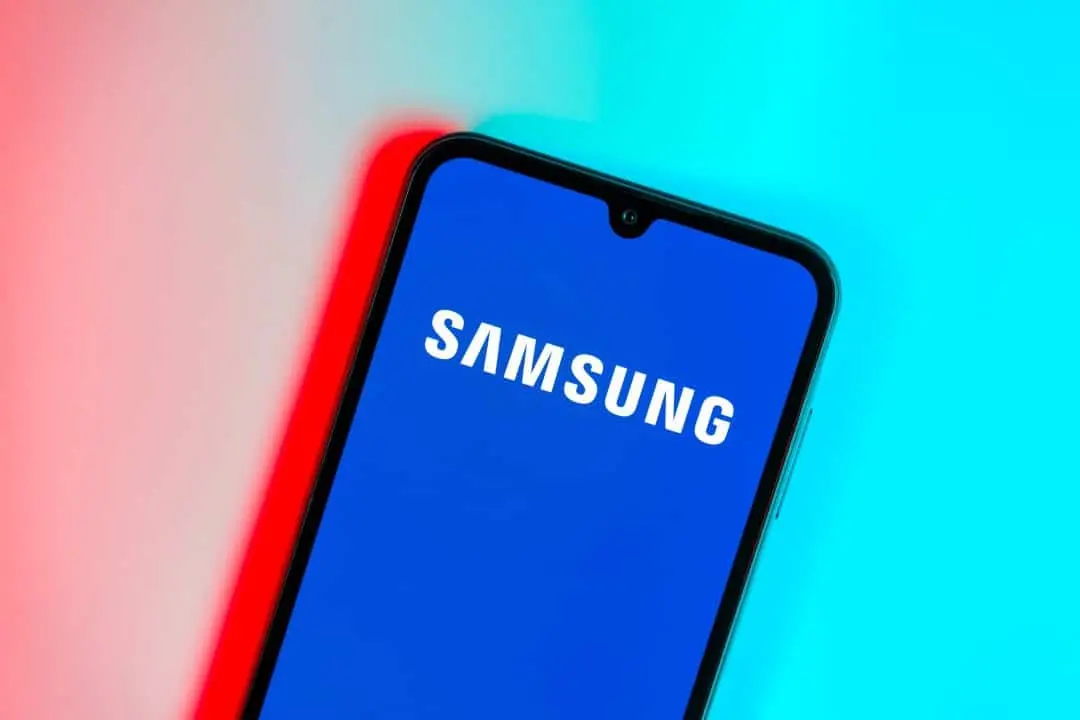
The South Korean manufacturer has begun global distribution of its latest operating system interface based on Android 16, marking a significant transition in the mobile device ecosystem. The unprecedented software was developed to integrate advanced data processing tools directly into the devices’ hardware, reducing dependence on cloud servers and prioritizing consumer privacy. The implementation ranges from high-end models to equipment with larger screens, representing one of the most extensive updates ever carried out by the company in the mobile technology market.
The release schedule foresees that dozens of devices will receive the data package over the next few months. The distribution strategy occurs gradually, divided by regions and product categories, to avoid overloading servers and guarantee the stability of the telecommunications network during the file transfer process.
Eligible consumers will receive automatic notifications on their displays as soon as the download is available in their location. The company recommends that devices are connected to a stable wireless network during the procedure, avoiding excessive consumption of mobile data allowances and preventing communication failures with central servers.
Focus on automation and energy efficiency
The development of new software brings profound changes to the way users interact with their phones on a daily basis. The system architecture has been rewritten to optimize power consumption, stopping background processes that are not in use and extending battery life during routine use of messaging apps and internet browsing.
More on this story: Valve develops SteamGPT artificial intelligence to automate account support and security
In addition to energy management, the interface presents superior fluidity in transition animations between screens. Engineers focused on reducing touch response time, allowing opening applications and switching between tasks to occur almost instantly, even on devices that have a smaller factory-installed RAM capacity.
Galaxy S26 line and foldable devices
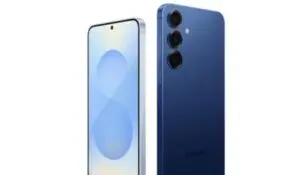
The Galaxy S26 series smartphones, comprising the standard versions, Plus and Ultra, reach the retail market with the new interface installed at the factory. Buyers of these models will have immediate access to artificial intelligence tools without having to wait for additional downloads after initial product configuration.
For the Galaxy S25 family, the release occurs after a testing period restricted to users registered in the development program. The manufacturer uses this phase to identify flaws and apply stability fixes before expanding the software to the general public, ensuring that the transition occurs without compromising the functioning of internal components.
Learn more: Learn how to disable WhatsApp’s artificial intelligence and protect your data
Devices with flexible screens, specifically the Z Fold 7 and the Z Flip 7, are part of the first batch of network updates. The system code received specific adjustments to deal with panel division, simultaneous management of multiple applications and image processing adapted to foldable formats, optimizing the useful viewing area.
Intelligent message and image processing
The ability to manage communications has undergone a structural overhaul with the introduction of dynamic reading algorithms. The system can analyze unread alerts in the last 24 hours and generate a concise summary of the most urgent information, organizing notifications based on the device owner’s interaction habits.
The integrated virtual assistant now has the ability to interpret the context displayed on the display to suggest direct actions. Voice command recognition has been improved, making it easier to create texts for emails, make appointments on the calendar and control the phone’s internal functions naturally and without the need to touch the screen.
See Also


In the field of photography, the native gallery has incorporated generative editing functions that allow structural modification of captures. Users can use text commands to insert virtual objects into real photographs, while the software automatically calculates the correct lighting, shadows and perspective to maintain the realism of the scene.
The editing tool also offers the removal of unwanted elements and people in the background of images with a single command. Processing occurs locally, which speeds up rendering times and prevents personal photographs from being sent to external servers during modification, maintaining the integrity of the original files.
On the same topic: Meta’s artificial intelligence exposes sensitive information after autonomous system error
Data security and privacy policies
The protection of sensitive information was one of the pillars in the development of this generation of software, resulting in a strict block against unauthorized access to hardware components, such as cameras and microphones. The operating system creates an isolated and encrypted environment whenever the user accesses banking applications or performs financial transactions, preventing malicious software from intercepting passwords or personally identifiable data. Essa digital barrier works independently from the rest of the system, ensuring that financial operations remain shielded even when the device is connected to public internet networks.
File and document analysis is now performed entirely by the phone’s own neural processor, eliminating the need for cloud processing for routine tasks. Essa architectural change ensures that personal content does not travel across the internet to be interpreted by artificial intelligence. Adicionalmente, the Privacy Dashboard has been redesigned to provide detailed reports on which apps have requested permissions in the past few hours, enabling immediate blocking of suspicious behavior and offering granular control over the flow of user-generated information.
Expansion to mid-range and older models
The update strategy covers a wide range of devices launched in previous years, establishing a schedule that extends over several months to ensure code compatibility with different processor architectures. The Galaxy S24 family is expected to receive the data package from April onwards, followed by the S23 line and its respective FE versions, which will undergo a rigorous approval process. The support limit for major operating system changes has been fixed in the S22 series, which will receive an optimized version of the software, devoid of functions that require extreme processing, to preserve the performance of older hardware without compromising usability. In the mid-range segment, popular models such as A56, A55, A36 and A35 are also on the eligibility list released by the parent company. Para these phones, the system engine automatically disables complex animations and heavy visual effects, preventing crashes and keeping navigation fluid in everyday applications. The M and F lines, focused on cost-benefit, will receive updates focused on visual changes to the interface and essential security packages, ensuring that devices remain protected against recent vulnerabilities in the digital market.
Integration with tablets and large screen devices
The large screen ecosystem is also part of the renewal cycle, with the Tab S11 series receiving software natively to improve digital pen use and management of multiple simultaneous work windows. Previous Modelos, such as Tab S10, S9 and S8, in addition to the A9 and Active lines, will receive installation gradually, incorporating improvements in file synchronization with smartphones of the same brand.
More on this story: Android system receives native Gemini Nano 4 integration for offline processing on smartphones
Guidelines for installation procedure
The manufacturer advises that, before starting any system transition procedure, owners carry out a complete backup of their personal files, contacts and photographs on computers or virtual storage services. Essa preventive measure prevents the loss of information if any instability occurs during the rewriting of the device’s internal code.
The installation process requires that the battery has at least half of its total charge capacity available. Iniciar updating at critical power levels may result in the device abruptly shutting down, which has the potential to corrupt equipment data and require specialized technical assistance to recover the operating system.