
US attacks Kharg: Escalation in global tension could push oil prices beyond control, says general

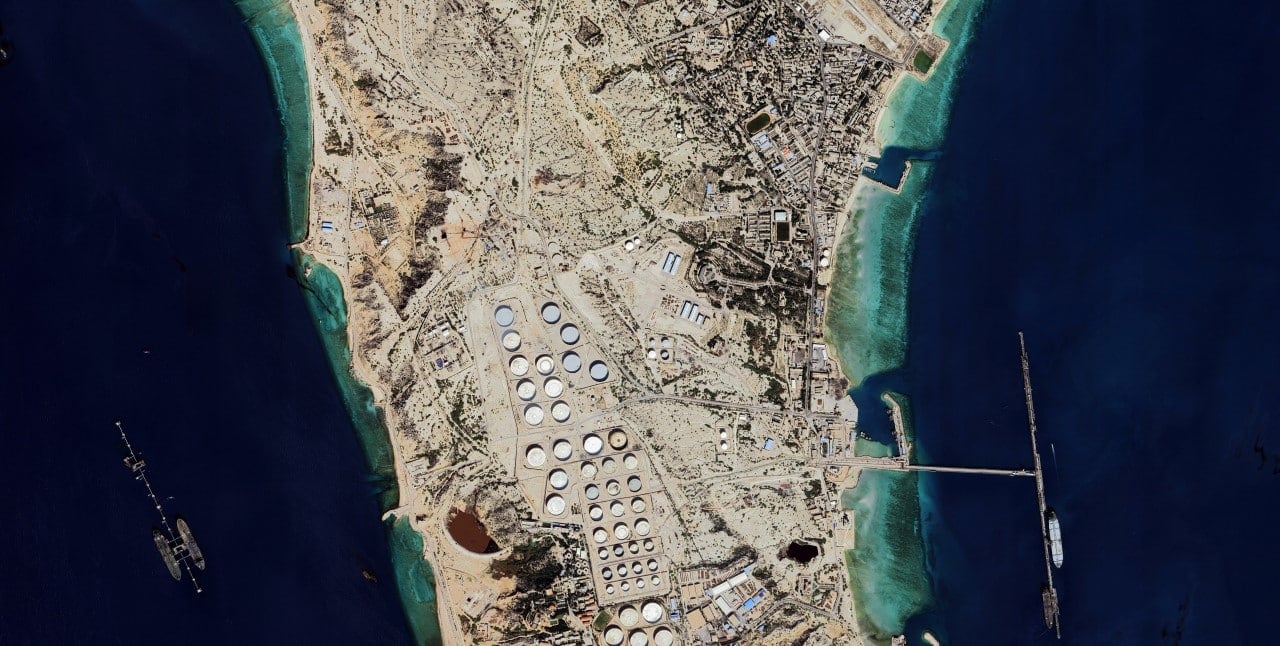
The attack by the Estados Unidos on the Iranian island of Kharg, a strategic oil export center, marked a turning point in the war dynamics, generating immediate concerns about the stability of the global energy market. The military action, which took place in a scenario of heightened tensions, was interpreted by experts as a movement that could elevate the conflict to a new level, with direct and severe consequences for the world economy.
A retired US Army brigadier general, Mark Kimmitt, told CNN that the offensive on the island of Kharg had the potential to send oil prices “out of control.” His analysis highlighted the war’s transition from a phase focused on “eliminating the military and the regime” to a strategy that aimed to cut off the Irã’s main source of economic sustenance, a step considered high risk.
This change in tactics underlined the gravity of the situation and the risk calculation involved. The island of Kharg represents approximately 90% of Irã’s crude oil exports, making it an invaluable target for any strategy seeking to put economic pressure on the country.
US Strategy and the Pressão in the Golfo Pérsico
The Estados Unidos, according to Kimmit’s interpretation, held the island of Kharg as a type of strategic “hostage”, seeking to force the Irã to guarantee the free passage of ships through the Este strait, one of the world’s most important maritime routes for transporting oil, had already seen a rise in oil prices due to previous blockages and regional instability. The threat to Kharg’s infrastructure added a new layer of pressure.
The logic behind this strategy was clear: by threatening a vital point in the Iranian economy, Washington hoped to dictate terms for safe navigation in the gulf. Contudo, this tactic carried a substantial risk of retaliation. Kimmit warned that a direct attack on the island’s oil infrastructure would provoke an Iranian response against other facilities on Oriente Médio, culminating in an uncontrollable spike in oil prices.
This potential escalation illustrated the region’s complexity and delicate balance of power. Qualquer aggressive movement could trigger a series of events with global repercussions, going beyond the boundaries of direct conflict between the two countries.
To Importância Geopolítica of Ilha of Kharg
The island of Kharg, approximately 8 kilometers in diameter, is strategically located off the Iranian coast, in Golfo Pérsico. Sua relevance transcends the capacity to export oil; it is a symbol of Iranian economic capacity and sovereignty in the region. Durante the first two weeks of the war, the island had escaped attacks, which indicated containment or a prior strategic calculation to avoid an even greater escalation.
The preservation of Kharg was, until then, an indication that both sides sought to avoid the complete destabilization of the oil market. However, the decision to strike military targets on the island, as announced by then US President Donald Trump, marked a change in stance. Ele declared that “all military targets on the island of Karg have been completely destroyed” and warned that future attacks on the island’s oil infrastructure would be carried out if Irã persisted in obstructing passage through
This statement added an explicit threat to Irã’s vital infrastructure, raising the level of confrontation. The island, therefore, was not just an export point, but a point of maximum pressure in the geopolitical chessboard.
Reactions and Alertas of Irã
The Iranian response to these threats was quick. The speaker of the Iranian parliament, Ghalibaf, issued a blunt warning, stating that the Irã would “abandon all containment” if the Estados Unidos attacked Iranian islands scattered across the Golfo Pérsico. Essa statement reflected the seriousness with which Teerã viewed the aggression and his readiness for severe retaliation.
Iranian rhetoric emphasized the country’s willingness to defend its sovereignty and vital interests, which included the ability to export its oil. The threat to “abandon all containment” suggested that Irã could employ asymmetric tactics or direct attacks on other strategic targets in the region, potentially involving US allies.
The dynamics of threats and counter-threats illustrated the vicious cycle of escalation in Golfo. Cada action on one side provoked a reaction on the other, keeping the region in a constant state of alert and volatility.
Implications Globais for the Mercado of Petróleo
The instability in Golfo Pérsico has always reverberated strongly in the global oil market. Qualquer interruption in the flow of oil through the Estreito of Ormuz, or attacks on production and export facilities, provoke an immediate response in prices. Analistas of the market closely monitor the situation, as the consequences of an escalation can be profound and long-lasting.
- Offer and Demanda:A direct attack on Kharg’s infrastructure would mean an immediate reduction in oil supply on the global market, driving up prices in a scenario of persistent demand.
- Routes from Navegação:Insecurity in Estreito of Ormuz would force shipping companies to look for alternative, longer and more expensive routes, adding costs that would be passed on to the end consumer.
- Risco Factors:Investidores and oil traders factor the “risk premium” into prices, which increases in times of geopolitical tension, even if there is no immediate supply disruption.
The memory of previous oil crises serves as a constant reminder of the fragility of this market in the face of geopolitical events. An uncontrolled escalation, like what an attack on Kharg could provoke, would have the potential to plunge the global economy into a recession, disrupting supply chains and increasing inflation around the world. Global dependence on oil, despite advances in renewable energy, still makes these regions a focus of international attention.
The Equilíbrio Delicado in the Geopolítica Regional
The Golfo Pérsico region remains an epicenter of complex tensions, where multiple actors with different interests operate. The relationship between Estados Unidos and Irã is one of the pillars of this dynamic, but other countries such as Arábia Saudita, Emirados Árabes Unidos and Israel also play crucial roles. Qualquer change in the balance of power or regional security has broad implications.
Despite past events, the need to avoid large-scale conflict remains a priority for the international community. Diplomacy, although often challenged, is seen as the essential path to de-escalating tensions and finding lasting solutions. The lesson of Kharg and the warnings of General



