
Xiaomi begins distribution of HyperOS 3.1 with a focus on integration and new features for users

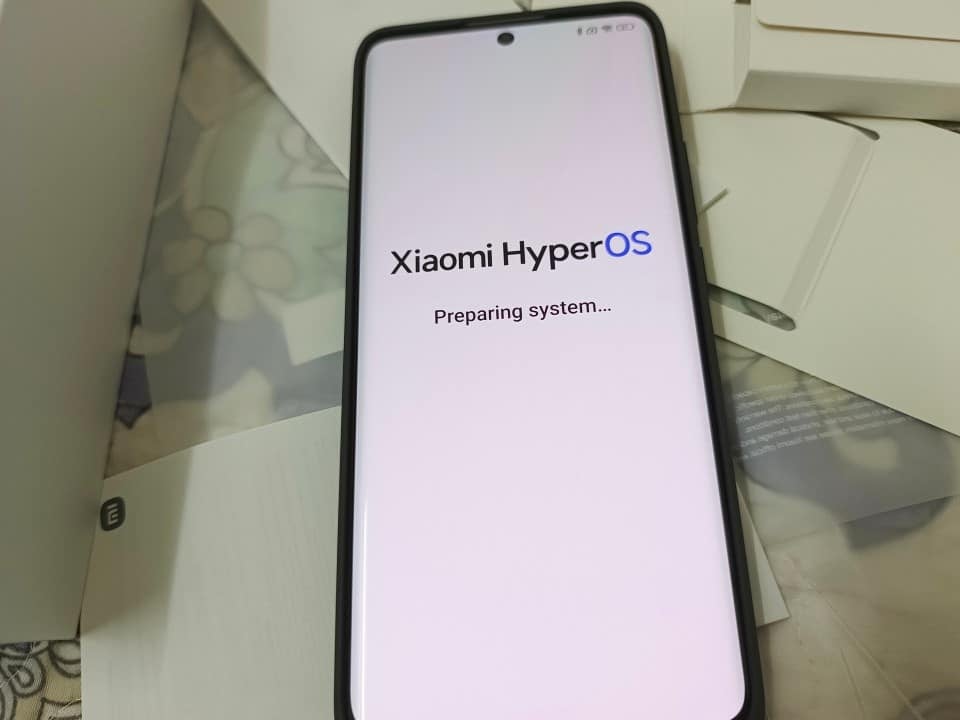
Xiaomi has started the official release of the stable version of HyperOS 3.1, its latest user interface, for a wide range of smartphones and tablets from its flagship line in the Chinese market. Este new software package was meticulously developed with the primary objective of refining the user experience, promoting a more fluid integration between different devices and introducing innovative functionalities that aim to boost productivity and connectivity in everyday life. The update represents a significant step in the company’s strategy to consolidate its digital ecosystem.
The launch, which began to be implemented gradually, prioritizes the brand’s most advanced models, ensuring that users of cutting-edge devices are the first to experience the innovations. The expectation is that, after the initial phase at China, distribution will expand to global markets, reaching an even larger audience.
This update is not limited to aesthetic improvements, but dives deep into performance optimization and the introduction of smart tools. Desde from camera to artificial intelligence features, HyperOS 3.1 is designed to transform the way users interact with their devices, making everyday tasks more efficient and intuitive.
Cross-platform connectivity enhancements
One of the central pillars of this update is the expansion of communication capacity between different platforms and ecosystems, which aims to break down barriers and offer a more unified experience. HyperOS 3.1 strengthens compatibility with third-party accessories, providing smarter, more practical connectivity for users who rely on multiple devices in their routines.
Notably, the Apple’s AirPods integration has been improved, allowing the headphones to display a quick connect pop-up directly on the Xiaomi devices’ display. Além In addition, users can now view the battery level of their AirPods and control active noise cancellation (ANC) natively on Xiaomi devices, without the need for additional apps, simplifying accessory management.
The system also incorporates a robust integration functionality with iPhones, optimizing the synchronization of SMS codes and enabling users to answer calls received from the Apple smartphone directly on their Xiaomi devices. Essa’s ability to interconnect between different ecosystems underlines Xiaomi’s commitment to offering flexibility and convenience, meeting the needs of a diverse audience that may use devices from different manufacturers.
News for productivity and creators
For photography and videography enthusiasts as well as creative professionals, the camera app in HyperOS 3.1 has received substantial adjustments. Professional video mode has been optimized with the addition of support for quickly downloading color correction LUTs (Look-Up Tables). Essa functionality allows filmmakers and creators to efficiently apply preset or custom color profiles, streamlining post-production workflow and ensuring more consistent, professional visual results directly from the device.
Regarding artificial intelligence, the voice recorder has been improved to take advantage of Super Xiao Ai AI. Agora, the application is capable of generating automatic summaries of recorded audio and answering questions based on the content, offering a valuable tool for organizing information. Esta innovation can be particularly interesting for students who record classes, professionals who record meetings and journalists who need to transcribe or analyze interviews, transforming the recorder into an intelligent and efficient assistant.
Visual experience and system optimization
Xiaomi highlighted that HyperOS 3.1 not only improves functionality, but also promotes visual improvements and adjustments to the system’s overall performance, resulting in a more pleasant and responsive user experience. The changes range from the fluidity of interactions to the efficiency of navigating content and applications.
Among the highlights, the system’s animations were redone to be smoother and more consistent, providing a feeling of greater agility and modernity when interacting with the device. Além Furthermore, optimizations have been implemented in the search within the photo application, making it easier and faster to find specific images in the gallery. Ajustes in the desktop layout on tablets also aim to maximize usability and productivity on larger screens, adapting the interface for more intuitive and efficient handling.
These improvements in performance and design contribute to a more polished interface and a more stable system, minimizing delays and ensuring that hardware operates at its maximum capacity. The focus on optimizing the daily experience reflects Xiaomi’s ongoing pursuit of software excellence.
Accessibility and security features
Accessibility is a growing concern in operating system development, and Xiaomi’s HyperOS 3.1 demonstrates a commitment to this area by introducing a care mode specifically designed for seniors. Este mode includes enlarged icons and fonts, making it easier to view and interact with for users with visual impairments or who prefer a clearer interface.
In addition to visual adjustments, the elderly care mode integrates suspicious call blocking. Essa proactive functionality aims to increase the safety of older users by protecting them from scams and unwanted telemarketing, which adds an important layer of peace of mind. By making devices more accessible and secure, Xiaomi expands digital inclusion and serves a valuable segment of its user base.
Comprehensive release schedule
Xiaomi is implementing the HyperOS 3.1 distribution strategically and gradually, ensuring a smooth transition for users. The first phase of the rollout focused on the latest high-performance smartphones and tablets in the Chinese market, ensuring that flagship devices are early adopters of the new interface. Essa approach allows the company to monitor performance and collect feedback before wider distribution.
Models from the acclaimed Xiaomi 17 line are among the first to be covered by the update, marking the beginning of the HyperOS 3.1 journey. Outros devices, including the REDMI lines, should receive the update in subsequent phases, as the company expands the distribution of the operating system. It is worth noting that some high-end REDMI models are expected for a global launch under the POCO brand, expanding the reach of HyperOS 3.1 innovations to the international market.
The meticulous phasing demonstrates Xiaomi’s intention to provide a stable, high-quality update for all its users. Transparent communication about the schedule helps manage expectations and prepare the community for the arrival of new features, reinforcing the brand’s commitment to customer satisfaction and constant technological innovation in its product ecosystem.
Phase 1: immediate Disponibilidade
This initial step prioritizes the most powerful, cutting-edge devices from Xiaomi and Redmi, ensuring that high-end users are the first to experience what’s new in HyperOS 3.1. The focus is on high-end smartphones and premium tablets, highlighting the importance of high performance in the launch strategy.
- Top of the line cell phones:Xiaomi 17 Ultra Leica Edition, Xiaomi 17 Ultra, Xiaomi 17 Pro Max,
- REDMI Series:REDMI K90 Pro Max and REDMI K90 (expected for global launch as POCO flagships).
- Tablets:Xiaomi Pad 8 Pro and the standard Xiaomi Pad 8.
Expansion in the second half of March
The second phase of distribution expands the scope of the update to include a wider range of high-performance devices, covering previous generation flagships, foldables and more tablet models. Este movement aims to democratize the innovations of HyperOS 3.1 for users of devices that are still considered premium and relevant in the market.
- Previous tops of the line:Xiaomi 15 Ultra, Xiaomi 15S
- Foldables and tablets:Xiaomi Mix Flip 2 and the entire Xiaomi Pad 7 line (Ultra, 7S Pro 12.5, Pro and standard).
- Performance models:REDMI K80 Pro, REDMI K80 Ultra (global Xiaomi 15T
Distribution in mid-April
The third stage focuses on models that are still robust, but from slightly older release cycles, as well as special devices and powerful intermediaries. Esta phase is crucial to expanding HyperOS 3.1 to a significant user base that values performance and advanced features, but not necessarily the latest generation of hardware.
- Old tops of the line:Xiaomi 14 Ultra (including editing Titanium), Xiaomi 14
- Special devices:Xiaomi MIX Fold 4, Xiaomi MIX Flip and Xiaomi Civi 5 Pro.
- Potent Intermediates:REDMI K70 Pro, REDMI K70 Ultra (global Xiaomi 14T
- Note and economical series:series REDMI Turbo 4, REDMI Note 15 Pro Plus, REDMI Note 15
Update completion at the end of April
The last phase of the HyperOS 3.1 release schedule covers older but still popular models, as well as a wide range of mass and input devices. Este termination of distribution aims to ensure that the majority of brand users have access to improvements, consolidating the presence of the new operating system throughout the Xiaomi ecosystem.
- Older tops of the line:Xiaomi 13 Ultra, Xiaomi 13
- Broad ecosystem:Xiaomi Civi 4 Pro and Xiaomi Pad 6S Pro 12.4.
- Mass devices:REDMI K60 series (including Ultra), REDMI Turbo 3 and the extensive REDMI Note 14 and Note 13 lines.
- Input Models:REDMI 15R 5G, REDMI 14R 5G, REDMI 14C and the REDMI Pad Pro series.



