
Xiaomi launches Poco X8 smartphones with 8500 mAh battery and Dimensity chip to dominate the sector

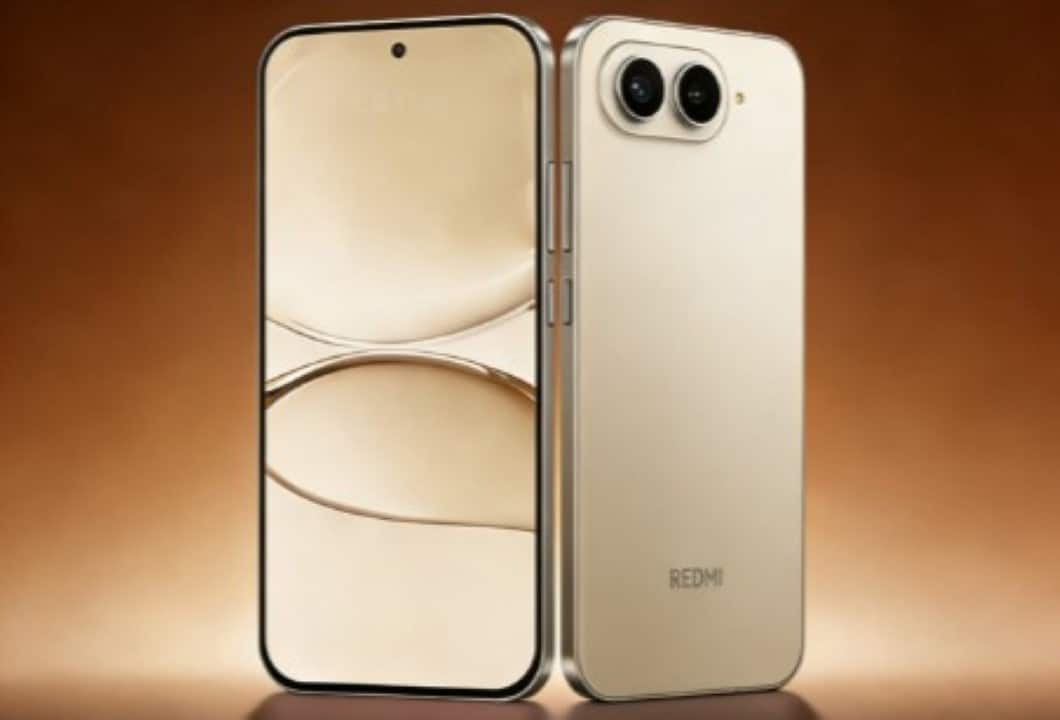
The Asian mobile technology manufacturer has officially announced the arrival of its latest generation of high-performance devices on the global market. The new devices were designed to serve consumers who require maximum energy autonomy and continuous processing capacity. Applied engineering focuses on solving the daily wear and tear of intensive users, delivering hardware capable of supporting long days of use without interruptions.
The strategic development of the new series incorporates cutting-edge components from the semiconductor industry, aiming for thermal stability and operational fluidity. The internal architecture has been completely redesigned to accommodate significantly larger power modules without compromising ergonomics or the final weight of the product. The internal design project prioritized heat dissipation, a critical factor in maintaining performance at maximum levels when performing complex tasks.
The technical specifications reveal a clear division of the portfolio, offering alternatives for different usage profiles and available budgets. The brand’s characteristic visual identity was maintained, but the chassis received substantial innovations in its composition to support new hardware requirements and guarantee the long-term structural durability of the equipment.
Commercial strategy and positioning in the technology sector
The introduction of this new family of smartphones represents an aggressive move by the manufacturer to capture a larger share of the affordable premium segment. By focusing on specifications that traditionally make devices more expensive, such as extremely high-density batteries and cutting-edge processors, the company sets a new level of demand for direct competition. The current telecommunications market shows a growing demand for devices that can support heavy work and entertainment routines without the need for multiple daily recharges, a void that this new line aims to fill with its energy architecture based on new chemical compounds. The transition to more energy-efficient materials reflects a global engineering trend focused on durability and reducing premature electronics disposal.
In addition to physical autonomy, the strategy involves delivering a software ecosystem optimized to make the most of available hardware in any situation. Deep integration between physical components and the operating system allows devices to intelligently manage power consumption, adapting to the owner’s usage patterns in real time. Este level of optimization is crucial to maintaining the longevity of internal components over the years, reducing natural battery degradation and ensuring that the consumer’s investment maintains its utility value over an extended period, something increasingly valued in a highly competitive and demanding global economic scenario.
Advanced processing architecture and graphics performance
The most robust model in the series is equipped with the MediaTek Dimensity 9500 processor, a semiconductor specifically designed to handle complex operations and heavy multitasking on portable devices. Este chip works in sync with the Immortalis-G925 MC12 graphics processing unit, ensuring stable rendering of demanding applications and high-fidelity digital entertainment platforms.
The standard version of the device does not present a significant lag, using the Dimensity 8500 Ultra chip, capable of reaching operating frequencies of up to 3.4 GHz on its maximum performance cores. The architecture of this component has been rigorously calibrated to balance raw power delivery and energy efficiency during everyday use, prolonging time away from sockets.
Visual management of the base model is carried out by the Mali-G720 MC8 GPU, configured to support high frame rates constantly and without sudden drops. The integration of these elements provides perfectly fluid navigation across all system interfaces, from simple menu transitions to the execution of professional image and video editing software.
Preliminary laboratory tests indicate that the integrated cooling system can dissipate the heat generated by the chips highly efficiently through expanded vapor chambers. The internal mechanism prevents forced performance reduction due to overheating, maintaining the physical integrity of the components even after hours of uninterrupted processing under maximum stress.
Energy capacity and charging system innovations
The energy matrix of the new devices adopts silicon-carbon anode technology, a fundamental innovation that allows greater electrical density to be stored in a considerably reduced physical space. The top model houses an impressive 8500 mAh cell, a size designed to support multiple days of moderate use or long media consumption sessions without the need for immediate recharging. The base version follows this technological evolution by offering a 6500 mAh component, which still represents a capacity far superior to the historical average found in direct competitors in the same market segment.
To power these extremely high-capacity batteries in a timely manner, the manufacturer implemented support for 100W HyperCharge technology, with the high-power socket adapter already included in the product’s original packaging. The advanced energy management system allows the recovery of a significant percentage of the total charge in a few minutes when connected to the electrical network, optimizing the user’s time.
The device’s engineering also includes the option of wireless charging with power of up to 27W, in addition to offering reverse energy transfer. Esta last feature allows the smartphone to act as a portable emergency power source for compatible small electronic accessories, such as wireless headphones and smart watches, directly on the back of the device.
Screen Specifications and Structural Strength
The front interface of the main model features a 6.83-inch AMOLED panel with a resolution of 2772 x 1280 pixels, occupying almost the entire front area of the device. The screen was factory calibrated to display accurate colors and high contrast levels, optimizing the viewing of multimedia content in different ambient lighting conditions, maintaining chromatic fidelity.
The entry-level model in the line has a slightly smaller display, measuring 6.59 inches diagonally, and a resolution of 2756 x 1268 pixels. Ambas versions use Corning Gorilla Glass 7i reinforced glass across the entire front surface, ensuring structural resistance against accidental impacts and scratches resulting from everyday use, while the refresh rate reaches 120 Hz and maximum brightness reaches the 2000 nits mark.
Attenuation technology and nighttime eye comfort
To minimize visual fatigue during nighttime use or in low-light environments, engineering implemented 3840Hz PWM dimming technology. The feature drastically reduces imperceptible screen flickering at low brightness levels, working together with support for the HDR standard to improve visual fidelity when playing videos without harming the user’s vision during long periods of exposure.
Precision image capture and optical stabilization
The rear photographic set integrates high-resolution sensors equipped with an optical image stabilization system, a fundamental mechanical feature for clear recordings on the move. The main device uses the 50-megapixel Omnivision Light Fusion 600 sensor with f/1.50 aperture, physically optimized to capture more light in dark environments and reduce digital noise in night photographs.
The standard version uses the Sony IMX882 sensor, also with 50 megapixels and f/1.59 aperture, maintaining optical stability for video recording and photo capture. The system of both devices is complemented by an 8-megapixel ultra-wide-angle lens with f/2.2 aperture, while the 20-megapixel front camera manages video calls and self-portraits, supporting recording in 4K resolution with combined electronic stabilization.
Network connectivity and custom software integration
The devices’ network infrastructure incorporates the Wi-Fi 7E standard, designed to support extreme data transfer speeds and minimize latency in wireless connections compatible with modern broadband routers. Communication with peripheral devices occurs via the Bluetooth 5.4 protocol, which guarantees pairing stability with multiple accessories simultaneously and optimizes power consumption during continuous transmission of high definition audio in lossless formats. Management of all hardware functions is performed by the Android 16 operating system, on which the customized HyperOS 3 interface operates, developed by the manufacturer itself to unify its ecosystem of intelligent products. Esta software platform offers advanced visual customization features, hardware-level encrypted secure folders to protect confidential data, and artificial intelligence functions aimed at daily productivity, such as audio transcription and routine organization. Biometric authentication is performed by an ultrasonic fingerprint reader positioned under the main screen, ensuring quick unlocking even with wet fingers, while an infrared emitter located on the top edge allows the smartphone to function as a universal remote control for televisions, air conditioning units and other compatible household appliances.
Physical construction and availability on the international market
The external structure of the devices uses an aerospace-grade metal alloy in the main chassis, giving the equipment extreme rigidity and a premium finish to the touch. The most robust model carries 12 GB of LPDDR5x
The standard version is 8.38 millimeters thick and weighs 201 grams in its base configuration. The equipment will be available on the international market in black, white and titanium, with the superior model initially priced at 529 euros, the equivalent of around 3,215 reais in direct conversion, while the base version has an estimated value in the range of 2,425 reais, establishing a direct and aggressive competition strategy in the telecommunications sector.




