
Technology giant Apple has officially revealed its latest line of mobile devices, highlighting the unprecedented iPhone 17e and the new generation iPad Air equipped with the M4 processor. The announcement redefines the company’s portfolio by introducing a smartphone that replaces the traditional nomenclature with a proposal focused on efficiency and deep integration with machine learning systems. The devices hit the market with the promise of raising the standard of mobile processing and redefining users’ interaction with their daily equipment.
Developed to meet a growing demand for high performance in complex tasks, the new smartphone features a refined design and robust technical specifications. The transition in the product line indicates a strategic change by the manufacturer, which now prioritizes hardware optimization to support advanced tools native to the operating system. The mobile device features a 6.1-inch screen protected by the second generation of Ceramic Shield, offering greater resistance against impacts and scratches compared to previous generations.
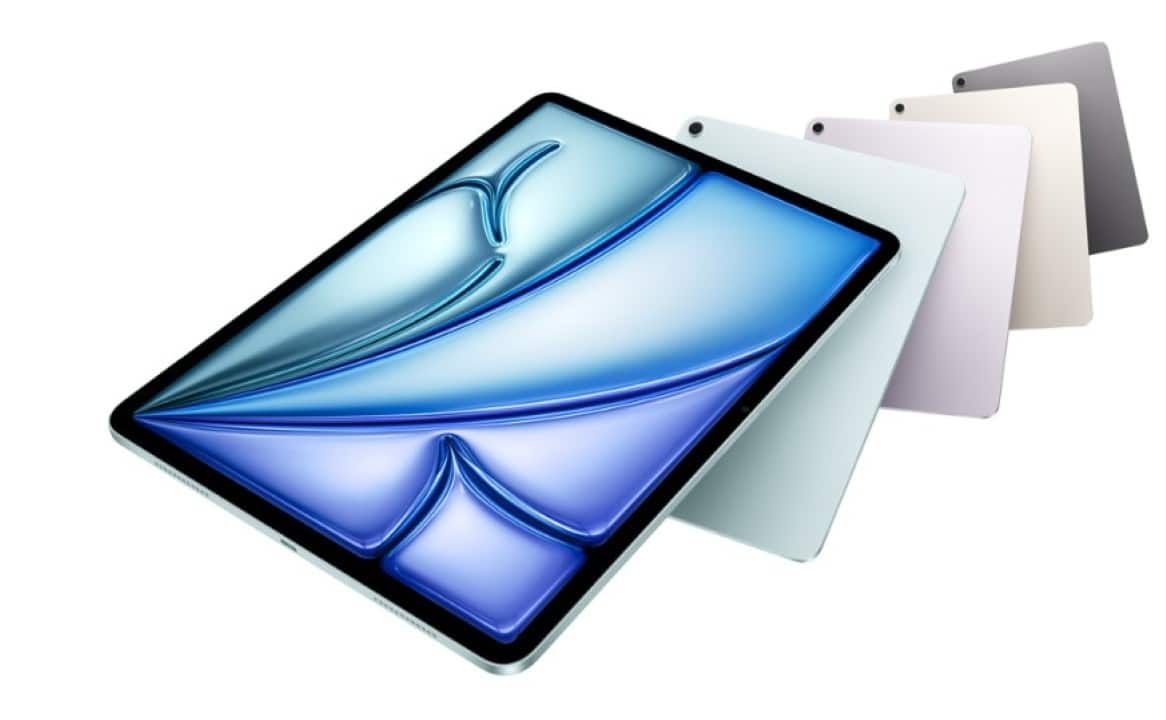
The updated tablet, in turn, incorporates the brand’s latest silicon, guaranteeing a significant leap in speed and graphics capacity. The chip’s architecture allows the device to run professional-level applications fluidly, serving both content creators and corporate users who require mobility without compromising performance. The inclusion of cutting-edge components in the Air model brings the device closer to the company’s more expensive lines, democratizing access to high-performance resources.
Both launches share a technological base focused on automation and personalization of the user experience. The integration of cutting-edge components sets a new bar for the electronics industry, forcing competitors to review their own hardware development strategies. The manufacturer is betting on the unification of its ecosystem, ensuring that data transition and the simultaneous use of multiple devices occur in a transparent and continuous manner.
Technical specifications and camera system of the new smartphone
The mobile device’s photographic system has received substantial updates, now featuring a 48 megapixel main sensor. The lens supports two-times optical zoom and 4K resolution video recording with Dolby Vision support. The configuration allows you to capture images with a high level of detail and accurate colors, even in environments with challenging natural lighting or nighttime scenarios.
The device’s structure maintains compatibility with MagSafe technology, facilitating the use of magnetic accessories and high-speed wireless chargers. The power supply system has been optimized to support rapid recharges, allowing the battery to reach half its full capacity in just thirty minutes when connected to compatible adapters. Thermal management during charging has also been improved to preserve power cell life.
To support all these functionalities, the equipment has 8 gigabytes of RAM memory, a fundamental requirement for processing tasks based on complex algorithms. Initial storage capacity is set at 256 gigabytes, eliminating smaller space options to accommodate the growing volume of data generated by modern applications, ultra-high-resolution videos, and frequent software updates.
A19 processor architecture and energy efficiency
The heart of the new smart phone is the A19 chip, manufactured using a three-nanometer process that guarantees greater transistor density and lower power consumption. The component was specifically designed to handle intense workloads, distributing tasks between high-performance cores and efficiency cores. The engineering behind the silicon results in a device that heats up less during prolonged use of heavy games or editing videos directly on the device.
The graphics processing unit integrated into the A19 supports hardware ray tracing acceleration, a feature previously restricted to desktop consoles and high-performance computers. The technology drastically improves the rendering of lights and shadows in virtual environments, providing more realistic graphics. The processor’s neural engine has also been expanded, accelerating pattern recognition and executing voice commands without the need for constant connection to external servers.
Professional performance in a compact tablet form factor
The adoption of the M4 chip in the Air tablet represents a milestone in the evolution of the brand’s portable device category. The processor delivers a central processing speed fifty percent higher than the previous generation, transforming the equipment into a mobile workstation capable of rivaling traditional laptops on several productivity fronts.
With 12 gigabytes of unified RAM, the device manages multiple applications open simultaneously without experiencing slowdowns or choking. Increased memory bandwidth makes it easy to quickly transfer large files, such as three-dimensional modeling projects, architectural renderings, and raw videos shot on location.
The device’s screen has been calibrated to deliver professional-grade color accuracy, meeting the demands of photographers and graphic designers. The panel supports high refresh rates, ensuring fluidity when scrolling pages and using digital pens for technical drawings or handwritten notes in corporate meetings.
The tablet’s heat dissipation system has been redesigned to maintain peak performance even during prolonged rendering. The internal aluminum structure acts as an efficient passive heatsink, preventing automatic reduction in processor speed due to overheating and ensuring stability in continuous workflows.
Software integration and advanced automation tools
The new devices hit the market running the iOS 26 and iPadOS 26 operating systems, bringing a robust set of native tools focused on productivity and virtual assistance. The voice assistant has undergone a complete redesign, acquiring the ability to understand complex contexts and perform actions in multiple steps within different applications. The system can now analyze the content displayed on the screen to provide accurate responses or perform tasks such as scheduling appointments based on incoming text messages. Ferramentas text editing options integrated into the virtual keyboard offer rewriting suggestions, advanced grammar correction and real-time translation, operating completely locally to guarantee the privacy of user data. The generation of images from textual descriptions has also been incorporated into the photo gallery and messaging application, allowing the creation of unique illustrations in just a few seconds. The software architecture was designed to prioritize processing on the device itself, resorting to cloud servers only when the complexity of the request exceeds the capacity of local hardware, always using end-to-end encryption protocols to protect owners’ personal information.
Market strategy and price positioning
The introduction of the new smartphone with a base storage of 256 gigabytes has a suggested starting price of R$5,799 in the national market. The value reflects the manufacturer’s strategy of raising the entry level of its devices, delivering specifications that were previously exclusive to the brand’s more expensive lines and justifying the higher initial investment.
The commercial positioning seeks to attract consumers who want cutting-edge technology without necessarily investing in top-of-the-line models. The standardization of advanced features across the entire product family aims to consolidate the company’s presence in the premium segment, making it difficult for rival manufacturers to compete, which still heavily segment their technological innovations between basic and advanced devices.
Construction materials and durability of devices
The physical engineering of the new launches uses recycled materials in several internal and external components, in line with the goals of reducing carbon emissions in the production chain. The aerospace aluminum chassis and reinforced front protection guarantee resistance against accidental drops and everyday scratches. The water and dust resistance certification was rigorously maintained, ensuring the integrity of the internal circuits even in adverse environmental conditions, prolonging the useful life of the equipment and reducing the need for frequent replacements by users.
