
Apple officially announces the arrival of the new iPhone 17e with 48 megapixel camera and iPad Air with M4 chip

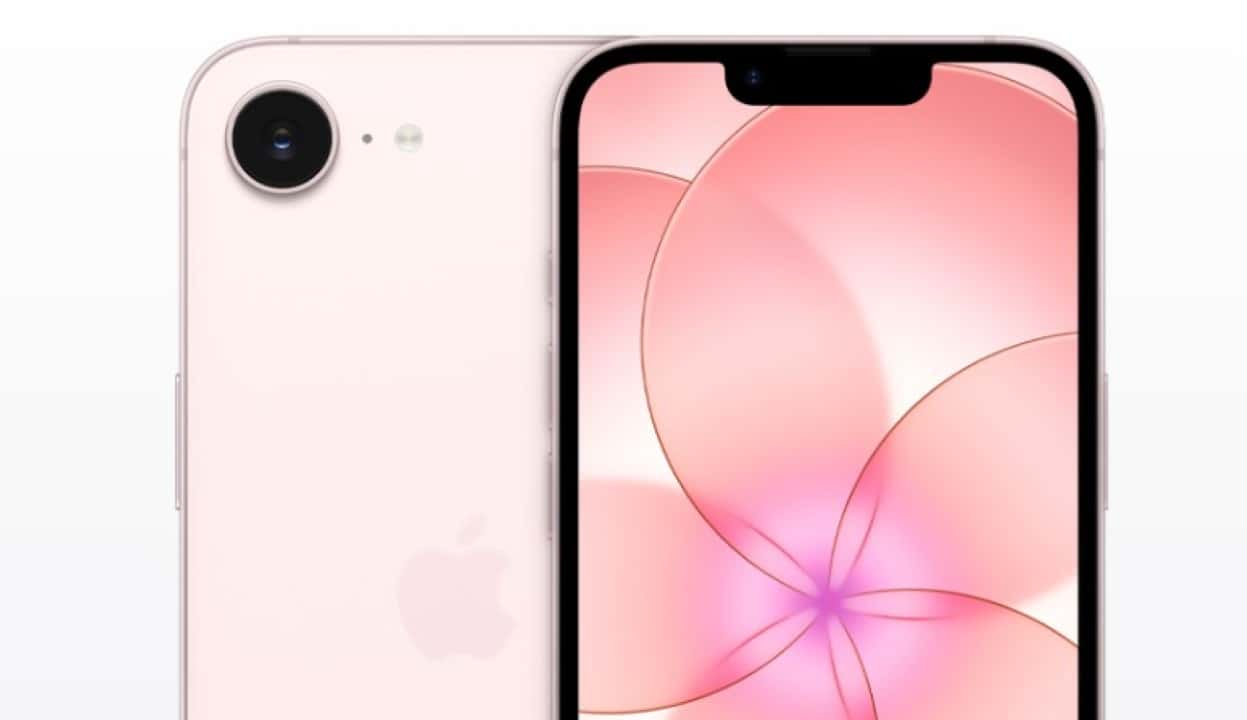
The Cupertino-based company has officially announced the expansion of its mobile device portfolio with the introduction of two new product lines aimed at the global market. The presentation event revealed significant updates in processing and design, marking an important transition in the manufacturer’s hardware strategy for the current year. The new features aim to meet the demand for more efficient devices integrated with advanced machine learning tools.
The launches include a new smartphone that replaces previous large-screen versions and an updated tablet with state-of-the-art components. Ambos the devices were developed with a focus on high performance, energy efficiency and deep integration with optimized operating systems. The manufacturer highlighted that the internal changes reflect a new standard of demands for devices for personal and professional use.
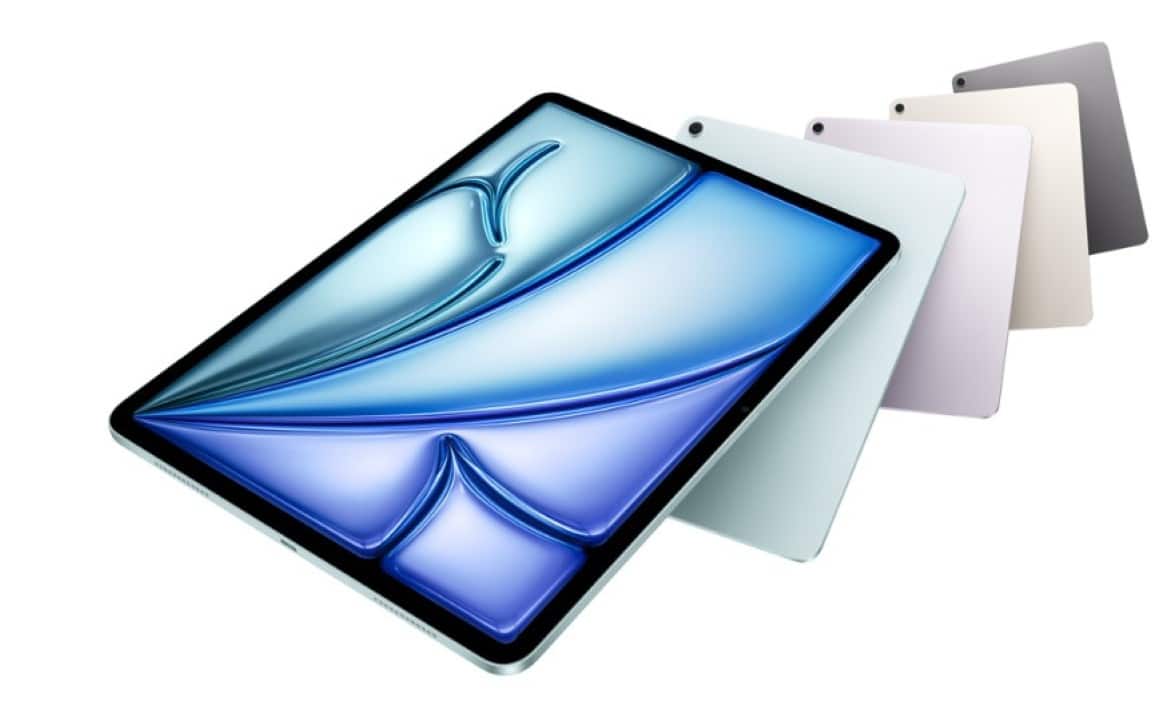
The main new features presented to the consumer public include the following specifications:
– Processador A19 built with three nanometer technology for the smartphone.
– 48 megapixel main Câmera with high spatial resolution recording capability.
– Inclusão of the M4 chip in the tablet, providing significant gains in processing speed.
– Native Suporte for new software tools based on neural networks.
The arrival of these devices redefines the brand’s premium intermediate segment, offering technical specifications that were previously exclusive to the more expensive versions. The pre-sales of the devices already have scheduled dates for several international markets, with physical distribution in physical stores and retail partners taking place in the weeks following the official announcement.
Technical specifications of the new smartphone
The new model arrives on the market equipped with the A19 processor, a piece of silicon developed with three nanometer lithography. Essa architecture allows for greater transistor density in a reduced footprint, resulting in optimized power consumption and superior performance in everyday tasks and demanding applications. The engineering behind the chip aims to ensure that the device performs complex processes without excessive overheating.
The device’s screen is 6.1 inches and has second generation Ceramic Shield protection, a material designed to resist falls and scratches more effectively than conventional glass. The display maintains standardized refresh rates, focusing on color accuracy, deep contrast and maximum brightness for comfortable viewing even in outdoor environments with strong sunlight.
The rear camera system is led by a 48 megapixel main sensor, accompanied by a lens that offers two times optical zoom without loss of quality. The photographic set is capable of recording spatial videos and supports the 4K recording format, ensuring clarity in different lighting conditions and allowing the capture of images with a high level of detail for later editing.
Battery and charging features
Power autonomy received special attention during the device’s development, with the implementation of more efficient internal components that reduce battery drain during standby mode. The device supports updated MagSafe technology, which facilitates magnetic alignment with compatible accessories and improves the stability of wireless charge transfer on the back of the device.
The fast charging system allows the battery to reach half of its total capacity in approximately thirty minutes, when connected to a power adapter with adequate power. Essa functionality meets the demand of users who need quick energy replacement during intense daily use, minimizing the time the device needs to be connected to the electrical network.
Hardware update in the tablet segment
The brand’s new tablet incorporates the M4 processor, the same silicon component used in the manufacturer’s own high-performance portable computers. The transition to this chip represents a substantial leap in graphics processing capacity and the execution of multiple applications simultaneously, changing the way the device handles video editing and three-dimensional modeling software.
The device has twelve gigabytes of RAM, a technical specification that guarantees fluidity when browsing the web with multiple tabs open and when handling large files. The speed gain of the central processing unit reaches fifty percent compared to the previous generation, while the graphics processing unit presents a thirty percent advance compared to the M3 chip.
The device’s front camera was repositioned to the horizontal edge, a design change requested by users who use the device coupled to physical keyboards on tables or desks. Essa geometric change significantly improves face framing during video calls and virtual conferences, maintaining more natural eye contact with the lens.
The model maintains compatibility with external accessories from recent generations, such as high-precision digital pens and cases with an integrated trackpad, consolidating its position as a versatile tool aimed at daily productivity, media consumption and the creation of visual content on the go.
Integration of advanced operating systems
The newly announced devices operate under the latest versions of their respective operating systems, iOS 26 and iPadOS 26, designed specifically to maximize the use of embedded hardware. The software architecture allows data processing to occur mostly locally, directly on the device, ensuring greater privacy for the user and speed in executing voice commands. Virtual assistance tools have been completely redesigned to understand complex contexts, maintain conversation history and interact more fluidly with installed applications, executing actions in multiple steps without the need for constant manual intervention.
The software platform offers integrated text and image editing capabilities based on advanced algorithms, capable of summarizing long documents, suggesting appropriate responses to emails or changing visual elements of photographs with just a few taps on the screen. Além Additionally, file organization and searching for information within the system has been improved, making it easier to find specific documents, old messages, and media through detailed semantic descriptions rather than relying solely on exact words or memorized file names.
Pricing strategy and market positioning
The commercial positioning of the new devices reflects a maneuver by the manufacturer to balance cutting-edge technological innovations with competitive values within its own product line. The smartphone has a suggested starting price of R$5,799 for the base version, which now has 256 gigabytes of internal storage, eliminating the lower capacity option of previous generations. Esse value puts it in direct competition with premium devices from competing brands that operate in the same market segment. The pricing strategy aims to attract consumers who want advanced features, such as high-resolution cameras and fast processors, without the need to invest in models in the Pro line, which have considerably higher costs. The company has also officially confirmed that the phone will receive full operating system updates for a minimum of four years, ensuring software longevity, compatibility with future applications and continued security of customer data. Essa extended support policy is a determining factor in retaining users in the brand’s ecosystem and maintaining the high resale value of equipment in the used device market.
Sustainability and manufacturing materials
The construction of the devices uses a significant percentage of recycled materials, including recovered aluminum in the main housing and reused rare earth elements in the internal magnets of the speakers and charging system. The initiative is part of the company’s environmental commitment to reduce the extraction of virgin ores and reduce carbon emissions throughout its global production, assembly and logistics chain.
Resistance and durability of equipment
The smartphone has international certification for resistance against water and dust, allowing accidental submersion in liquids without causing irreversible damage to internal electronic components. Reinforced sealing protects connection ports, side buttons, and audio outputs from ingress of solid particles and excessive moisture.
The tablet also features structural improvements to its metal chassis, designed to withstand constant handling in different environments, from corporate offices to busy classrooms. The physical durability of the devices is complemented by the robustness of the internal assembly, which minimizes the risk of mechanical failures in situations of prolonged use and daily transport in backpacks or bags.



