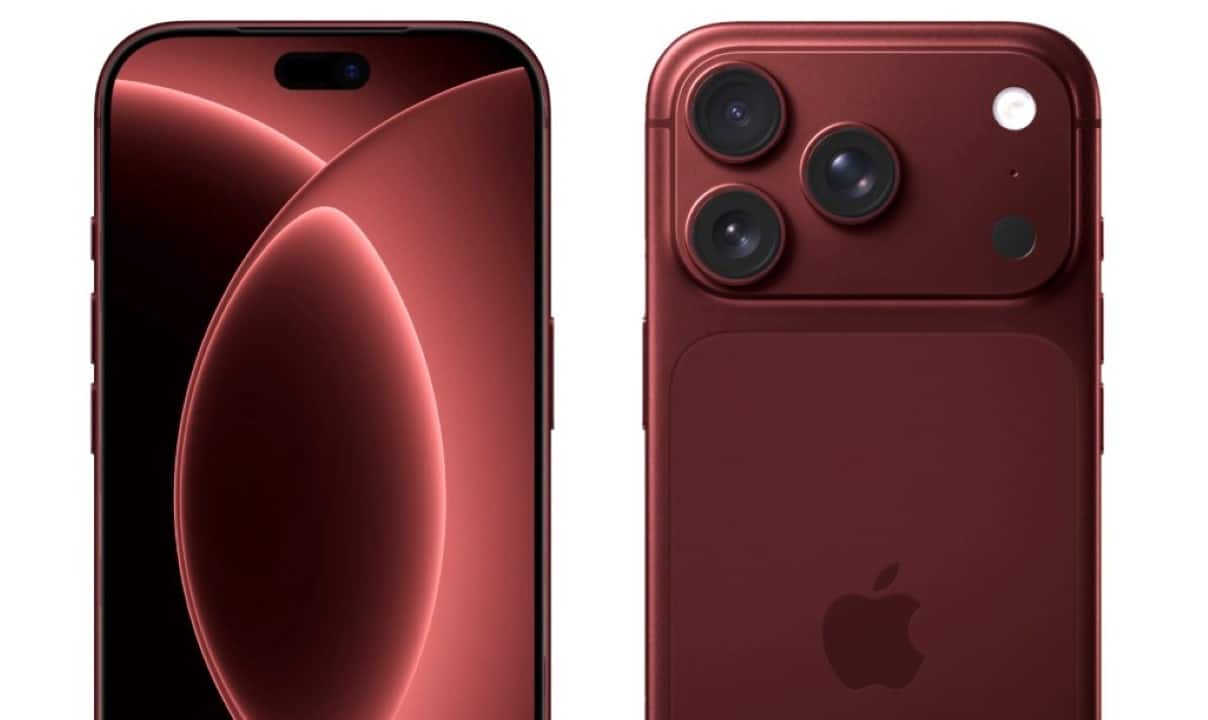
The North American electronics manufacturer is preparing to launch a new generation of high-performance smartphones for the month of September. The model focused on the professional segment will bring a drastic visual overhaul, highlighted by the inclusion of a semi-transparent rear panel and a battery with a capacity of more than five thousand milliampere-hours. The change requires a complete restructuring of the device’s internal engineering.
The development of this device involves relocating critical components such as the motherboard and heat dissipation systems. The transparency of the rear glass forces the company to create an internal design that is not only functional, but also aesthetically pleasing to the consumer, as the parts will be visible.
The mobile technology industry is following the movement closely, as the large-scale adoption of translucent materials represents a considerable logistical and manufacturing hurdle. The project aims to attract consumers looking for visual innovation combined with cutting-edge technical specifications in the telephone market.
Visual evolution and production costs in the industry
The decision to adopt a semi-transparent back rescues a classic aesthetic concept of personal computing, now applied with materials of extremely high resistance and industrial precision. The development of this special glass requires complex chemical processes to prevent yellowing over time and ensure durability against everyday drops and scratches. The materials engineering team works to create an alloy that offers severe structural protection without compromising the visibility of internal components, which have been meticulously organized for display.
All this research into new materials has a direct effect on the Asian supply chain, which is already adapting its assembly lines to deal with unprecedented manufacturing demands. Suppliers face the need to produce internal parts with superior finishing, as they will be exposed to the eyes of the end user. Consequentemente, the high costs associated with this technological innovation and aesthetic refinement should be reflected in the final price of the product on the shelves, positioning the device at the top of the luxury category in the electronics sector.
Internal engineering and energy capacity
Autonomy of use is one of the pillars of this new generation, with the implementation of a battery that reaches the 5200 milliampere-hour mark. Este energy storage volume represents the largest capacity ever included in a branded phone, specifically designed to support the demands of new processors and high-brightness screens during continuous use.
To accommodate a power cell of such proportions without drastically increasing the thickness of the metal chassis, the manufacturer made the decision to completely eliminate the tray for physical carrier chips in all global markets. The device will rely solely on virtual chip technology, freeing up valuable internal space for battery expansion.
Space optimization and advanced cooling
The device’s logic board underwent an extreme miniaturization process, using high-density component packaging techniques. Essa reducing the size of the main board is essential to make room for the new battery and organize the internal layout that will be visible through the rear glass of the smartphone.
Thermal management has also been completely redesigned to prevent overheating during intense processing tasks. The system now incorporates graphene plates and an enlarged vapor chamber, ensuring that the heat generated by the processor is dissipated quickly and efficiently, maintaining stable performance in any situation.
Display evolution and edge reduction
The screens of the new devices will feature dimensions of 6.3 inches for the standard version and 6.9 inches for the extended size model. The organic light-emitting diode panels continue to offer high refresh rates to ensure fluid navigation transitions.
A significant advance in the front design is the drastic reduction of the edges around the bright display. The application of new screen encapsulation technologies allowed us to maximize the usable viewing area, delivering a superior immersive experience in media consumption.
The facial recognition sensors and front camera have been repositioned under the main screen. Essa engineering change results in a decrease of approximately thirty-five percent in the area occupied by the top cutout, freeing up more space for the operating system.
Artificial intelligence and memory processing
The smartphone’s processing power is driven by a chip manufactured using two-nanometer lithography. Essa microscopic architecture allows the inclusion of a massive number of transistors, resulting in a significant leap in speed and energy efficiency.
The main focus of this new semiconductor is to perform artificial intelligence tasks directly on local hardware. The built-in neural engine has been expanded to process complex machine learning algorithms without the need to send data to external servers.
To support the volume of data required by these advanced operations, random access memory has been expanded to twelve gigabytes. Essa capacity ensures that multiple heavy applications remain open in the background without compromising the fluidity of the device.
– The combination of hardware enables unprecedented features, such as real-time video editing, generation of three-dimensional graphics and simultaneous translation without an internet connection, consolidating the device as a robust work tool.
Innovations in the camera system and satellite communication
The photographic set receives mechanical and software updates, with emphasis on the introduction of a variable aperture system in the main lens. Este physical mechanism allows the camera to adjust the amount of light that reaches the sensor continuously, substantially improving image capture in low-light environments and offering more precise control over depth of field. Aliado In addition, the satellite communication module was improved with antennas with greater range and signal stability. Space network infrastructure now supports not only sending emergency messages, but also making short voice calls and transmitting media files in remote regions where there is no traditional cellular coverage. Essa functionality transforms the device into a vital communication tool for professionals working in isolated areas and rescue teams, expanding the device’s usefulness beyond urban centers and ensuring connectivity in extreme situations.
Supply chain preparation
Mass production of key components is scheduled for the second quarter to ensure the volume needed for global launch. Partner automakers complete mechanical stress tests and quality control to ensure that the new structure meets the standards required by the high-end market.
