Apple surprises with standardized design that allows components to be exchanged between iPhone 17e and 16e

The technical disassembly carried out by the iFixit team this Tuesday, March 17, 2026, revealed that the new iPhone 17e has an internal architecture almost identical to that of its predecessor. Repair experts discovered that the back cover and several internal components of the current model are fully compatible with the iPhone 16e, defying the parts exclusivity logic commonly seen in Apple launches. Esta standardization suggests a hardware continuity strategy that facilitates maintenance and access to supplies for independent repairers in many regions of the world.
The in-depth analysis demonstrated that the engineering applied to the iPhone 17e prioritized modularity, allowing the device’s rear casing to fit seamlessly into the chassis of last year’s model. Durante the practical tests, the team of technicians managed to physically exchange the parts and found that the hardware recognizes the connections immediately, maintaining the structural integrity of the original device. Tal discovery is considered a milestone for brand enthusiasts, as it allows the implementation of physical resources that were previously limited to specific hardware versions.
The main components identified as interchangeable between generations include items that are fundamental to the day-to-day functioning and longevity of the product on the global market. The list below details the elements that showed full or partial compatibility during laboratory tests conducted by iFixit:
- Back cover complete with magnetic connectors;
- Main logic board (with software restrictions);
- Battery modules with easy removal system;
- Charging connectors and flexible interface cables;
- Screen fixing structure and sealing components.
The possibility of using parts from the newer model to meet the maintenance demands of older devices can significantly reduce the final cost for the consumer. The reuse of components between generations also contributes to a more sustainable supply chain, avoiding the premature disposal of casings and functional parts that still have a long useful life.
MagSafe functionality and hardware adaptations
One of the most talked about points during the disassembly process was the possibility of bringing MagSafe magnetic charging to the previous model by replacing the rear cover. The iPhone 17e already has this native support, and installing its back on the iPhone 16e allowed the wireless charging system to physically work without the need for complex adaptations or welding. The magnets align perfectly with the official accessories, offering a solution to one of the most frequent criticisms made of the affordable model previously released by the manufacturer.
Despite the success in physical assembly, software integration presents barriers that prevent the full experience of the Apple ecosystem on hybrid hardware. The operating system does not display traditional MagSafe recognition animations when the part is changed, indicating that the firmware is still looking for specific digital signatures to validate the accessory. Além Additionally, the actual power transfer power remains uncertain in these cases, since load management is controlled by the logic board, which may limit speed for safety.
Learn more: Apple accelerates production of the iPhone 17e and develops new Air model with dual camera system
Technical restrictions when exchanging logic boards
Replacing the logic board between the iPhone 17e and iPhone 16e proved technically possible due to the identical design of the sockets and power connectors. Technicians were able to turn on the device and navigate the system’s basic functions, confirming that the pinouts and voltage of peripheral components remain unchanged between the two hardware versions. Essa characteristic is rare in modern mobile devices, which tend to undergo millimetric changes with each cycle to force the obsolescence of old parts.
However, the Face ID biometric security system presented critical failures after changing the main components, becoming completely inoperative in the new arrangement. The Apple uses a cryptographic pairing protocol that links the facial recognition sensor to the original factory logic board, preventing replacements without official calibration tools. Portanto, although the cell phone works for common tasks, the lack of biometrics represents a significant obstacle for users who depend on digital security for banking transactions and quick unlocking.
Device repairability and maintenance note
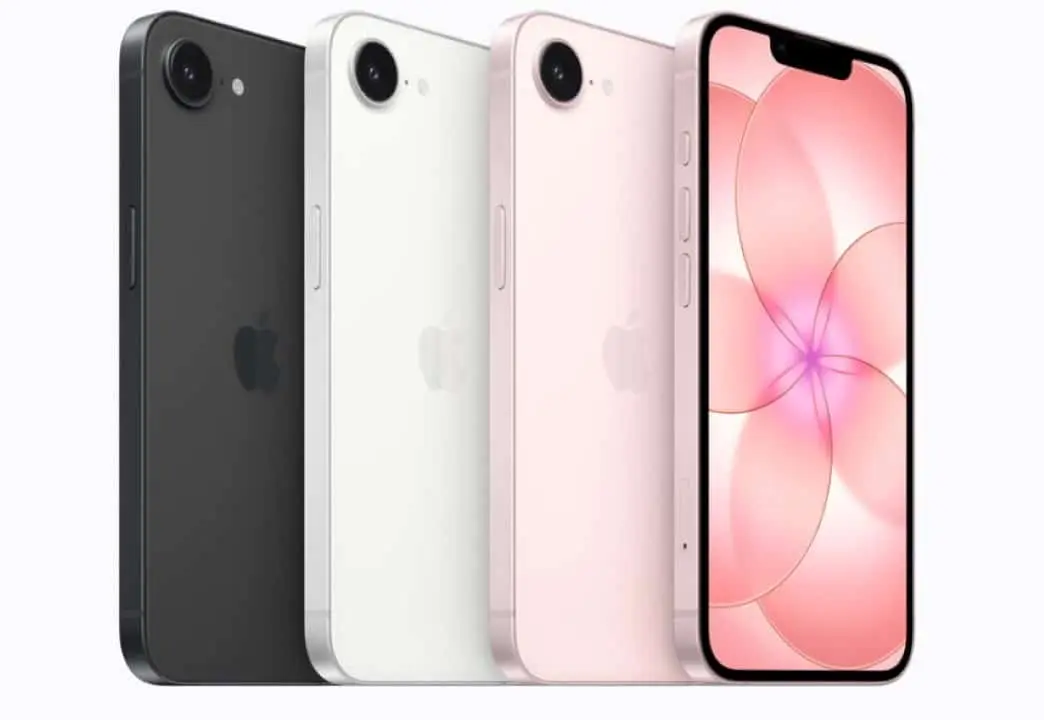
The final repairability score given to the iPhone 17e was 7 out of 10, an index considered high by current standards in the premium smartphone industry. iFixit positively highlighted the fact that the device allows opening from both the front and back independently, which reduces the risk of the screen breaking during simple battery repairs. The easy access to internal components places the model in a prominent position for consumers looking for a product with longer physical technical support time.
The battery also received praise for utilizing an easy-release adhesive, eliminating the need for harsh chemical solvents or prying tools that could puncture the power cell. Essa change in internal design reflects an adaptation to new international regulations that require batteries that are easier to replace by ordinary users or technicians. With the compatibility of parts between generations, the availability of components in the replacement market should be greater, ensuring that basic repairs are carried out quickly.
Full coverage: News (EN)
See Also


Visual identity and external structural similarities
Visually, the two devices are practically indistinguishable, maintaining the same screen dimensions, edge thickness and positioning of the side volume and power buttons. Essa aesthetic maintenance justifies the ease with which external parts are exchanged between models without generating misalignments or sealing failures against water and dust. The use of the same structural base allows Apple to optimize its production lines, using molds and manufacturing processes already consolidated in previous years.
The decision to maintain the conservative design directly impacts the accessories market, such as protective covers and films, which remain fully compatible between the iPhone 17e and 16e. Para the retail sector, this standardization simplifies inventory management and ensures that consumers can find adequate device protection at any point of sale from launch day. The visual continuity also reinforces the identity of the affordable line, differentiating it from the Pro versions, which tend to receive more drastic changes in materials and finishing.
On the same topic: MacBook Neo receives a 6/10 rating from iFixit for high repairability, with easy access to USB-C, battery and speakers
Impact on national production strategy
The announcement of the manufacturing of the iPhone 17 in Brazilian territory marks an important change in the company’s distribution logistics for the América Latina market. With local production, the availability of original parts for the 17e model is expected to be even greater in authorized service centers within the country. The component standardization discovered by iFixit can speed up the training of local technicians who are already familiar with previous generation in-house assembly, reducing wait times for official repairs.
This strategic move can also influence the final price of spare parts in the Brazilian market, since nationalization reduces import costs and taxes on electronic components. Unifying hardware across generations allows factories to maintain a more stable and long-lasting production line of basic components. Para the local consumer, this means that investing in an updated model does not invalidate the knowledge and resources accumulated with the technology used in the previous year.
Thermal efficiency and arrangement of internal components
In addition to external compatibility, the teardown revealed that the iPhone 17e’s heat dissipation system follows the same efficient layout seen in the iPhone 16e. The graphite plates and internal heatsinks are positioned over the processor and memories to ensure that heat is quickly conducted to the aluminum casing. Mesmo In intense processing tasks, the device’s thermal stability remains within the safety standards established by the manufacturer in laboratory tests.
The internal organization of the cables is clean and avoids unnecessary overlaps, which facilitates diagnostic work for microelectronics professionals. Cada subconjunto de peças é fixado por parafusos de tamanhos padronizados, embora ainda exijam chaves específicas comuns no ecossistema da marca. Essa clareza na montagem interna é um dos fatores que contribuíram para a nota positiva de reparabilidade, destacando o esforço de engenharia em criar um produto que não seja descartável após o primeiro defeito técnico fora da garantia.
Unified hardware performance considerations
Although the physical part is shared, the iPhone 17e brings subtle updates to sensors and secondary components that improve the overall energy efficiency of the system. The use of the old structure did not prevent the inclusion of new connectivity technologies that guarantee a longer technological useful life for those who purchase the model now. The combination of a tested chassis with new internal components results in a balanced product that offers solid performance without the risk of design flaws common in completely new designs.
More on this story: MacBook Neo has glueless design and easy internal access in recent teardown
The technology industry is closely watching this movement towards hardware reuse, which could become a trend for entry-level models from other global manufacturers. By focusing on improving specific components rather than redesigning the device from scratch, companies are able to deliver reliable, more competitively priced devices in emerging markets. The iPhone 17e thus establishes itself as a pragmatic option for those who prioritize ease of maintenance and the robustness of hardware already widely validated by experts and users.