
Chinese automaker GWM readjusts price list for the Haval H6 line in the Brazilian automotive market

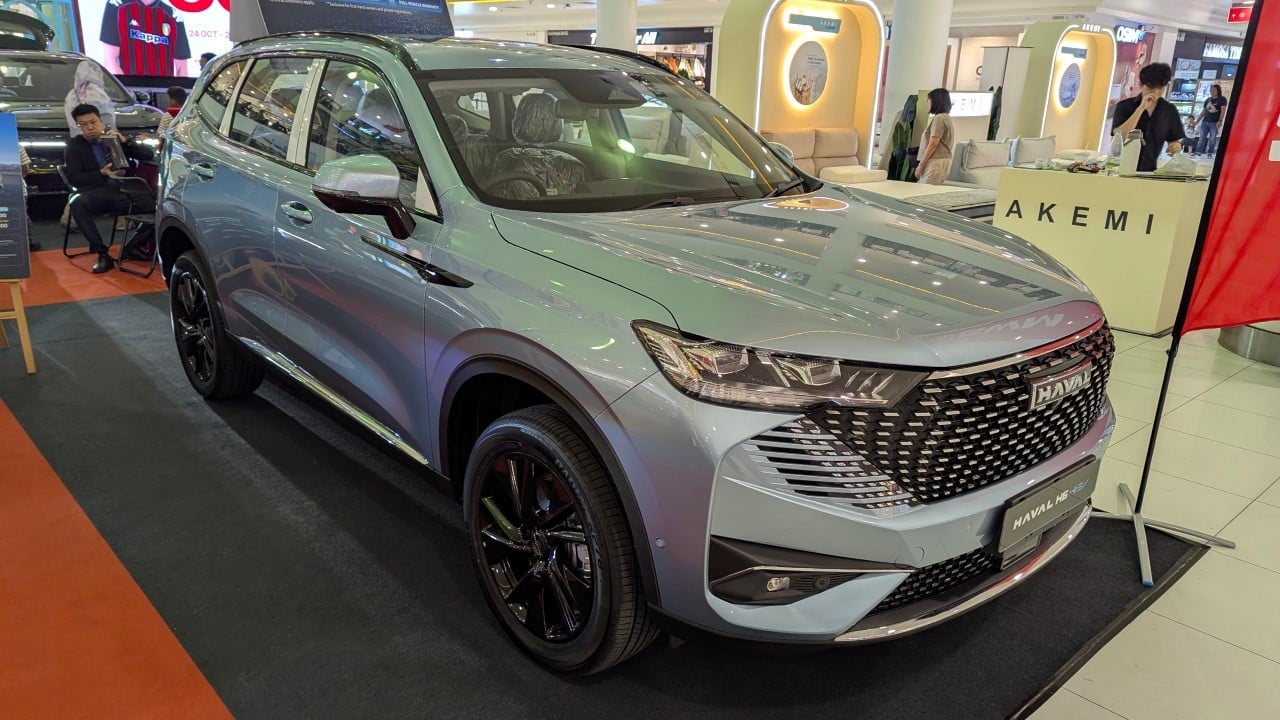
The Asian vehicle manufacturer officially updated the values charged for its main family of sports utility vehicles sold in the country. The readjustment applied affects all configurations available in dealer catalogues, from the entry-level option to the model with a sportier appeal. The change in the table reflects a transition in the brand’s strategic planning, which is preparing to begin local assembly of its cars.
The standardized increase was established at one thousand reais for each of the variants offered to consumers. The decision to maintain a linear increase seeks to preserve the vehicles’ competitive positioning against direct rivals in the electrified SUV segment. The measure occurs at a time of exchange rate fluctuations and the gradual recovery of import tariffs for cars powered by alternative energy.
Customers looking to purchase utilities will find the following main configurations in stores:
– Variante self-loading machine with a focus on urban efficiency.
– Opção plug-in with intermediate capacity battery.
– Versão long-range plug-in with improved traction.
– Modelo with coupe body and exclusive design.
Commercial strategy and market fit
The change in table values represents a movement calculated by the automaker’s management to balance operating costs before the transition to national manufacturing. The financial transfer was contained as much as possible to avoid a demand shock among potential buyers.
The automotive sector is going through a phase of tax adjustments that directly affects products brought from abroad. The company chose to absorb a large part of this fiscal impact, passing on only a minimal fraction to the final window price.
This containment tactic aims to ensure that the volume of registrations continues on an upward trend. Maintaining financial attractiveness is essential to sustaining the market share achieved over the last few months of operation.
The brand’s executives constantly monitor the actions of competing manufacturers, adjusting their profit margins so as not to lose ground. Price stability, even with the slight increase, provides security for investors and the distributor network.
Input model technical specifications
The initial configuration of the line, known as HEV2, started to be sold for 224 thousand reais. Este vehicle uses a conventional hybrid system that eliminates the need for recharging from external sockets, operating autonomously to manage energy use.
The mechanical package combines a 1.5-liter turbocharged combustion engine with an electric drive, delivering a combined power of 243 horsepower and 55 kgfm of torque. The compact 1.6 kWh battery recovers energy during braking and deceleration, optimizing fuel consumption in urban traffic.
Performance of intermediate versions
For consumers who require greater electrical autonomy and the possibility of recharging from the electricity grid, the PHEV19 variant appears as the intermediate option, now priced at 240 thousand reais. Este model raises the performance bar by offering 326 combined horsepower, allowing for more vigorous acceleration and more dynamic driving on highways. The main advantage of this configuration lies in its higher density battery, which guarantees the ability to travel up to 110 kilometers using exclusively electric propulsion, ideal for daily trips without consuming gasoline.
Just above, the PHEV35 configuration caters to an audience looking for maximum performance and all-wheel drive, with the price updated to 280 thousand reais. The powertrain of this version is capable of generating an impressive 393 horsepower and a robust torque of 77.8 kgfm, numbers that rival vehicles in higher categories. Além of brute force, the expanded battery provides an electric range of up to 119 kilometers, providing versatility for longer trips and ensuring energy efficiency even when the battery charge reaches minimum levels.
Positioning of the high-end version
The GT variant, which crowns the utility range with its coupe silhouette and steeply sloping roof, reached a price of 326 thousand reais. Este model shares the same 393 horsepower mechanics as the PHEV35 version, but is differentiated by a firmer suspension setup, resized brakes and a design focused on sportiness, attracting buyers who value bold aesthetics and visual exclusivity on the streets.
Nationalization and production in the interior of São Paulo
The industrial complex located in Iracemápolis, in the state of São Paulo, is undergoing an intense modernization process to house the assembly lines for electrified vehicles. The manufacturing unit, acquired from a luxury German brand, is being adapted to meet the rigorous quality standards required by the new owner.
The expectation is that local production will reduce logistical dependence on cargo ships and minimize exposure to exchange rate variations. Manufacturing on national soil will also facilitate the supply of spare parts and speed up after-sales service.
The start of operations at the São Paulo factory marks the automaker’s long-term commitment to the region’s technological development. Hiring specialized labor and promoting the local supply chain are crucial steps in this industrial timeline.
Special conditions for the PwD public
Consumers who comply with the rules for Pessoas with Deficiência (PwD) continue to have access to different purchasing conditions, even after the table has been updated. The manufacturer structured a direct sales program that combines tax exemptions provided by law with bonuses granted by the factory itself.
This combination of discounts can result in a reduction of up to 35 thousand reais in relation to the price charged in traditional retail. Para To take advantage of the benefit, the customer must present medical reports and government authorizations to the dealerships, which have trained teams to assist in the entire bureaucratic process.
Impact on sales and direct competition
The acceptance of the sports utility vehicle line in the Brazilian market exceeded the parent company’s initial projections, registering more than 32 thousand units sold in the previous year alone and surpassing the mark of 42 thousand vehicles since its official launch. Esse sales volume consolidated the brand as one of the main forces in the electrified car segment, disturbing traditional manufacturers that had dominated the category for decades. The strategy of offering a rich equipment package, advanced driving assistance technology and an efficient hybrid system proved to be right for the local consumer profile. With the imminent nationalization and the maintenance of an aggressive pricing policy, the automaker is establishing a solid foundation to expand its portfolio in the coming years, preparing the ground for the introduction of new models, including pickup trucks and SUVs of different sizes, which should further intensify the competition for the preference of drivers seeking the transition to sustainable mobility.



