
Evaluation shows that Apple’s A19 Pro processor outperforms remote servers in reading data

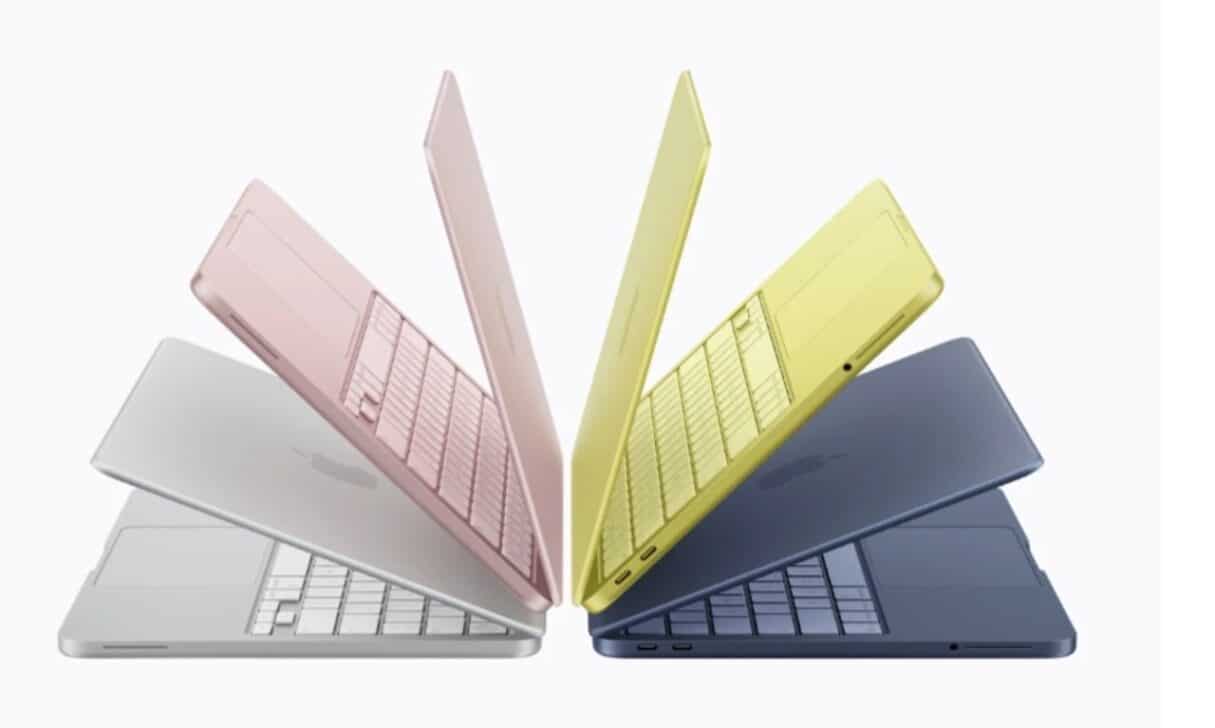
The North American manufacturer’s new entry-level portable computer, equipped with the brand’s latest processing component and 512 GB of internal storage, recorded unexpected metrics in workload evaluations. An information systems specialist structured a rigorous battery of technical measurements to compare the physical machine with high-capacity remote infrastructures available in today’s corporate market.
The central objective of the survey was to map the behavior of equipment aimed at the end consumer when subjected to tasks designed specifically for scalable data centers. The measurements utilized methodologies standardized by the global technology industry to ensure the absolute accuracy of the information collected during stress test runs.
Preliminary results showed that the developed silicon architecture can maintain a highly competitive operating rate in specific computationally demanding scenarios. The focus of the analysis was on the device’s ability to manage large volumes of records without presenting critical system failures or immediate processing bottlenecks that would compromise the use of the machine.
Analysis of physical equipment against cloud instances
To establish a fair and accurate technical comparison, the tests used tools widely recognized in the corporate sector for measuring efficiency in relational databases. The first evaluation platform was configured to perform filtering and aggregation operations on tables containing 100 million record rows, requiring high read throughput from the storage disk. Já the second protocol applied a set of 99 complex queries, designed to demand the maximum memory capacity and processing core of the machines evaluated simultaneously, simulating a real business environment.
The testing environment included the computer’s input configuration, which operates with a solid state disk soldered directly to the main board, ensuring direct communication with the central unit. On the remote server side, the first instance selected for the clash was a virtual machine equipped with 16 processing cores and 32 GB of random access memory, standard in many companies. The second instance raised the bar for comparison, using large hardware with 192 cores and 384 GB of memory, representing the top of the line commercial infrastructure available for lease.
Read speed in direct disk operations
During the initial run phase of the filtering benchmark, technically known as cold run, the portable computer performed substantially better than the remote instances evaluated. The device completed all scheduled queries in less than a minute of continuous processing, surprising analysts responsible for monitoring hardware performance metrics.
This mark established a time up to 2.8 times faster than cloud servers tested under exactly the same technical conditions and with the same database. Engenheiros software point out that this initial advantage arises from the system’s unified architecture, which minimizes the physical and logical distance between the main processor and the file storage unit.
The superiority in primary access is directly linked to the use of the high-speed local storage component, which eliminates the need for network traffic to retrieve heavy information. Servidores cloud systems rely on virtual disks connected through routers and internal data center cables, which invariably introduces latency in the response time during the first request for a data packet.
Although the disk of the tested equipment is not the fastest component available on the global hardware market for personal computers, the absence of intermediaries in internal communication guarantees almost instantaneous reading. Esse structural technical factor allows it to surpass remote infrastructure in first-request tasks consistently and with a high margin of operational safety.
Operating system behavior in advanced calculations
The transition to the second test protocol required much greater sophistication in resource management by the main processor during the execution of programmed routines. On smaller scales of information processing, the equipment maintained an average query time fixed at 1.63 seconds, demonstrating extreme agility in resolving advanced mathematical calculations required by the measurement software.



The operating system managed the tasks fluidly, allowing the initial testing cycle to be completed in approximately 15.5 minutes of continuous, uninterrupted operation. The performance recorded in this specific stage highlights the chip’s ability to manage multiple simultaneous instructions without presenting crashes in the user interface or noticeable slowdowns in the execution of processes in the background.
The processor architecture managed to distribute the workload efficiently between the high-performance cores and the cores focused exclusively on the system’s energy efficiency. Essa dynamic and intelligent distribution prevented premature thermal throttling during routine database operations, ensuring machine stability throughout the entire technical evaluation procedure.
Virtual memory management under maximum load
When the workload was increased to extreme levels of demand, the physical limitations imposed by the equipment’s restricted amount of random access memory became evident to the evaluators. To avoid total system collapse during massive processing, the software had to resort to the secondary allocation technique, using up to 80 GB of space on the solid state disk as temporary virtual memory to house the files in use.
Despite the severe load generated on the internal storage bus, the deep integration between the hardware and the operating system allowed the task to be completed without critical interruptions or data loss. The process extended the total time of the heaviest operation to 79 minutes, but the ability to complete a routine of this magnitude proves the resilience of the architecture in the face of complex scenarios that would normally cause incoming computers to crash.
Temperature control over long periods of use
The thermal design of the new processor demonstrated significant evolution in relation to previous generations of semiconductors developed by the same manufacturer for the line of portable computers. In previous laboratory tests performed on smaller mobile devices, the same component required extreme cooling methods to maintain high frequencies under maximum continuous processing load.
In the laptop chassis evaluated, the heatsink system proved to be fully sufficient to maintain consistent performance over long periods of time without overheating the external casing. Optimizing energy consumption allowed the device to deliver high performance with considerably less electrical expenditure than that of a traditional data processing center, reinforcing the efficiency of the architecture.
Financial viability for software engineering teams
The dynamics of the results underwent a drastic change when the tests advanced to the execution phase with data preloaded into memory, a scenario in which cloud servers demonstrated the raw power of their superior technical specifications. The larger instance, using its 384 GB of volatile memory, completed the tasks in a mere 4.35 seconds, while the local computer required 54.27 seconds for the same operation due to its lower capacity to retain active data. However, analysis of the technology market indicates that the ability of entry-level equipment to compete on isolated metrics with corporate servers changes the perception of cost-benefit for information technology departments. The ability to perform complex analyzes of large volumes of information locally drastically reduces dependence on cloud instances charged per hour of continuous use. Investment in local hardware presents itself as an economically viable alternative for independent developers and small engineering teams, democratizing access to high-performance tools that previously required robust budgets to rent remote infrastructure specialized in large-scale data processing.
Ecosystem reliability for uninterrupted routines
The physical and logical integrity of the equipment under continuous maximum load consolidates its position as a reliable work tool for intense information processing flows. The absence of severe performance degradation after more than an hour of operation at the thermal limit highlights the maturity of the software ecosystem running natively on the current silicon architecture, supporting code compilation and metrics analysis routines without compromising the long-term durability of the machine’s internal components.
Veja Tambem em News (EN)

Research reveals that parents are unaware of how their children use artificial intelligence

Samsung releases new system update with new features for Galaxy Watch 4 users

Digital retail reduces the value of the Galaxy S25 5G smartphone with bank bonuses and device exchange

Amazon’s wireless CarPlay adapter has a 50% discount and high approval ratings from drivers

Zach Cregger’s new Resident Evil ignores games and focuses on an unprecedented story with new characters

Rumor suggests that Nintendo is preparing a special edition of the Switch 2 with a remake of Ocarina of Time

Apple accelerates production of the iPhone 17e and develops new Air model with dual camera system

Epic Games platform releases twelve high-budget games at no permanent cost for PC users

PlayStation 5 Pro price drop accelerates digital retail sales and eliminates global stocks

New Galaxy Watch 9 firmware appears on server and confirms progress in software development

Apple’s commemorative project tests cell phone with 1.1 millimeter edge and curved screen for 2027
