
NASA scientists issue warning about return of El Niño phenomenon Godzilla with extreme heat

The climate phenomenon known as El Niño Godzilla returned to the global spotlight this March 2026, following the release of alarming reports by space and meteorological agencies. NASA, in conjunction with Administração Oceânica and Atmosférica Nacional (NOAA), detected an unprecedented rise in sea surface temperatures in the central and eastern equatorial Oceano Pacífico. Essa extreme variant of the traditional El Niño is characterized by a vast and profound warming of waters, capable of destabilizing patterns of winds and air masses on a planetary scale almost immediately.
Climatology experts say that the intensification of this event occurs at a time of heightened environmental vulnerability, with the heat accumulated in the oceans reaching critical levels. The phenomenon drastically changes the distribution of moisture in the atmosphere, causing a domino effect that results in severe droughts in some regions and catastrophic floods in others. The speed with which these changes are manifesting has surprised monitoring teams, who are now working to predict the exact duration of this acute thermal phase.
The practical consequences of El Niño Godzilla are already beginning to be mapped by governments and international organizations to mitigate human and economic losses. In the agribusiness sector, rainfall instability threatens entire grain harvests, while the urban infrastructure of coastal cities faces the challenge of temporary sea level rise and violent storm surges. Organização Meteorológica Mundial emphasizes that the event should not be seen in isolation, but as a catalyst that enhances the effects of climate change that has already been underway since the last century.
- Sudden rise in the global average temperature in a short period of time.
- Change in the flows of the jet streams that guide cold and warm fronts.
- Increase in the frequency of forest fires due to low soil moisture.
- Overload on energy systems due to high demand for refrigeration.
- Increased risk of proliferation of vector-borne diseases in flooded areas.
Satellite monitoring reveals deep ocean warming
The most recent data obtained by NASA’s satellite network shows that the warming of waters is not just superficial, reaching deeper layers of the Pacífico. Esse volume of hot water acts as an immense reservoir of energy, which is gradually released into the atmosphere, altering the formation of storm clouds. Thermal images indicate a heat patch that extends for thousands of kilometers, signaling that the power of this event may surpass historical records from previous years.
The ocean buoys installed along the equator confirm that the transfer of heat from the ocean to the air is occurring at an accelerated rate in the first quarter of 2026. Real-time monitoring is essential for meteorological models to be able to adjust short-term forecasts for the Norte and Sul hemispheres.
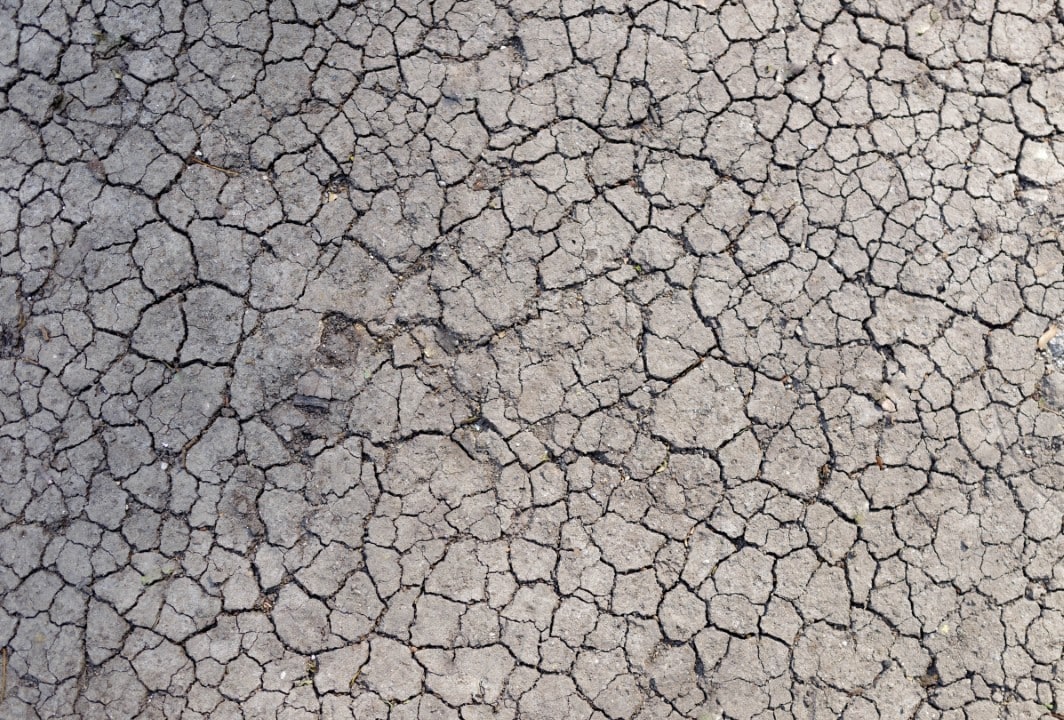
Direct relationship between the extreme phenomenon and the global climate crisis
Although El Niño is a natural and cyclical event, the current configuration of Godzilla is intrinsically linked to the heat trapped by greenhouse gas emissions. Desde the late 19th century, Terra absorbed a massive amount of thermal energy, and more than 90% of this excess was stored by oceans around the globe. Quando a strong El Niño occurs, it works as an escape valve, releasing this accumulated heat explosively in the troposphere.
This release of energy does not create global warming, but it serves as a powerful engine that accelerates the breaking of temperature records on every continent. The melting of polar ice caps and the loss of sea ice are direct consequences of this thermal “push” that the phenomenon provides to the Earth’s climate system. The synergy between the oceanic phenomenon and the long-term warming trend creates a scenario of uncertainty for the maintenance of sensitive ecosystems, such as coral reefs.
Government preparedness and public health risks
Organização Mundial of Saúde issued urgent announcements for national health systems to reinforce their care protocols for extreme heat waves. The increase in hospitalizations for dehydration and cardiovascular problems is a common metric during episodes of intense El Niño, especially among the elderly and children. Além Furthermore, the change in rainfall regimes favors the accumulation of stagnant water in urban areas, which can lead to outbreaks of diseases such as dengue fever and malaria in regions previously considered safe.



Contingency plans are also being reviewed to guarantee the supply of drinking water in metropolises that depend on reservoirs vulnerable to accelerated evaporation. The management of water resources becomes a strategic priority, since the production of hydroelectric energy can be compromised by the lack of flow in the main rivers. X__NM0____
Direct impacts on food production and the market economy
The global financial market is already showing volatility in the prices of agricultural commodities due to forecasts of crop failure related to El Niño Godzilla. Corn, soybeans and wheat are the most exposed crops, as they depend on specific rain cycles that are being interrupted by climate anomalies. The shortage of supply in key exporting regions can increase the cost of the basic food basket on an international scale, directly impacting inflation in developing and developed countries.
Experts in agricultural economics suggest that the adoption of irrigation technologies and the planting of more heat-resistant varieties are necessary measures to face the new climate reality. However, implementing these solutions requires investments that are often not available to small producers, increasing the risk of food insecurity. The scenario requires more robust international cooperation to stabilize food stocks and ensure equitable distribution during the period of the phenomenon.
Adaptation and resilience strategies for the immediate future
Cities around the world are investing in green infrastructure to try to mitigate the effect of heat islands intensified by the oceanic phenomenon. The mass planting of trees and the creation of green roofs are examples of actions that help reduce ambient temperatures in densely populated urban centers. Essas measures, although local, contribute to the resilience of populations in the face of a climate that is becoming increasingly unpredictable and extreme.
Integrating satellite data with early warning systems on mobile devices allows citizens to be informed about imminent risks of storms or excessive heat. Essa communications technology is vital to reducing the loss of life from severe weather events that occur without warning. Environmental education also plays a crucial role, enabling communities to adopt practices of conscious water and energy consumption during periods of water and thermal crisis.
Perspectives on the duration and weakening of the thermal event
Numerical climate prediction models indicate that El Niño Godzilla is expected to maintain its full strength through most of 2026, with a slow transition to neutral conditions. Não there are signs of a rapid weakening, which prolongs the state of alert for the infrastructure and civil defense sectors in several countries. The persistence of warm waters in Pacífico suggests that the next winter in the Southern Hemisphere could be one of the warmest ever recorded in modern history.
Scientists continue to analyze whether the frequency of these extreme events is increasing as a direct result of human activity and environmental degradation. The detailed study of the 2026 Godzilla will provide precious data to improve artificial intelligence models used in weather forecasting for decades to come. Enquanto the phenomenon is not receding, the top priority of global authorities remains the protection of human lives and the maintenance of the stability of fundamental production systems.
Veja Tambem em News (EN)

Research reveals that parents are unaware of how their children use artificial intelligence

Samsung releases new system update with new features for Galaxy Watch 4 users

Digital retail reduces the value of the Galaxy S25 5G smartphone with bank bonuses and device exchange

Amazon’s wireless CarPlay adapter has a 50% discount and high approval ratings from drivers

Zach Cregger’s new Resident Evil ignores games and focuses on an unprecedented story with new characters

Rumor suggests that Nintendo is preparing a special edition of the Switch 2 with a remake of Ocarina of Time

Apple accelerates production of the iPhone 17e and develops new Air model with dual camera system

Epic Games platform releases twelve high-budget games at no permanent cost for PC users

PlayStation 5 Pro price drop accelerates digital retail sales and eliminates global stocks

New Galaxy Watch 9 firmware appears on server and confirms progress in software development

Apple’s commemorative project tests cell phone with 1.1 millimeter edge and curved screen for 2027
