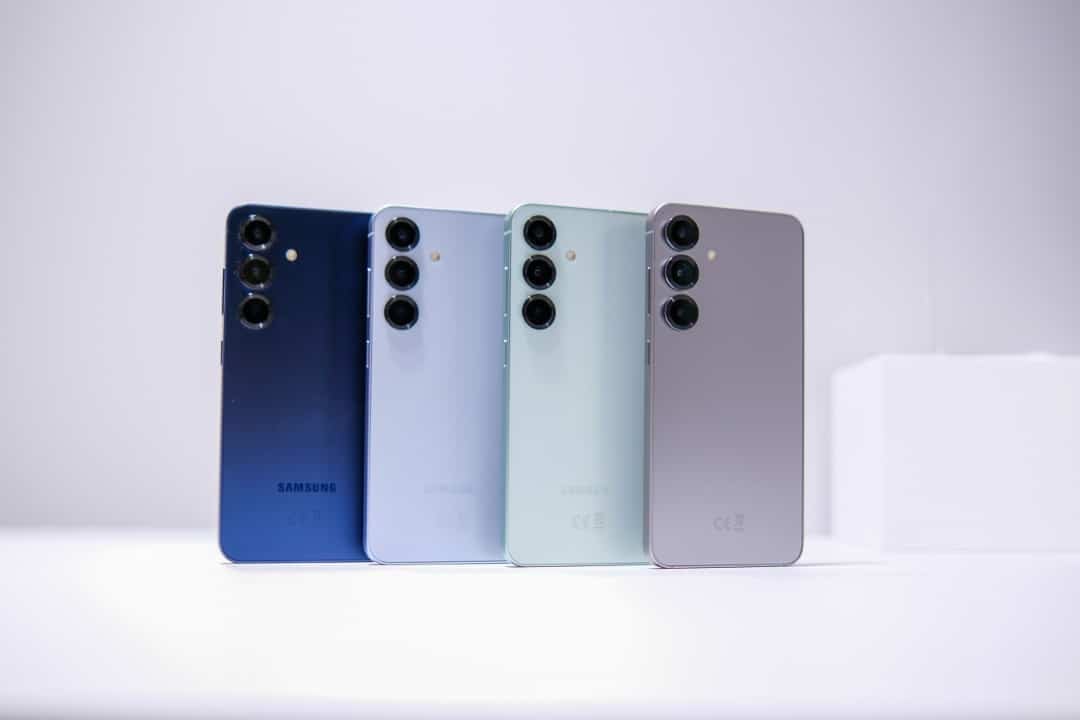
The South Korean manufacturer Samsung is preparing to launch a significant update for its portfolio of smartphones aimed at the average consumer. Informações behind-the-scenes footage and leaked images of commercial packaging indicate that the company will introduce generative artificial intelligence tools in a more affordable price category, changing the segment standard.
The leak of the retail boxes on social media confirmed the presence of the brand’s artificial intelligence seal, a previously unprecedented feature for this specific number of the device family. Especialistas in mobile technology monitor supply chain movements to validate complete software integration before the company’s formal announcement.
The main new feature of the device revolves around an automated audio transcription system. The functionality works directly to convert speech to text in real time or from previously recorded files, promising to optimize the routine of professionals and students who depend on accurate records in their daily activities.
Expansion of advanced features for the mid-range segment
The inclusion of intelligent transcription capabilities in an A-series model marks a change in the manufacturer’s software distribution strategy. Historicamente, these complex computing capabilities were restricted to S and Z line devices, which have a considerably higher acquisition cost on the global market. The decision to expand access demonstrates maturity in the optimization of algorithms, which can now operate efficiently on processors with more modest specifications and aimed at the general public.
Consumers looking for cost-effective devices now have access to a level of productivity that previously required high investments in cutting-edge hardware. The tool allows work meetings, university lectures and journalistic interviews to be documented without the need for simultaneous manual typing. Saving time and reducing cognitive effort during these activities represent the main attractions of this new phase of intermediary telephony, bringing the user experience closer between different price ranges.
Speech-to-text system operation
The transcription assistant operates in an integrated manner with the operating system’s native voice recording application. When starting a new audio capture, the interface presents dedicated icons that activate artificial intelligence features in the background, requiring little learning curve on the user’s part.
Sound processing analyzes speech clarity, filters out unwanted external noise, and begins converting phonemes into text characters almost instantly. The accuracy of the final result is directly linked to the quality of the capture, and it is recommended that the device is positioned close to the sound sources to avoid ambiguities in the interpretation of words.
The system not only transcribes words, but also has the ability to identify multiple interlocutors in the same environment. Quando two or more people talk, the software separates the speeches into distinct blocks, assigning visual markers to each participant recognized by the device’s microphone capture.
For audio files already existing in the cell phone’s memory, the procedure follows a similar import and analysis logic. Once the text is generated, the platform allows manual edits to correct any errors in the interpretation of technical terms, maintaining the original formatting with paragraph separations.
Technical specifications awaited for the new hardware
The hardware of the new smartphone must maintain the visual identity and proportions characteristic of previous generations, with updates focused on internal performance. Certificações issued by international regulatory bodies indicate the use of a 6.6-inch screen with advanced panel technology and Full HD+ resolution.
The rear photographic set follows the trend of multiple lenses for different image capture scenarios. Preliminary listings indicate a 50-megapixel main sensor, accompanied by an 8-megapixel ultrawide lens for wide-angle shots and a 5-megapixel macro camera for close-up details.
The internal storage capacity and RAM memory must have varied options to suit different consumer profiles. The fluidity of transcription and simultaneous translation tools requires a reasonable amount of volatile memory to keep processes active without choking during prolonged use.
Energy autonomy and accelerated recharge support
Continuous audio processing and the execution of complex algorithms require higher energy consumption than conventional telephone use. Para support this workload, the leaks confirm the maintenance of a power component with a capacity of 5,000 mAh, the current industry standard.
Support for accelerated recharging technologies also appears in the leaked documentation, with mentions of powers of up to 45 W.
Data Processing and Connectivity Dependency
The execution of artificial intelligence tasks on the device is divided between local processing, carried out directly by the cell phone’s chip, and cloud processing, which requires internet access. The simplest and fastest Funções tends to be resolved by the hardware itself, guaranteeing privacy and immediate response speed.
To use the full suite of intelligent features, the system requires the user to have an active registration and log in to the brand’s official account. The company maintains strict security protocols to ensure that audio sent to the cloud is not improperly stored after transcription processing.
Direct sync with native productivity apps
The usefulness of voice transcription is increased by direct communication with other software developed by the manufacturer itself. Assistant-generated text can be sent with a single tap to your default notes app, where it can be formatted, illustrated with images, or turned into a PDF document, eliminating the need to manually copy and paste information and streamlining your workflow.
Market strategy and global consumer loyalty
The company’s move to bring cutting-edge features to the mid-range reflects a careful reading of current consumer behavior, who retain their smartphones for longer periods before changing devices. By offering real productivity tools like automated transcription and AI-powered summary organization, the brand creates a solid selling point that goes beyond simple incremental improvements to cameras or batteries. Essa tactic aims to build user loyalty within its software environment, making the transition to competing brands less likely due to dependence on the facilities created by technology in everyday corporate and academic life. The global mobile device market is facing a saturation of pure hardware innovations, making software and bundled services the main battleground for market share in emerging and developed economies. The telecommunications sector’s expectation is that the model will raise the bar for direct competitors, forcing other manufacturers to bring forward their timelines for integrating artificial intelligence into cheaper cell phones. The global distribution of the device should occur in a staggered manner over the next few weeks, reaching priority markets shortly after the official announcement, with the availability of languages for transcription being gradually expanded through system updates.
