
Nintendo confirms digital release of Pokémon FireRed and LeafGreen for Switch on franchise anniversary

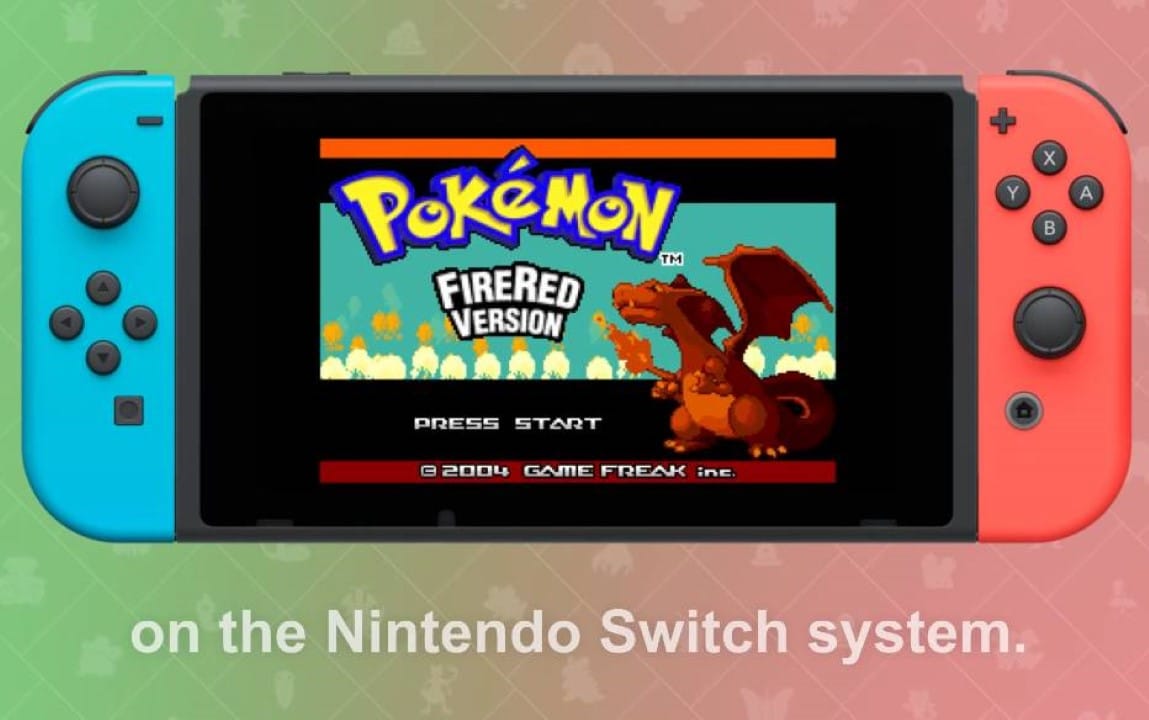
The developer responsible for the pocket monster franchise has officially announced that two of the most acclaimed titles from the Game Boy Advance era will return to the market natively in the current hybrid console ecosystem. The classic versions will be made available on February 27th, a date that marks exactly three decades of the brand’s existence in the global entertainment market. The launch will take place independently on the platform’s virtual store, allowing consumers to purchase the games definitively, without the need to maintain an active subscription to the company’s online service to access the main content. The strategy aims to meet a long-standing demand from the gaming community, which requested the direct purchase option for retroactive titles, guaranteeing possession of the digital software in their personal accounts and confirmed compatibility with the next generation of hardware from the Japanese manufacturer.
The sales model establishes a fixed price of nineteen dollars and ninety-nine cents for the North American market, with equivalent values in other regions where the digital store operates. The installation file has been optimized to take up just forty megabytes of internal storage, making it easy to download quickly and run immediately on your system.
Adapting to contemporary hardware required the implementation of specific technical solutions to maintain the integrity of the original experience, replacing physical cables with modern communication protocols. The main technical features confirmed for this version include:
- Full support for local wireless communication, allowing exchanges and battles between nearby consoles.
- Scheduled integration with the franchise’s cloud storage system for creature transfer.
- Enabling backup copies of saved data exclusively for users of the platform’s online service.
- Strict maintenance of the original visual appearance in pixel art, without the application of mandatory smoothing filters.
Historical rescue of the region of Kanto in Game Boy Advance
The original titles arrived on the global market in 2004, developed with the purpose of modernizing the first generation of the franchise and introducing players to the Kanto region with updated graphics for the thirty-two-bit portable color palette. The recreation kept the narrative structure intact, but added a layer of technical depth that set the standard for all subsequent remakes produced by the studio. The inclusion of a wireless adapter in the original physical games box was a milestone at the time, eliminating the reliance on the traditional cable connection and paving the way for network interactions that would become the standard in the portable gaming industry in the years to come.
The decision to preserve the visual aesthetics of the time reflects an approach to media conservation on the part of the publisher, which chose not to alter the sprites or synthesized soundtrack. Official emulation work focuses on ensuring that the frame rate per second and command response work identically to the original hardware, offering an authentic experience. Elementos post-game features, such as the exploration of the Ilhas Sevii archipelago, remain unchanged, ensuring that the volume of content delivered is exactly the same as what captivated audiences over two decades ago.
Adaptation of exchange mechanics and local battles
The transition from a dedicated hardware-focused system to a modern console required rewriting the communications protocols that govern multiplayer interactions. The original adapter’s radio frequency system was replaced by the hybrid console’s local network, ensuring stability in short-distance connections.
The developer confirmed that network functionalities are restricted to the local environment, maintaining the original design philosophy that encourages face-to-face meetings between users. Não There will be support for battle pairing or trading over the global internet, preserving the dynamics of physical social interaction that characterized the initial launch.
A future update will enable communication with the company’s creature management app. Esta functionality will allow specimens captured in the Kanto region to be transferred unidirectionally to the latest titles in the franchise, integrating retroactive progress into the current competition and collecting ecosystem.
Commercial strategy and independent sales model in the eShop
The choice for a direct sales model represents a significant departure from the manufacturer’s recent policy, which had been concentrating its retroactive catalog exclusively within monthly or annual subscription packages. Individual availability allows the consumer to purchase a perpetual use license for the software.
Experts in the technology sector point out that this commercial move serves as a market test to assess the feasibility of selling high-value classic intellectual properties outside the service model. Retaining the product in the user’s digital library serves a demographic that prefers ownership to rental of digital goods.
In the Asian market, the company prepared a commemorative physical edition containing collector’s items and a code to redeem the game in the virtual store. The special package has a suggested value of nineteen thousand and eight hundred yen and is aimed at the enthusiastic public who consume limited-run licensed products.
The distribution of this physical edition will occur in a restricted manner, with a sales period stipulated until the month of July of the current year. Enquanto this, the strictly digital version will remain in the global catalog permanently, accessible at any time through the platform’s network infrastructure.
Celebration of the franchise’s three decades with a focus on nostalgia
The thirty-year milestone since the launch of the first versions on Japão represents a moment of consolidation for the brand, which has transcended the electronic games market to become a comprehensive cultural phenomenon. The choice to re-release the enhanced versions of the first generation acts as a generational bridge, connecting consumers who experienced the phenomenon in the nineties with a new user base that consumes media through the current console. The region of Kanto, with its specific geography and virtual fauna, acts as the historical foundation of the brand’s entire expanded universe. By making this specific segment of the franchise’s history available on a platform with high global adoption, the publisher reinforces the value of its legacy catalog and ensures that the mechanical and narrative roots of the series remain accessible, documented and playable for entertainment and historical preservation purposes in the contemporary digital environment.
Guaranteed compatibility with next generation hardware
The software architecture used to package the classic games was developed with instructions that ensure native execution on the successor to the company’s current console. Esta technical measure ensures that the transition between generations of devices will not result in the loss of access to the purchased software.
Confirming backwards compatibility impacts directly on the consumer’s purchasing decision, eliminating the hesitation common during periods at the end of a console’s life cycle. The digital library built by the user will maintain its validity and functionality in the new hardware environment.
Storage optimization for current system
The reduced size of the installation file demonstrates the efficiency of the original code conversion process, requiring minimal space in the device’s flash memory. The application’s lightness allows users to keep the game permanently installed on the system, facilitating quick access for short gaming sessions without the need to manage internal storage or resort to memory expansion cards.




