
Norwegian Public Prosecutor’s Office asks for more than seven years in prison for Marius Borg Høiby, son of Princess Mette-Marit

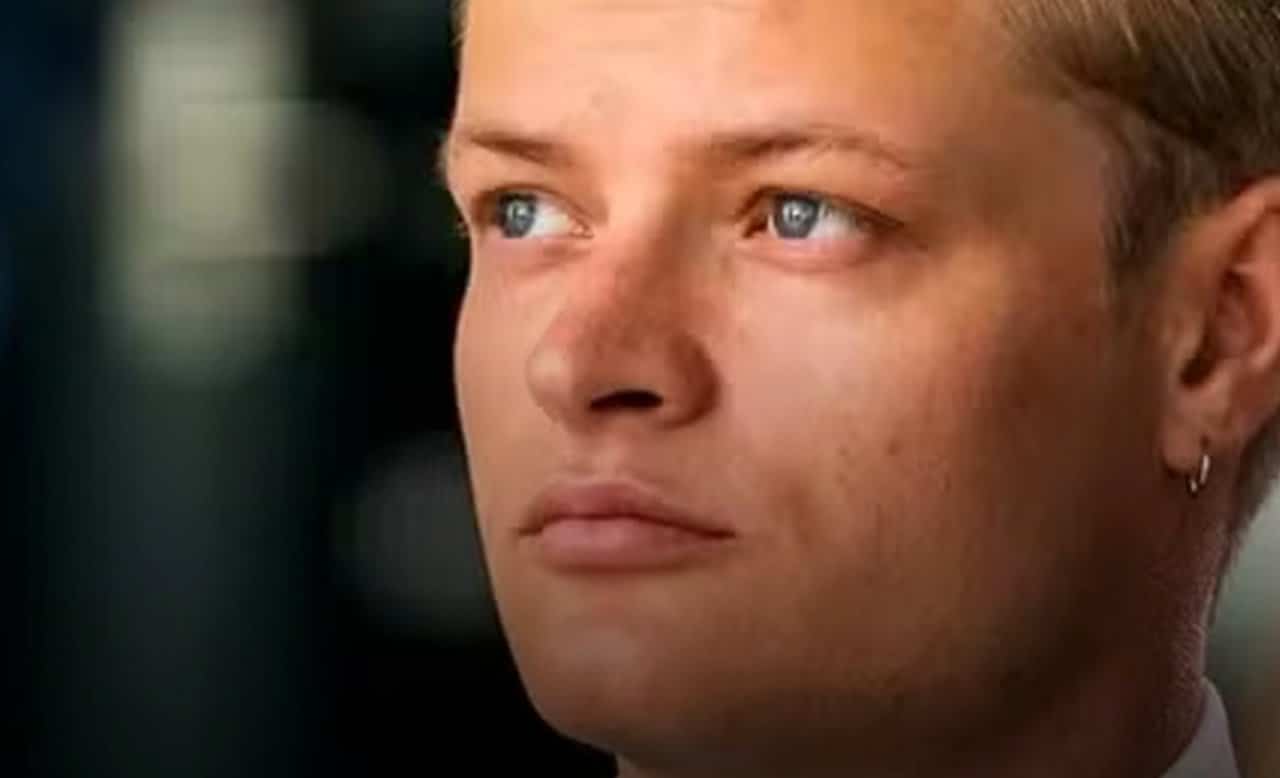
Ministério Público of Oslo requested a sentence of seven years and seven months’ imprisonment for Marius Borg Høiby, eldest son of the Norwegian Crown Princess The request was formalized today, Wednesday, marking a decisive moment on the 27th day of the ongoing trial in the Norwegian capital.
Høiby, 29, is the subject of serious charges that include four counts of rape, under Noruega criminal law. The severity of the charges and the public position of his family put the case in the spotlight, generating great attention from the media and the public.
During the presentation of the closing arguments, the prosecution emphasized the consistency of the evidence and the defendant’s culpability, while the defense maintained its challenge to the central points of the accusation. The outcome of the criminal case promises to be a milestone in the country’s judicial coverage.
The prosecution’s detailed request
The prosecution of Oslo formalized its request for a penalty during closing arguments at Tribunal Distrital, after weeks of testimony and analysis of evidence. The requested sentence of seven years and seven months in prison includes the deduction of 63 days already served in preventive detention by the accused. Este calculation reflects the seriousness with which Ministério Público assesses the extent and nature of the crimes attributed to Marius Borg Høiby.
This Wednesday’s session, a crucial day in the process, was accompanied by a forensic artist, who produced a sketch of Marius in room 250 of Tribunal Distrital. The presence of an illustrator during high-profile hearings is common in jurisdictions that seek to visually document the progress of high-profile cases without allowing direct photography or filming in the courtroom.
Accusations and legal implications
Marius Borg Høiby faces an extensive list of charges, totaling 40 points, with the four rape crimes being the most serious. Prosecutor Sturla Henriksbø (46) and police lawyer Andreas Kruszewski (40) were emphatic in arguing that the series of acts attributed to Høiby demonstrate a pattern of conduct that demands a firm response from justice. Eles stated in court: “Marius knew what he was doing”, indicating premeditation and awareness of the acts.
The seriousness of rape crimes in Norwegian law carries substantial penalties, reflecting the protection that the legal system seeks to offer victims. The large number of individual accusations suggests that the case is not isolated, but rather part of recurring behavior, which could directly influence the jurors’ final decision. Este type of process highlights the robustness of the Norwegian judicial system.
The complexity of the evidence presented throughout the 27 sessions of the trial was a challenge for both the prosecution and the defense. Documentos, witness and expert testimony were meticulously analyzed, seeking to reconstruct the events and establish the criminal responsibility of the accused, in an effort to ensure justice for all parties involved in the case.
The counterpoint defense strategy
Marius Borg Høiby’s defense, since the beginning of the trial, has taken a combative stance, vehemently rejecting the accusations in their essential points. The defendant’s lawyers announced that on the last day of the trial they will seek a significantly more lenient verdict. Esta’s stance indicates that Høiby’s legal team intends to deconstruct the narratives presented by the prosecution, emphasizing possible flaws or inconsistencies in the evidence.
One of the defense’s main focuses is criticizing the version of facts presented by the prosecution. Argumentam that there are margins for interpretation in different parts of the evidence, which could favor your client and lead to a different conclusion on the part of the judge and jurors. Eles seek to sow reasonable doubt, a fundamental element in any criminal proceeding, to ensure that Høiby receives fair treatment under the law.
The defense can also explore aspects such as the credibility of witnesses, the interpretation of messages or the contextualization of events. In complex cases like this, the way the evidence is interpreted and presented can be decisive for the final result. The challenge for the defense is to delegitimize the prosecution’s arguments without, however, disregarding the seriousness of the allegations.
They seek to demonstrate that the acts attributed to Høiby do not fall under the criminal classification of rape or that the circumstances mitigate responsibility. The expectation is that the defense’s final argument will focus on questioning the accused’s intention and the validity of certain statements by the alleged victims.
Victims and the search for reparation
A crucial aspect of this high-profile trial is the alleged victims’ claim for compensation. A total of five lawyers were present in room 250 of the court this Wednesday, presenting to the judge in detail the reasons why their clients should receive compensation for the damages and trauma resulting from the crimes. Norwegian legislation provides mechanisms for victims of violent crimes to receive financial compensation, in addition to criminal punishment for perpetrators.
Two of Marius Borg Høiby’s alleged victims were also present in court, demonstrating the importance that the process has for them. Entre them, highlighted Nora Haukland (28), who had already given testimony against Marius on February 24th. Sua presence on the penultimate day of the trial underlines the emotional intensity and personal relevance of the case for those directly affected by the events.
The request for compensation is not restricted only to material damages, but also covers the moral and psychological damages suffered by the victims. Lawyers seek to ensure that justice is not restricted only to the application of criminal punishment, but also includes full reparation for the losses caused. Este component of the trial is vital for the recovery and validation of the experiences of people who feel injured by the acts attributed to the defendant.
Expectation for the final verdict
Although the exact date for the verdict has not been defined, the specific request for a sentence by Ministério Público places the trial in a conclusive phase of great expectation. Após the presentation of the defense’s final arguments, scheduled for this Thursday, will be up to the judge and the two lay jurors to carefully evaluate all the evidence and deliberations. The Norwegian legal system, by including lay jurors, seeks representation of society in making judicial decisions, giving a more comprehensive character to the assessment of facts. The final outcome, whatever it may be, will have significant weight for all parties involved and for Norwegian public opinion.



