
Renault confirms production of new compact hybrid SUV to supply Latin American market

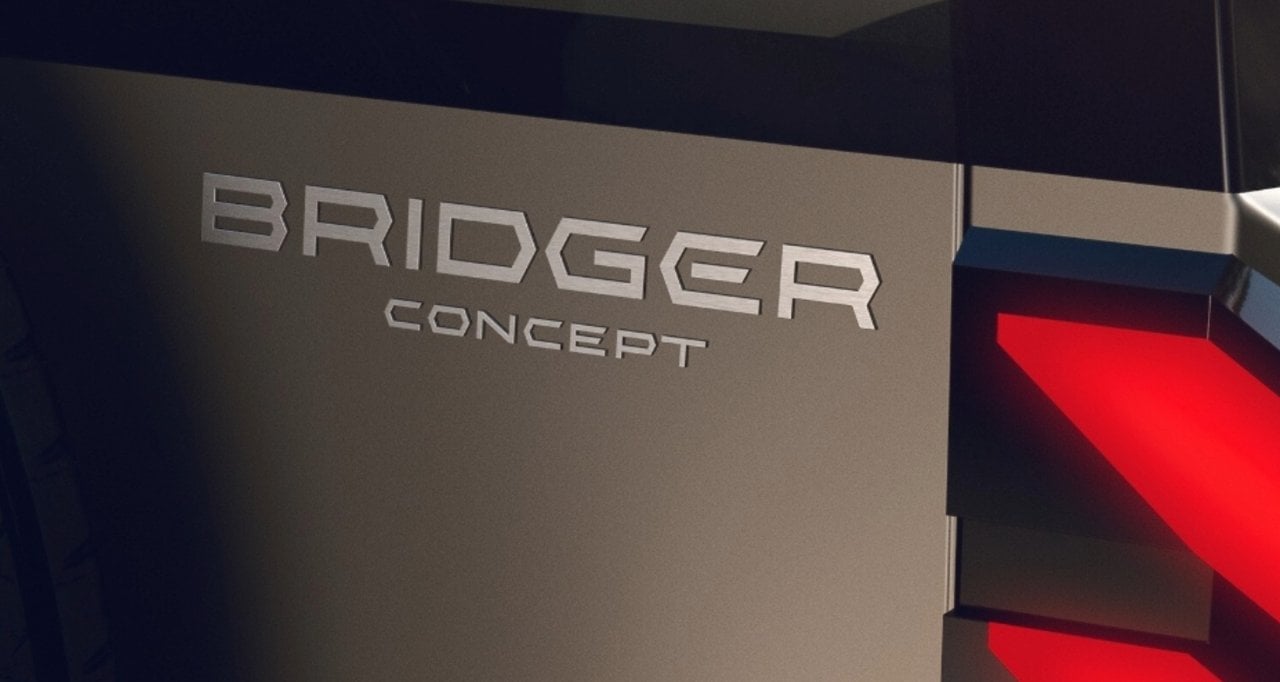
The French car manufacturer has officially developed a new compact sports utility vehicle with hybrid powertrain, specifically aimed at the Latin American market. The project is part of a global restructuring plan for the brand, which seeks to increase the added value of its products and focus on higher profitability segments. The assembly of the vehicle will take place in the industrial complex of São José dos Pinhais, in the state of Paraná, transforming the unit into an export hub for neighboring countries. The initiative marks an important transition for the company in the region, gradually abandoning purely combustion entry-level models to embrace more efficient technologies in line with current strict emissions standards. The new car arrives to fill a strategic gap in the automaker’s portfolio, offering an affordable electrified option in the face of advancing competition on the continent.
The concept presented reveals robust lines and an updated visual identity, breaking with the design of the brand’s previous models sold in the region. Local engineering took an active part in the development, ensuring that the vehicle can withstand the severe driving conditions found on South American roads, with specific suspension and ground height adjustments.
The expectation is that the first pre-series units will begin circulating on the streets soon for durability tests and component calibration. The official launch will take place after the completion of all technical and safety approval stages required by the regulatory bodies of each destination country, consolidating the automaker’s new phase.
Electrification strategy for the continent
The introduction of a mild hybrid system represents a fundamental step in the technological update of the fleet offered by the company in the region. The system combines a traditional combustion engine with a small electrical generator, which assists in acceleration and restart, reducing the effort of the main propellant and, consequently, fuel consumption.
This approach allows us to deliver greater energy efficiency without the high costs associated with pure electric vehicles or plug-in hybrids. The technology directly meets the demand of consumers who seek savings in their urban daily lives, but who still depend on great autonomy for long trips in regions with incipient charging infrastructure.
Mechanical assembly specifications
The heart of the new utility will be a 1.2 three-cylinder turbo engine, designed to deliver an ideal balance between performance and low consumption. Este thruster works in conjunction with a 48-volt micro-hybrid system, an architecture that is becoming the industry standard for entry-level electrification.
The 48V electrical generator recovers the kinetic energy generated during braking and deceleration, storing it in a compact lithium-ion battery. Essa energy is subsequently used to power the car’s electrical systems and provide additional torque to the combustion engine at times of greatest demand, such as overtaking and leaving traffic lights.
The transmission associated with this mechanical assembly was specifically calibrated to optimize smooth gear changes and maximize the efficiency of the hybrid system. Engineering paid special attention to acoustic insulation and vibration reduction, characteristics inherent to three-cylinder engines, to guarantee a superior level of comfort on board.
Modular platform and vehicle architecture
The new model is built on a cutting-edge modular platform, developed to accommodate different types of engines, from traditional combustion engines to fully electric engines. Essa structural base gives the vehicle significantly greater torsional rigidity compared to previous generation products.
The adoption of this new architecture allows the incorporation of advanced driving assistance systems, raising the utility’s active and passive safety standard. The structure was designed to dissipate impact energy more efficiently, protecting occupants in the event of frontal or side collisions.
The internal space was also benefited by the new platform, which allows for a longer wheelbase, resulting in greater comfort for rear seat passengers. The luggage compartment has been optimized to offer competitive volume within the category, meeting the needs of families and users with an active lifestyle.
The modularity of the industrial base ensures that the automaker can derive other models from the same structure in the future, reducing development costs and accelerating the time for new products to reach the market. Essa flexibility is essential to maintain competitiveness in a rapidly changing automotive sector.
Financial contribution to the industrial complex
Making this project viable required a significant amount of investment in modernizing the assembly lines at the Paraná complex. The facilities received new welding robots, high-precision stamping systems and quality control equipment based on artificial intelligence. The painting area also underwent updates to operate with more sustainable processes and paints with a lower environmental impact, aligning the factory with the company’s global clean production standards.
In addition to the physical infrastructure, the financial contribution included an extensive professional training program for the unit’s employees. The introduction of electrified components requires new safety protocols and handling of high-voltage batteries on the assembly line. Fornecedores locations were also integrated into the development process, aiming to increase the nationalization rate of parts and reduce dependence on imports, which protects the operation from exchange rate fluctuations.
Tough competition in the sports utility vehicle segment
The compact sports utility vehicle segment is currently the most competitive and profitable in the Latin American automotive market, concentrating most of the launches and sales volume of the main automakers. The new model from the French brand enters a scenario where consumers are increasingly demanding in relation to connectivity, interior finishing and energy efficiency. Para stands out, the vehicle relies on a robust technological package, which includes multimedia centers with floating screens, fully digital instrument panels and soft-touch materials on the dashboard. The pricing strategy will be aggressive, positioning the mild hybrid version as a viable alternative to competitors equipped only with conventional turbo engines. Offering electrified mechanics provides a powerful selling point, appealing to both long-term financial savings and the environmental consciousness of a new generation of buyers.
Technical validation steps
Before arriving at dealerships, the utility vehicle goes through a rigorous testing schedule that involves millions of kilometers driven in different climates and altitudes. Engenheiros evaluate the behavior of the hybrid system in extreme situations of heat, cold and heavy traffic, ensuring that the electronic management of the battery and combustion engine works flawlessly and without software failures.
Direction of exports
National production is not only aimed at the domestic market, but its main objective is to supply a vast network of distributors spread across the entire South American continent. Países with strong demand for robust and economical utility vehicles are at the top of the priority list for shipping the first batches of the vehicle.
The export strategy is vital to guarantee the necessary production scale and the profitability of the factory. The standardization of components and the flexibility of the assembly line allow the company to quickly adapt the car’s specifications to meet local legislation in each importing country, consolidating the Brazilian unit as a center of industrial excellence in the region.



