
Retailer GameStop classifies PS3, Xbox 360 and Wii U as retro consoles and launches trade-in bonuses

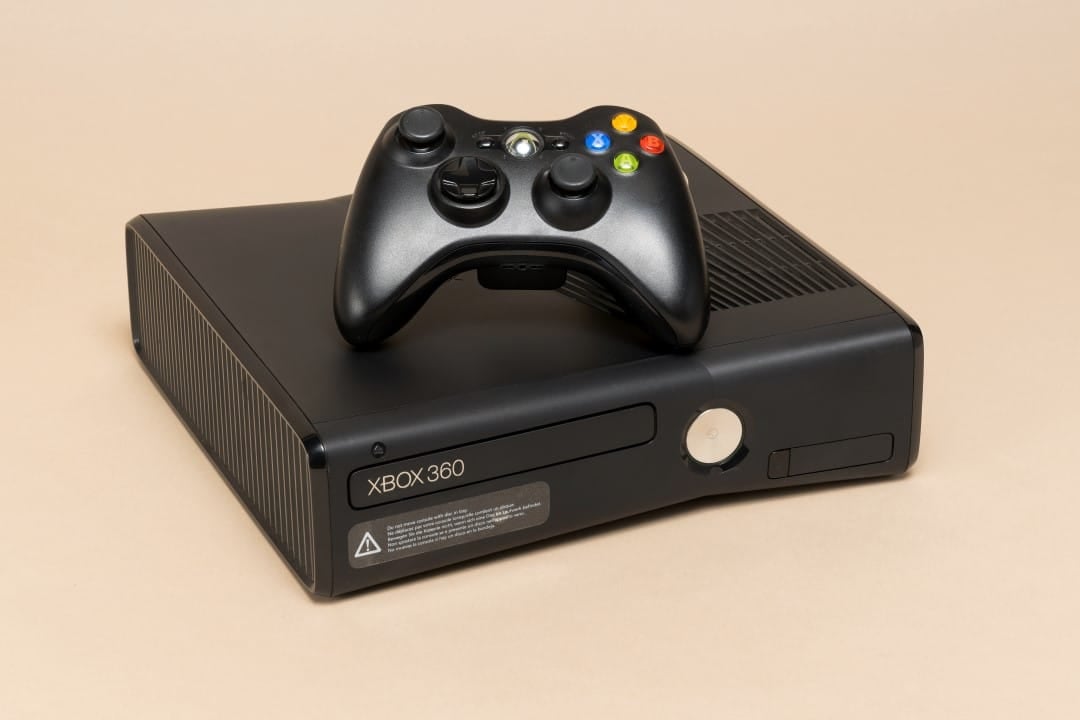
North American retail chain GameStop has changed the classification of three widely popular video game platforms in recent decades. The PlayStation 3, Xbox 360 and Wii U systems have officially joined the company’s retro product category. The measure changes the way these equipment are evaluated in the brand’s physical and virtual stores, directly impacting the resale value and the public’s perception of the electronics’ life cycle.
The official statement used a relaxed tone to inform consumers about the change in status. The company justified the decision by pointing out outdated technological features, such as the use of component video cables, and incompatibility with modern titles with great commercial appeal. The lack of support for ongoing service games and network updates was one of the main indicators mentioned for the hardware reclassification.
The change in the catalog aims to boost the company’s used electronics exchange program. By repositioning this hardware, the retailer seeks to attract owners who keep their devices in storage, offering financial incentives to return them to the commercial cycle. The tactic moves the inventory of products from previous generations and encourages the acquisition of current merchandise, maintaining cash flow in retail units.
Commercial strategy focuses on renewing electronics stocks
To encourage adherence to the new format, the company implemented a temporary financial bonus for negotiations. Customers who deliver consoles newly classified as retro will receive a 10% increase in the value of the exchange credit. Esse amount can be used to purchase any other item available in stores, from software releases to modern accessories. The promotion also covers physical games and original peripherals from these specific platforms.
A central feature of this campaign is the relaxation of rules for accepting used hardware. The retailer confirmed that it will receive devices even if they have significant faults, changing the previous rigorous standard of evaluation. Current criteria for accepting old equipment include the following practical scenarios:
– Aparelhos with severe aesthetic flaws or wear on the external casing.
– Ausência of original factory power, video or control cables.
– Sistemas that have disk reading defects, as long as the power is turned on.
– Consoles with loose parts or visible surface damage caused by time.
This permissive policy reduces barriers for consumers who want to cost-effectively dispose of obsolete equipment. The company’s business model depends on constant flow on the secondary market, and purchasing defective items allows them to be sent to reconditioning centers. Após technical repairs, the products return to the shelves at affordable prices, serving a public with lower purchasing power or focused strictly on collecting.
Technical criteria mark the transition of hardware generations
The technical justification for including the PS3, Xbox 360 and Wii U in the classics list is based on the rapid evolution of the technology industry. The company compared the systems to older platforms, such as the Sega Saturn and the Nintendo DS, which already had consolidated retro status on the market. The presence of specific physical media and discontinued processing architectures reinforces the technological distance for the current generation of processors.
The mention of the absence of continuously successful games in the catalogs of these consoles illustrates the change in the global consumption model. The seventh and eighth generation systems were designed before the absolute consolidation of games as a service and the multiplatform arena format. Essa software limitations make the devices less attractive to contemporary children and young people, consolidating their appeal focused on nostalgia and single-player experiences.
Chronology of launches highlights the advancement of the gaming sector
The Xbox 360 was the first of the trio to hit the market, officially launched in November 2005. The equipment established standards for structured online networks and digital achievement systems, elements that have become mandatory in the interactive software industry.
The PlayStation 3 was made available to consumers in November 2006. The hardware introduced the high-capacity disc reader as standard, driving the adoption of the high-definition physical media format and offering advanced graphics for the time.
The Wii U, released in November 2012, represents a direct transition between generations of hardware. The device introduced the concept of asymmetric gameplay with its tablet-shaped control, paving the technological path for the development of hybrid systems years later.
The retailer’s communication used political milestones to emphasize the passage of time, associating the launch period of the first consoles with the administration of past government administrations. The temporal reference served to create an immediate contrast with the current political and technological scenario, highlighting the age of the devices.
Digital engagement boosts retail campaign visibility
The announcement generated a significant volume of interactions on digital platforms, with thousands of users sharing past experiences with the hardware. The observation that systems considered modern by a portion of the public are now classified as historic has generated debates about the perception of technological aging. Consumidores in their 30s and 40s reported surprise with the categorization, boosting the organic reach of the company’s message on the internet.
The repercussion on social media served as an efficient marketing tool for the publicly traded company. Rather than a simple corporate announcement about trading rules, the approach generated a broad conversation about preserving video game history. Esse level of engagement strengthens the brand’s digital presence and keeps the retailer’s name highlighted in discussion forums and portals specialized in technology and entertainment.
Historic preservation drives secondary video game commerce
The official retro status for the PS3, Xbox 360 and Wii U recognizes the lasting impact of these platforms on digital entertainment culture. Esses systems were responsible for popularizing the transition to flat-screen televisions, the digital distribution of indie games, and the integration of video streaming applications directly into living rooms. The used games market ensures that this technological heritage remains accessible to new generations. Colecionadores seek out rare physical editions, while new players seek to experience campaigns and narratives that defined the 2000s and early 2010s. Maintaining a commercial ecosystem for these devices prevents early electronic disposal and fosters communities dedicated to restoring, cataloging, and modifying classic hardware around the world.
Reconditioning policy extends the life cycle of products
The logistics of receiving damaged equipment and subjecting it to technical repairs creates a circular economy within the consumer electronics sector. Replacing optical readers, repairing circuit boards and cleaning internal components allows consoles destined for electronic waste to survive for several years. Essa practice meets an ongoing demand for replacement parts and ensures that the interactive story contained in these platforms is not lost to the natural degradation of plastic and metal materials.



