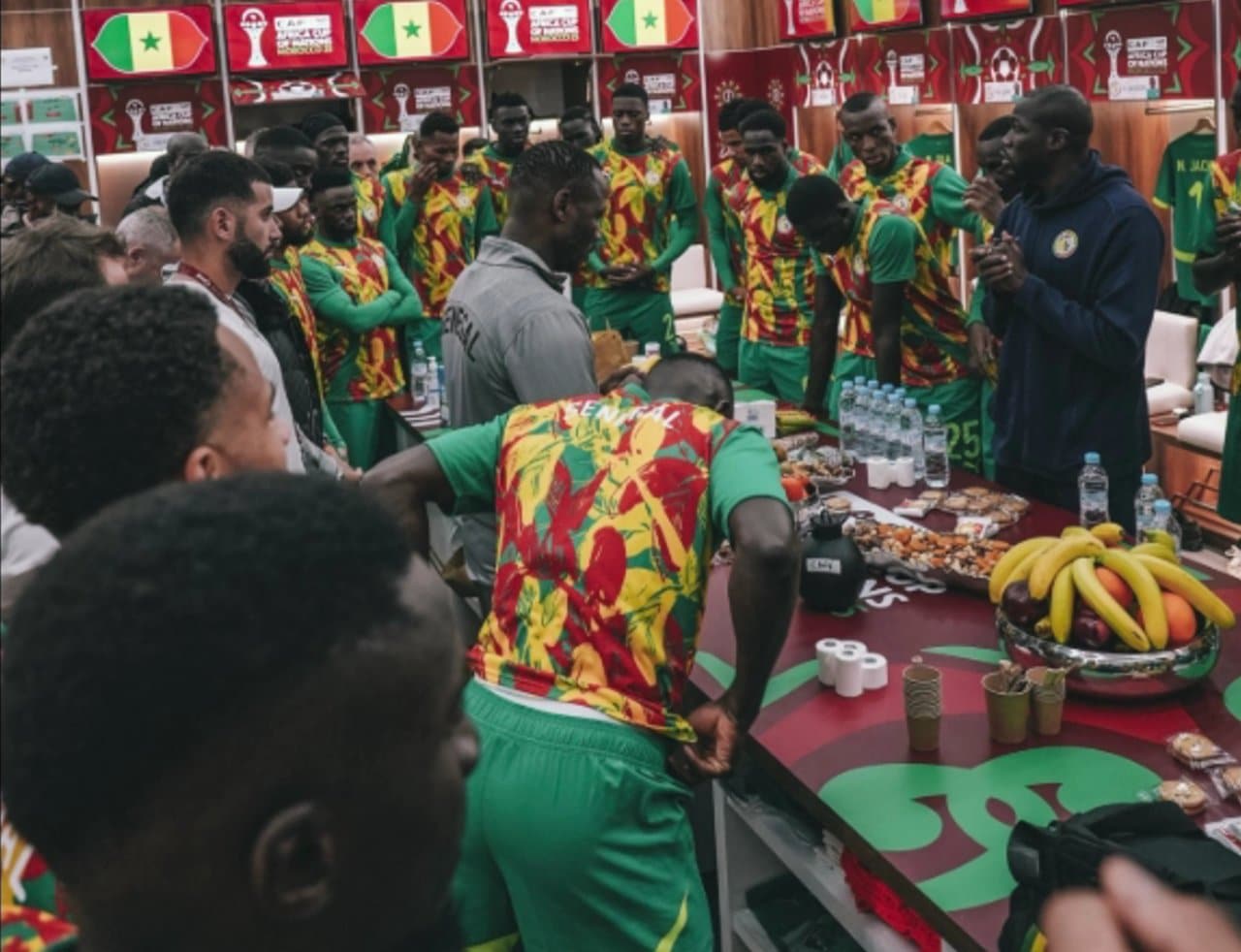
Federação Senegalesa of Futebol (FSF) officially confirmed that it will seek the annulment of the decision of Confederação Africana of The measure comes after the continental entity withdraws the title won on the field by Senegal and declares the Marrocos team as the official winner of the competition.
The legal dispute originates from the events that occurred during the final of the tournament, originally held on January 18, 2026, where Senegal won 1-0 in extra time. Entretanto, CAF accepted a Moroccan appeal based on an alleged serious disciplinary violation during regulation time, resulting in the application of a defeat for W.O. to the Senegalese.
The punishment imposed by the highest governing body of African football is based on articles 82 and 84 of the competition regulations, which deal with match abandonment and unsporting conduct. The FSF classifies the sentence as unfair and unprecedented in the history of football on the continent, promising to exhaust all legal instances to validate the result obtained on the pitch.
- A seleção de Senegal venceu a partida final originalmente por 1 a 0.
- O tribunal de apelação da CAF alterou o placar oficial para 3 a 0 a favor de Marrocos.
- O recurso ao CAS é a última instância possível para resolver o conflito desportivo internacional.
- A decisão judicial da CAF foi publicada nesta terça-feira, 17 de março de 2026.
Entenda a confusão que gerou a punição na final em Rabat
The incident that led to the disciplinary sanction occurred in stoppage time of the second half, when the score still registered a goalless draw between the two finalist teams. Após consulted the video referee (VAR), the judge awarded a maximum penalty in favor of Marrocos, alleging a foul by Malick Diouf on the attacker Brahim Díaz.
The call generated immediate revolt in the Senegalese bench, leading coach Pape Thiaw to order his players to leave the pitch in protest against the refereeing. The team went to the changing rooms, interrupting the normal flow of the sporting spectacle for several minutes, which established the legal basis for the complaint of abandonment of the field.
Intervenção de Sadio Mané evitou encerramento precoce do jogo
Even with the technical order to abandon the confrontation, the team’s star, Sadio Mané, exercised his leadership role and convinced his teammates to return to the field of play. The striker argued that his permanent departure would harm the team’s image and that the title should be fought for until the last minute, regardless of external controversies.
After the athletes returned, the penalty was finally taken by Brahim Díaz, who attempted a shot with a cavadinha technique, resulting in an easy save by the Senegalese goalkeeper. The game went into extra time, where Senegal managed to score the winning goal, but the temporary interruption was the central point used by Federação Marroquina to contest the validity of the opponent’s title.
The Moroccan defense argued that Senegal’s departure from the field, even if brief, violated the integrity of the competition and intimidated the refereeing team at that crucial moment. The CAF appeals committee agreed with this interpretation, annulling the first instance decision and applying the maximum sanction of loss of points for W.O., which reversed the result of the championship.
Disagreements over arbitration marked the decisive confrontation
The Senegalese players’ frustration was not just limited to the penalty scored in stoppage time, but also to a previous move that could have changed the fate of the cup. Pouco before the confusion, Senegal had a goal disallowed by the referee, who saw a foul by Seck on full-back Hakimi inside Marrocos’s area, generating the first major source of tension.
The atmosphere of emotional instability took over the match, making it difficult for the referee trio to manage in the face of pressure coming from the stands and benches. Especialistas in arbitration point out that the succession of complex interpretative decisions contributed to the explosive behavior of the delegations, culminating in the legal imbroglio that now reaches Suíça.
Documentation and deadlines for the appeal in Corte Arbitral of Esporte
Federação Senegalesa of Futebol is already preparing a robust dossier with images, testimonies and legal precedents to present to the international court in the coming days. The expectation is that the CAS process will take place urgently, given the impact that the lack of definition of the champion has on the official FIFA calendar and the prizes involved.
Legal representatives of the FSF state that the principle of sporting truth must prevail, as the match was fully concluded after the brief incident. Eles claim that W.O.’s punishment It is disproportionate for an event where the team returned and the dispute was concluded through traditional sporting means.
Impact of the decision on the image of football on the African continent
CAF’s decision to change the champion months after the official awards ceremony generated intense debates among managers and fans in different parts of the world. Críticos point out that the administrative change in the field result could alienate sponsors and reduce the credibility of tournaments organized by the African football confederation.
On the other hand, supporters of the measure believe that the strict stance is necessary to discourage any attempt to forcely interrupt matches by disgruntled technical committees. The outcome at CAS will be essential to establish a standard of conduct and punishment for similar cases that may occur in future high-level international competitions.
Confederação Africana of Futebol maintains the position that it strictly followed the current statutes and that the integrity of the regulations must be above any partial result. Marrocos, now declared champion, awaits the legal developments while the physical cup and gold medals remain under symbolic dispute until the court’s final verdict.
Disciplinary procedures and competition regulation articles
Article 84, cited in the official decision, establishes clear guidelines on the responsibility of federations to ensure that their teams remain on the field until the final whistle. The CAF’s interpretation was that, when crossing the sideline with the intention of not returning, the infraction would already be completed, regardless of the athletes’ subsequent return.
Senegal disputes this technical view, stating that the team never formally left the venue and that the interruption did not last long enough to characterize the end of the game due to lack of contingent. The legal battle will now focus on the semantic definition of “abandonment” and the proportionality of the penalties applied by the continental entity compared to global cases.
The Dacar sports authorities have stated that they will not accept the loss of the trophy without a complete review of the facts by independent judges outside the CAF political axis. The Senegalese government also demonstrated support for the federation, treating the case as a matter of national pride and sporting justice for the athletes involved in the campaign.
Corte Arbitral of Esporte will have the mission of analyzing whether the CAF procedures respected Senegal’s right to defense during the trial that reversed the result. The transparency of the Moroccan appeals process will be one of the points attacked by Senegalese lawyers, who claim they did not have enough time to counter the evidence presented by the rival federation.