
Series production about the cesium 137 accident in Goiânia rescues memories of radioactive tragedy

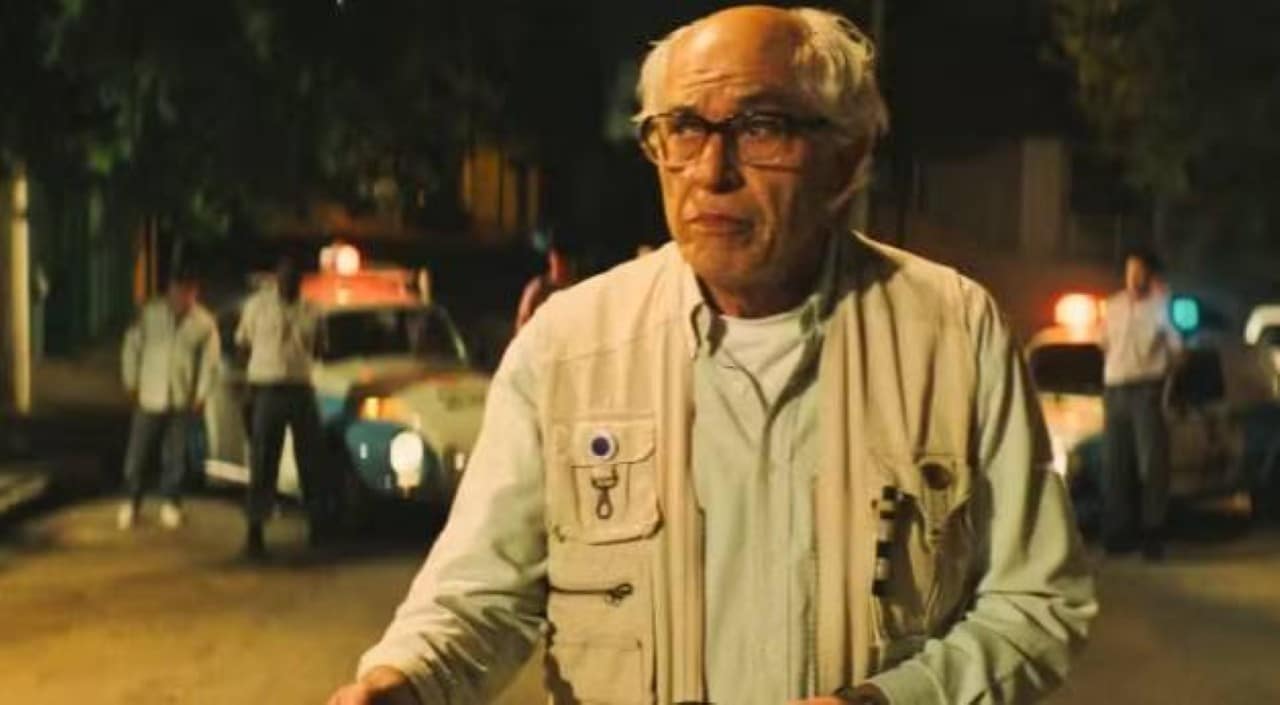
The Brazilian audiovisual sector turns its attention to one of the most critical episodes of public health and nuclear safety in the country with the launch of the series “Emergency Radioativa”. The production seeks to detail the events that began in September 1987, when the irregular disposal of a radiotherapy device in an abandoned clinic triggered the largest radioactive accident in the world outside of nuclear plants. The script is based on extensive documentary research to portray how cesium 137 chloride, a bright blue powder, fascinated residents and caused unprecedented contamination in the capital of Goiás.
The narrative focuses on the material’s trajectory from its discovery by recyclable collectors to the international mobilization to contain biological and environmental damage in the central region of Brasil. Especialistas and survivors contributed information to support the recreation of historical settings, such as Rua 57 and the Devair Alves Ferreira junkyard, where the lethal glow was displayed to family and neighbors. The series not only reconstructs the immediate panic, but also the process of isolating the victims and the management of radioactive waste that remains under monitoring to this day.
The production structure divides the chronology into crucial moments that explain the scale of the disaster to new generations:
- The initial handling of the lead head by people who were unaware of the imminent danger of gamma radiation.
- The rapid spread of contamination through physical contact and sharing of food between the families involved.
- The late identification of the problem by health surveillance, which initially confused the symptoms with tropical diseases.
- The isolation of thousands of people in Estádio Olímpico of Goiânia for emergency screening and decontamination.
- The construction of the definitive repositories in Abadia of Goiás, where the atomic waste was buried in layers of concrete.
The implementation of international safety protocols was a direct response to the oversight failure that allowed the cesium 137 source to be abandoned in a densely populated urban area. At the time, Comissão Nacional of Energia Nuclear (Cnen) had to coordinate a complex operation that involved the demolition of homes and the confiscation of personal objects that presented lethal levels of radiation. The series exposes the bureaucracy and regulatory gaps that contributed to the delay in containing the chemical element, transforming the lives of hundreds of civilians into a constant struggle for recognition and permanent medical assistance.
Historical reconstruction and fidelity to real facts
The production team chose to maintain a documentary aesthetic, using color palettes reminiscent of the Goiânia of the 80s to increase the viewer’s immersion. The dialogues were constructed based on real testimonies collected by the victims’ association, ensuring that the pain and stigmatization suffered by those infected were represented in a reliable manner. The scenographic effort included the exact replica of the lead capsules and yellow protective uniforms that became visual symbols of the crisis at the time.
The series avoids sensationalism by focusing on the science behind the radiation and the administrative negligence that led to the event. By presenting the sequence of human and technical errors, the work serves as an educational record on the importance of managing hazardous hospital waste. The social impact is addressed through the exclusion that people from Goiás suffered in other Brazilian cities, where they were avoided for fear of radiation transmission that, scientifically, would not occur through simple social contact.

Science and public health at the epicenter of the drama
The episodes detail the biological functioning of cesium 137 in the human body, explaining how ionizing radiation destroys tissues and alters DNA. The production shows the exhaustive work of doctors and nuclear physicists who arrived from different parts of the world to treat seriously ill patients in Hospital of Doenças Tropicais. Essa technical approach helps to demystify prejudices and focuses on the resilience of the teams that worked on the front line during the most critical months of 1987.
Direct victims, like girl Leide of Neves Ferreira, are remembered not just as statistics, but as individuals whose lives were cut short by the lack of state control. The series documents the wake amid protests and the use of lead coffins, highlighting the collective fear that gripped society. The script uses these moments to discuss civil liability and the duty of protection that institutions have in relation to highly dangerous materials.
Tailings management and long-term monitoring
One of the central points of the work is the creation of Centro Regional of Ciências Nucleares of Centro-Oeste, responsible for monitoring radioactive waste deposits. The series shows how Brazilian environmental engineering needed to innovate to ensure that the material remained isolated for centuries, considering the half-life of cesium 137. The viewer understands that the tragedy did not end with the cleaning of the streets, but continues in each radiation measurement taken around the storage units.
The narrative follows the following generations of survivors who are still fighting in court for pensions and specialized health treatment. By addressing the present, the production connects the historical disaster with current nuclear safety policies in the national territory. The constant monitoring of water and soil in the Abadia region of Goiás is presented as a perpetual reminder that nuclear energy requires absolute and uninterrupted vigilance.
Reflection of institutional negligence and systemic failures
The series explores how Clínica Goiana of Radioterapia, when changing address, left behind equipment loaded with lethal energy without notifying the competent authorities. Esse vacuum of responsibility is the common thread that unites the groups of characters, from the clinic owners to the inspectors who did not carry out the necessary inspections. The work exposes the viscera of a system that prioritized cost savings to the detriment of the safety of the urban population.
The legal discussions that followed the accident occupy a relevant space in the plot, showing the complexity of punishing those responsible in a context of political transition. The scriptwriters sought to highlight that the tragedy was avoidable in several stages, if there had been a strict inventory protocol for radioactive sources. The series is positioned as a warning so that the neglect of technological and medical materials does not again generate scenarios of isolation and death on national soil.
Impact on the local community and social stigma
The population of Goiânia faced months of uncertainty and economic prejudice, with agricultural products being rejected in other states and tourists avoiding the region. The audiovisual production portrays this economic facet of the disaster, showing how the fear of the invisible affected commerce and the self-esteem of local residents. The isolation was not just physical, within sanitary cordons, but emotional and geographic, changing the world’s perception of the state capital.
The stories included in the itinerary highlight the solidarity between neighbors who, despite the risk, tried to help the first to show symptoms of weakness and skin burns. Esse human side contrasts with the coldness of the official technical reports of the time, humanizing the tragedy and bringing a perspective of empathy. The series manages to balance the rigor of the facts with the sensitivity necessary to deal with a topic that still leaves open wounds in the memories of many Brazilians.
The technical legacy for global nuclear medicine
Despite the pain, the accident in Goiânia provided scientific knowledge that today saves lives in global decontamination protocols. The series dedicates episodes to showing how data collected in 1987 helped shape the Agência Internacional of Energia Atômica (Aiea) guidelines. Cientistas Brazilians have become international references in the treatment of ionizing radiation, transforming mourning into learning for the safety of hospitals and industries across the planet.
The use of Azul of Prússia, a medicine that helps eliminate cesium from the body, is demonstrated as a vital tool at the time. The production details how the logistics of obtaining the medicine involved international cooperation, reinforcing that nuclear crises do not respect national borders. The end of the narrative focuses on the importance of applied science and the need for constant investment in research to prevent and mitigate disasters of such magnitude.



