
South Korean manufacturer launches Exynos 5410 modem with satellite calling support for smartphones


The South Korean technology giant has officially unveiled a new connectivity component that promises to transform mobile communication in remote areas. The recently announced equipment allows mobile devices to make voice and video calls directly over non-terrestrial networks, eliminating exclusive dependence on traditional cell towers.
This hardware innovation represents a considerable technical leap compared to current systems on the telephone market. Até At the moment, most manufacturers only offer sending short text messages to emergency services and basic location sharing when the user is outside the conventional coverage area.
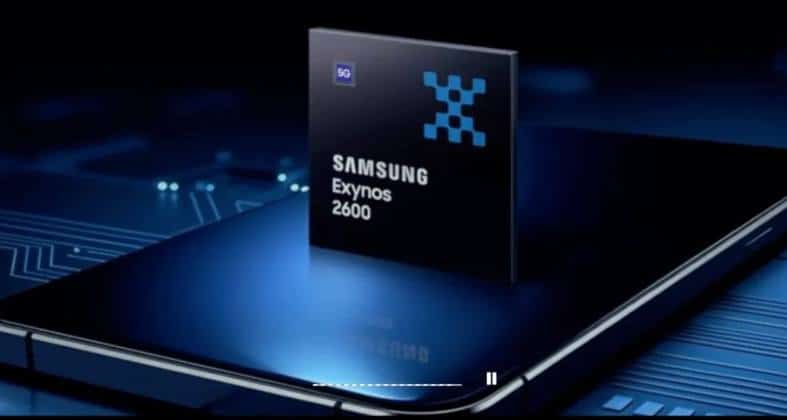
The development focuses on equipping the brand’s next generation of premium devices, ensuring continuous communication in challenging environments such as oceans, mountains and deserts. The strategy aims to serve both common consumers seeking security and professionals who work in regions that are difficult to reach geographically.
Advanced component architecture and manufacturing process
The new connectivity hardware is designed based on the four-nanometer lithography process using Extreme Ultraviolet technology. Essa manufacturing technique on a microscopic scale allows a massively greater number of transistors to be allocated in the same physical space, which results in superior energy efficiency when compared to previous generations of modems. Reducing battery consumption is a crucial factor in making satellite communication viable, since searching for a signal in space traditionally requires high energy expenditure that could compromise the smartphone’s autonomy during daily use.
In addition to efficiency in consumption, the chip architecture was designed to act independently of the device’s main processor. Essa physical separation within the cell phone motherboard frees up space in the central processing core, allowing the neural processing unit and graphics processing unit to operate at maximum capacity. Dessa way, the device can manage complex generative artificial intelligence and heavy graphics rendering tasks simultaneously, without the management of telephony networks causing performance bottlenecks or overheating in the system as a whole.
Non-terrestrial network standards integrated into the system
The main technical advantage of the equipment lies in its ability to unify three different satellite communication standards on a single silicon chip. Essa integrated approach optimizes the smartphone’s internal space and simplifies the process of switching between the different types of networks available at the time of use.
The system strictly follows the guidelines established by the global telecommunications standard, ensuring interoperability with several constellations of low-orbit satellites. Embedded technologies offer different levels of data transmission:
- Support for real-time voice and video calls through direct connections to satellites in remote areas.
- Sending text messages and telemetry data using low bandwidth bands for extreme energy savings.
- Transmission of high-capacity data packets for internet browsing and media consumption in isolated areas.
The transition between the terrestrial cellular network and the satellite network occurs invisibly for the end user. The device’s software automatically identifies loss of signal from local antennas and activates the spatial search protocol in a matter of seconds.
This connection redundancy raises the level of personal and corporate security. Profissionais of logistics, field researchers and rescue teams now have a robust communication tool that does not depend on terrestrial infrastructure vulnerable to natural disasters.
Extreme performance on fifth generation connections
Despite the emphasis on space communication, the hardware delivers record speeds over traditional fifth-generation terrestrial networks. The component achieves theoretical download rates exceeding the fourteen gigabits per second mark using advanced carrier aggregation techniques.
The system simultaneously combines frequencies below six gigahertz with millimeter waves to ensure stability and maximum speed. Essa junction allows the user to maintain a very high quality connection even in environments with high network congestion, such as crowded stadiums or densely populated urban centers.
Backward compatibility was also fully maintained by the manufacturer. The equipment can operate perfectly on previous generation networks, ensuring that the device works properly during international travel or in regions that have not yet completed updating their telecommunications infrastructure.
Defense mechanisms against cyber threats
The protection of data transmitted over the air received priority attention during the development of the project. The chip incorporates an isolated hardware-level security system and uses post-quantum hybrid encryption protocols to shield user information.
These advanced mechanisms defend sensitive data, such as the international equipment identification number and call encryption keys, against interception. The technology was designed to resist even future attacks carried out by quantum computers, ensuring long-term privacy of communications.
Synergy with two-nanometer processing units
The new modem’s implementation strategy involves pairing it with cutting-edge processors manufactured using the unprecedented two-nanometer process. Essa combination of distinct hardware creates a highly efficient internal ecosystem for managing complex tasks and uninterrupted connectivity.
While the use of an external networking component may theoretically lead to a slight increase in power consumption compared to integrated solutions, the extreme efficiency of the main processor’s two-nanometer lithography offsets this difference. The result is a positive energy balance that sustains long sessions of intense use.
Strategic positioning in the premium device sector
The introduction of such a complete two-way satellite communication system significantly changes the competitive dynamics in the high-end smartphone segment. Enquanto other companies in the technology sector focus on palliative solutions or restricted partnerships for sending distress messages, the implementation of off-grid voice and video calls establishes a new paradigm of demand from consumers. Analistas marketers point out that this technical capability not only attracts an innovation-enthusiastic public, but also opens doors to large corporate contracts with governments and multinational companies that require reliable communication for their employees in the field. The physical separation of the modem also demonstrates a maturity in printed circuit board design, allowing the manufacturer to upgrade its network components independently of central processing innovations in the mobile telecommunications industry’s upcoming release cycles.
Arrival schedule for international markets
The commercial distribution of this technology will follow a regionalized approach, with the first batches of devices equipped with the new hardware initially arriving in selected Ásia and Europa markets. The global expansion of space calling functionality will directly depend on local regulatory agreements and partnerships with satellite operators in each country.



