
Technology giant updates affordable cell phone with A19 chip and MagSafe while maintaining initial value

The North American electronics manufacturer is preparing the arrival of a new version for its entry-level smartphone, focused on delivering high performance at a lower cost. The new device hits global shelves at a suggested retail price of US$599, which represents approximately R$3,124 in direct conversion, without considering local taxes. The strategy aims to attract consumers looking for technological updates without the need to invest in the brand’s most expensive models.
Visually, the device preserves the design lines already known to the public, boasting a 6.1-inch OLED screen that guarantees vivid colors and deep contrasts. The rear continues to house a 48-megapixel single camera system, optimized by software to deliver high-resolution photographs in different lighting conditions.
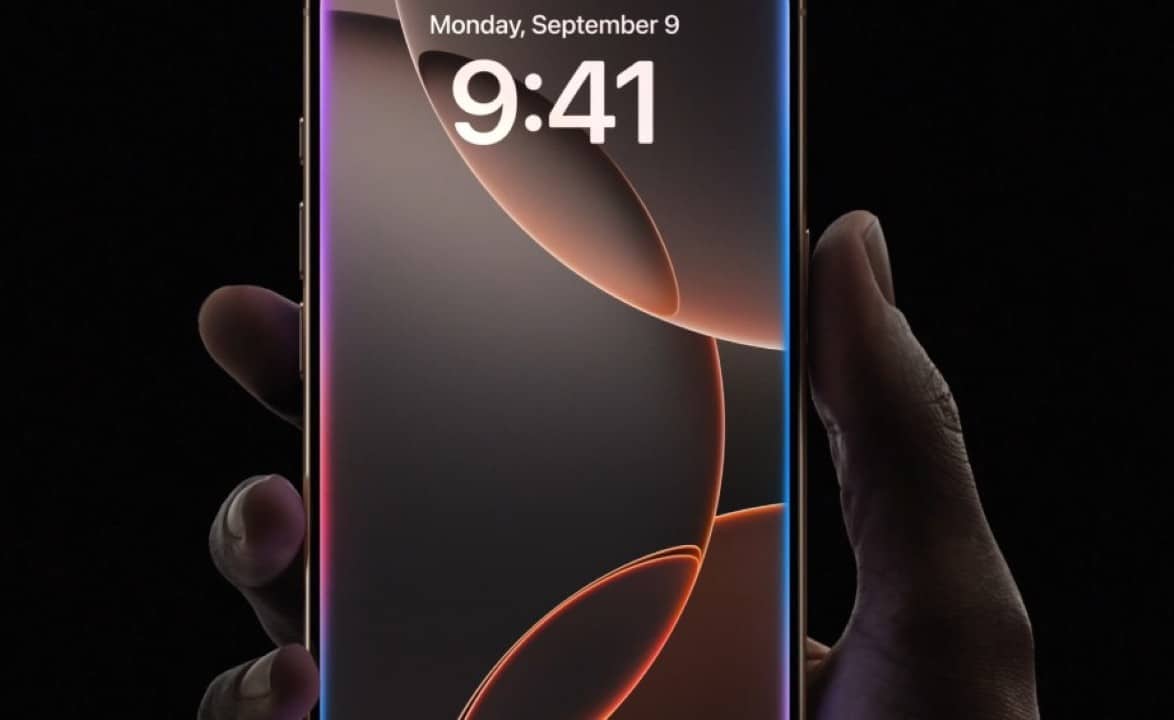
The main modifications implemented by the manufacturer occur on the internal part of the equipment, with a direct focus on daily usability and the longevity of the product in the hands of the consumer.
– State-of-the-art Processador for greater fluidity in applications.
– Sistema built-in magnetic charging on the back.
– Componentes proprietary network for faster connections.
Direct advances in core hardware
The heart of the new smartphone is powered by the A19 chip, the same piece of silicon used in the most expensive versions of the current generation. Essa processor standardization ensures that the entry-level model can perform the same complex tasks as premium devices, eliminating bottlenecks during navigation.
The transition from the old A18 to the new component represents a notable leap in raw processing capacity. Users immediately notice the difference when switching between multiple open apps or triggering the camera for quick burst captures.
New wireless networking technologies
Connectivity receives special attention with the introduction of the C1X cellular modem, developed entirely in the manufacturer’s own laboratories. The component replaces third-party parts and promises to double download and upload speeds when the user is connected to compatible 5G networks.
In addition to the mobile network, the device features the N1 chip, designed to manage short-distance connections with extreme efficiency. The Essa piece of hardware unifies control of the Wi-Fi, the Bluetooth, and the Thread protocol, creating a more robust communications ecosystem.
Signal stability in remote areas or with large crowds of people presents substantial improvements. Connection drops during video calls or streaming music playback become a rare event with the new antenna architecture.
Practical performance of the new processor
The gain in multitasking performance changes the way the consumer interacts with the operating system on a daily basis. Jogos with heavy graphics, which previously required reduced visual quality to run acceptably, now work at the maximum frame rate allowed by the screen.
The energy efficiency of the updated silicon plays a fundamental role in the autonomy of the equipment. Battery consumption drops drastically during routine tasks, such as reading emails or browsing social networks, prolonging time away from the socket.
Thermal stress tests demonstrate that the device can dissipate heat more intelligently. The housing temperature remains at comfortable levels for the hands, even after hours of continuous use with the screen brightness at maximum.
This combination of speed and temperature control puts the device in an advantageous position compared to direct competitors. The intermediate segment gains a powerful option to receive system updates for many years without experiencing slowdowns.
Magnetic charging system integration
The addition of MagSafe technology corrects a much criticized absence in previous generations of the entry-level line. The magnet system positioned on the back of the cell phone allows perfect alignment with wireless chargers, preventing energy loss and ensuring that the battery is refilled in the shortest possible time. Essa functionality opens the door to a vast market of accessories, including attachable wallets, quick-attach vehicle mounts and portable external batteries that stick to the device.
The democratization of this resource makes life easier for those who decide to exchange an old model for a more recent one, allowing the reuse of accessories already purchased. The manufacturer strengthens customer retention within its own ecosystem, as the convenience of magnetic charging becomes a decisive factor at the time of purchase. The standardization of charging methods across the entire smartphone line simplifies production and unifies the end consumer experience.
Expansion in emerging markets
The strategic decision to freeze the launch price at $599 reflects an aggressive expansion policy in developing countries, where financial barriers tend to keep potential buyers away from top-of-the-line models. By offering cutting-edge hardware in a simpler housing, the brand creates a highly attractive gateway for new users, who will inevitably end up consuming profitable digital services such as cloud storage, music subscriptions and video streaming platforms. The corporate sector is also in the crosshairs of this strategy, as companies constantly seek to renew their fleets of corporate cell phones with devices that offer robust data security, easy remote management and a long useful life, characteristics inherent to the new device. The combination of an affordable price with the guarantee of long-term support transforms the smartphone into an ideal work tool for sales teams, executives and field employees, consolidating the brand’s presence in the global business environment.



Updates to the tablet portfolio
The company’s launch calendar is not restricted to cell phones, it also includes new versions for the tablet line in the coming months. The most basic model will receive the A18 processor to speed up educational activities, while the intermediate version will gain screen improvements and greater accuracy in recognizing digital pens.
Evolution of embedded artificial intelligence
The operating system’s virtual assistant is undergoing a profound redesign, based on advanced language models that understand the context of conversations. Responses become more natural and precise, allowing the user to execute complex commands with just their voice.
The processing of these requests occurs directly in the phone’s hardware, thanks to the power of the new chip, without the need to send personal data to servers on the internet. Essa privacy-focused architecture differentiates the company’s solution in relation to services offered by direct competitors.
History of the cost-benefit line
The brand’s category of affordable devices was born with the proposal to reuse classic designs with updated internal components. The natural evolution of this concept culminated in the adoption of screens with OLED technology and the inclusion of artificial intelligence resources in the last generation.
The renewal cycle of these models tends to be more spaced out than that of the main line, occurring in accordance with the maturation of technologies and the reduction in production costs. Essa cadence allows the company to offer real innovations without inflating the final price on the shelves.
The maintenance of this family of products proves that there is a huge demand for competent cell phones that do not exceed the psychological barrier of one thousand dollars. The modern consumer evaluates cost-benefit rigorously before compromising their income.
Celebrations of half a century of founding
The launch of the new smartphone coincides with preparations for the company’s fifty-year anniversary, scheduled for April. The executive board has already signaled that the year will be full of commemorative events and campaigns that revive the trajectory of innovations since the assembly of the first computer in a garage.
The entry-level device works as the kickoff to a festive calendar that promises to move the technology market. The marketing strategy must link the brand’s historical reliability to the new products presented over the following months.
Advantages of in-house manufacturing of components
The transition to internally developed modems and communications chips drastically reduces dependence on external suppliers, which often dictate the pace of market innovation. By taking full control over the design of these parts, the manufacturer is able to optimize communication between the hardware and the operating system on a microscopic level. The practical result of this independence is a device that manages antenna energy consumption in a much more intelligent way, activating maximum power only when strictly necessary to maintain call or download quality.
Integrating the Thread protocol directly into silicon sets the stage for the future of home automation, transforming the cell phone into a fast and secure universal control for smart light bulbs, locks and thermostats. File transfer speed via Wi-Fi in congested networks, such as airports and shopping malls, has significantly improved, ensuring that the user can send heavy documents or backup photos without frustrating interruptions. The quality of the audio transmitted via Bluetooth to wireless headphones also gains greater fidelity and lower latency.
Parallel with the previous generation
Anyone looking at the new model and its predecessor side by side will hardly notice any profound aesthetic differences, as the aluminum chassis and camera arrangement remain unchanged. The real revolution happens under the screen, where switching processors guarantees a twenty percent jump in raw speed tests.
The absence of magnetic charging in the previous model was pointed out by experts as the biggest flaw in the project, an error that has now been definitively corrected. Compatibility with the network of magnetic accessories elevates the status of the device, bringing it closer to the premium line usage experience.
The policy of keeping the table value identical to last year works as a strong incentive to update. Proprietários of devices with three or four years of use find the new device the perfect opportunity to modernize their equipment without worrying their budget.
Positioning in the intermediate segment
The competition for consumers looking for devices in the six hundred dollar range is becoming increasingly fierce, with Asian and North American manufacturers flooding the market with varied options. The new model’s difference lies in the guarantee of security and operating system updates for a period that often exceeds half a decade.
This longevity guaranteed by software directly reflects on the resale value of the equipment, which suffers much lower depreciation compared to direct rivals. The initial investment ends up paying off in the long term, consolidating customer loyalty to the brand and its ecosystem of integrated services.
Veja Tambem em News (EN)

Research reveals that parents are unaware of how their children use artificial intelligence

Samsung releases new system update with new features for Galaxy Watch 4 users

Digital retail reduces the value of the Galaxy S25 5G smartphone with bank bonuses and device exchange

Amazon’s wireless CarPlay adapter has a 50% discount and high approval ratings from drivers

Zach Cregger’s new Resident Evil ignores games and focuses on an unprecedented story with new characters

Rumor suggests that Nintendo is preparing a special edition of the Switch 2 with a remake of Ocarina of Time

Apple accelerates production of the iPhone 17e and develops new Air model with dual camera system

Epic Games platform releases twelve high-budget games at no permanent cost for PC users

PlayStation 5 Pro price drop accelerates digital retail sales and eliminates global stocks

New Galaxy Watch 9 firmware appears on server and confirms progress in software development

Apple’s commemorative project tests cell phone with 1.1 millimeter edge and curved screen for 2027
