
Vietnam asks Japan to supply stored oil to face crisis in Iran

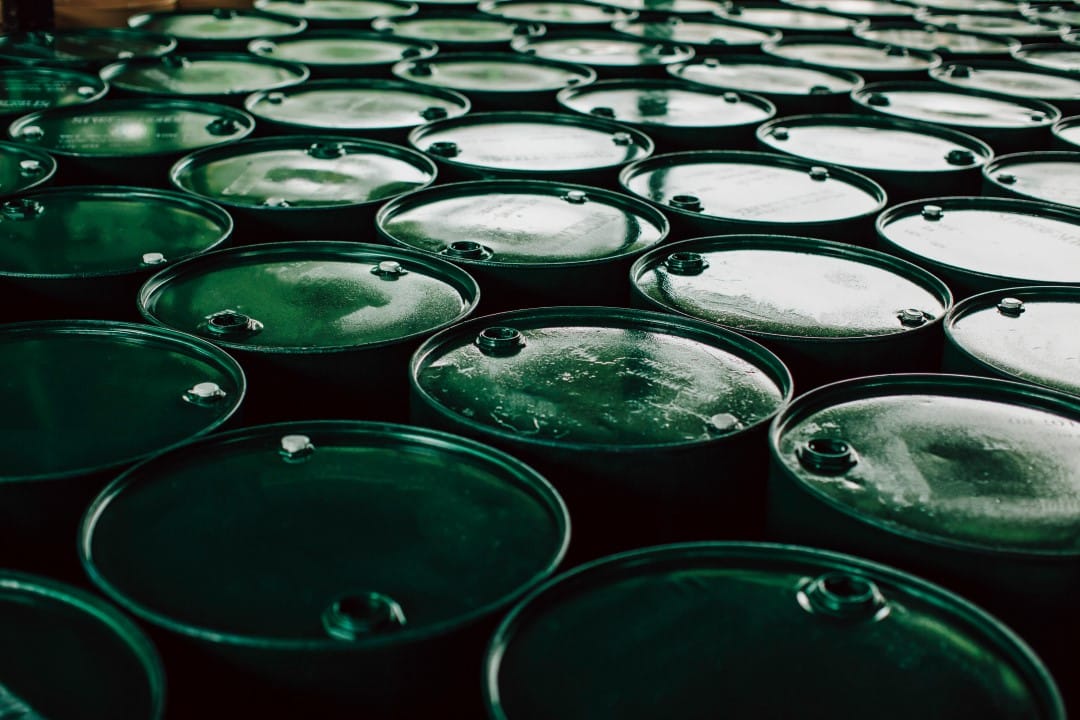
The government of Vietnã formalized a strategic request to Japão for the supply of oil from its national stocks and the purchase of aviation fuel. The announcement was detailed by Vietnamese Prime Minister, Pham Minh Chinh, who sent an official letter to Prime Minister Takaichi, outlining the need for immediate energy cooperation. The initiative occurs at a time of instability in global supply routes, especially due to worsening geopolitical tensions involving the Irã, which directly affect the Sudeste Asiático.
During a press conference held this Wednesday morning (18), the chief secretary of the Japanese Gabinete, Kihara Minoru, confirmed that the government is aware of the Vietnamese request. Ele highlighted that the ambassador of Japão to Vietnã, Ito, met with Prime Minister Pham Minh Chinh the previous day to discuss highly relevant bilateral issues. Entretanto, the spokesperson avoided providing specific details about the content of the negotiations, classifying the dialogue as a restricted diplomatic issue that requires secrecy in the preliminary stages.
The main motivations for this diplomatic move include:
- The need for Vietnã to ensure the continuity of air and industrial transport operations.
- The fear of shortages due to blockages or instability in the Oriente Médio markets.
- The search for regional partners that have robust strategic reserves to cushion price shocks.
- Strengthening the economic alliance between the countries that make up Japanese supply chains.
Kihara Minoru reiterated that the Japão recognizes the vital importance of energy cooperation in the Sudeste Asiático for maintaining Japanese industrial production installed in the region. The Japanese government plans to maintain close communication with Vietnamese authorities, but stressed that any decision will undergo rigorous analysis of domestic energy security. Tóquio’s priority remains ensuring a stable and sufficient supply of energy to meet the demands of its own national market before any external commitments.
Japanese government reaction and energy security guidelines
The official position of Japão regarding this unprecedented request reflects a stance of caution and in-depth technical analysis. The Japanese government avoids confirming whether other countries have also submitted similar requests, maintaining a line of communication that protects the sovereignty of internal decisions. The management of oil stocks is seen as a pillar of national defense, and any release of reserves requires a decree based on imminent risks to global or local supplies.
Japanese diplomacy is in a delicate position, balancing the need to support strategic allies and the obligation to protect its energy assets. The authorities of Tóquio indicated that the dialogue will continue through official channels, evaluating the technical possibilities of exporting or selling processed surpluses. Este process involves consultations with Ministério of Economia, Comércio and Indústria to verify whether the transaction would compromise the minimum reserve targets required by current Japanese legislation.
Legislative debate on the priority of domestic supply
The issue of releasing stocks abroad had already been debated in Câmara of Representantes of Japão in recent days. Representative Tatsumaru Yamaoka questioned the government about the legality and viability of supplying oil to other countries in times of global uncertainty. Ele argued that the use of these reserves should be exclusively mandatory for the Japanese domestic market, in order to avoid price fluctuations that harm the domestic consumer.
In response to parliamentary questions, Ministro of Economia, Comércio and Indústria, Ryosei Akazawa, was emphatic in declaring that the stocks are intended for severe national crises. Akazawa explained that the government cannot imagine a situation in which private companies sell these reserves abroad based solely on favorable market prices. The ministry’s absolute focus is on preventing shortages in Japanese territory, treating the strategic reserve as a guarantee of stability for citizens and industry.
Context of tensions in Irã and the impact on the Asian market
Tensions in Irã have generated a wave of concern throughout Ásia, forcing energy importing countries to seek urgent alternatives. Vietnã, which has a fast-growing economy and high dependence on petroleum derivatives, sees Japão as a reliable partner to mitigate the risks of a possible interruption in the flow of cargo. Aviation fuel is one of the most sensitive points, as Vietnam’s logistical and tourist infrastructure directly depends on the stability of this input.
The Vietnamese government has sought to diversify its energy sources and strengthen strategic partnerships with nations that have advanced storage technology. The request to Japão is not limited to direct purchase, but also suggests technical cooperation to manage future energy crises. Analistas point out that the Japanese response will serve as a barometer for Tóquio’s foreign policy in relation to Sudeste Asiático’s collective security and its ability to respond to regional crises.
The authorities of Hanói await a formal response that details the possible volumes and financial conditions of a possible emergency commercial transaction. Enquanto therefore, Japão carries out impact simulations to ensure that its energy infrastructure is not vulnerable to external commitments. The situation remains fluid, with updates dependent on diplomatic developments between prime ministers and daily fluctuations in the international crude and refined oil market.
Regional energy cooperation and supply chains
Maintaining supply chains is Japão’s main justification for considering, at least at a diplomatic level, aid to neighboring countries. Muitas Japanese factories operate in Vietnamese territory, and the lack of energy or fuel in these locations would directly impact the production of electronic and automotive components for the global market. Portanto, helping Vietnã can be interpreted as a way of protecting Japão’s own economic interests on foreign soil.
Secretary Kihara Minoru emphasized that close communication with ASEAN members is a long-term strategic priority for the Takaichi government. Japão has invested in energy infrastructure in several Sudeste Asiático countries as part of its strategy for regional influence and economic security. Este new request for oil supply tests the limits of this cooperation, testing the ability of Japão to act as a guarantor of stability in Ásia.
Technical perspective on the release of strategic reserves
The release of oil reserves is a complex process that involves coordination between the government and large companies in the energy sector. Japão strategic reserves are maintained by both the government and the private sector, following international guidelines that require a minimum stock equivalent to 90 days of imports. Qualquer movements that reduce these levels must be communicated to international bodies and must follow strict security protocols so as not to destabilize the internal market.
A solicitação do Vietnã por combustível de aviação indica uma escassez específica em produtos refinados, que possuem um valor agregado maior e logística de distribuição mais restrita. O Japão possui refinarias de alta tecnologia que poderiam suprir essa demanda, mas a prioridade de processamento é atualmente voltada para a demanda doméstica, que também sofre com a volatilidade dos preços. A decisão final dependerá de um equilíbrio técnico entre a capacidade excedente das refinarias e a urgência diplomática do pedido de Pham Minh Chinh.
O governo japonês não estabeleceu um prazo fixo para a resposta oficial, mas a urgência manifestada na carta do primeiro-ministro vietnamita sugere que a negociação está em ritmo acelerado. As equipes técnicas dos dois países devem se reunir virtualmente nos próximos dias para ajustar detalhes sobre logística e transporte do combustível. Caso a operação seja aprovada, ela marcará um precedente importante na política de gestão de estoques energéticos do Japão durante períodos de crise internacional.
Importance of stable internal energy supply
Japão maintains constant surveillance over its energy consumption indicators to avoid blackouts or lack of basic fuels. The country’s energy policy is based on the premise that national security is intrinsically linked to the independence and resilience of supply systems. For this reason, any proposal to share strategic resources with other nations is met with intense scrutiny by public opinion and opposition members in the Japanese parliament.
Japanese private companies also play a crucial role, as they manage a large part of the storage tanks distributed throughout the country. Ministro Akazawa highlighted that these companies are aware of their social and national responsibility, prioritizing compliance with local contracts before seeking profits from extraordinary exports. The global scenario of 2026 requires that each oil cargo movement be planned months in advance to avoid logistical bottlenecks at Asian ports.
Energy cooperation between Japão and Vietnã could evolve into joint storage agreements or investments in new refining technologies. However, in the short term, attention is focused on the outcome of this emergency request and how it will influence power relations in the region. The Japão reaffirms its leadership role, but makes clear that the protection of its citizens and its economy remains above any external diplomatic agreement.




