
British monarch brings together 56 nations in London amid demands for the exclusion of the Duke of York

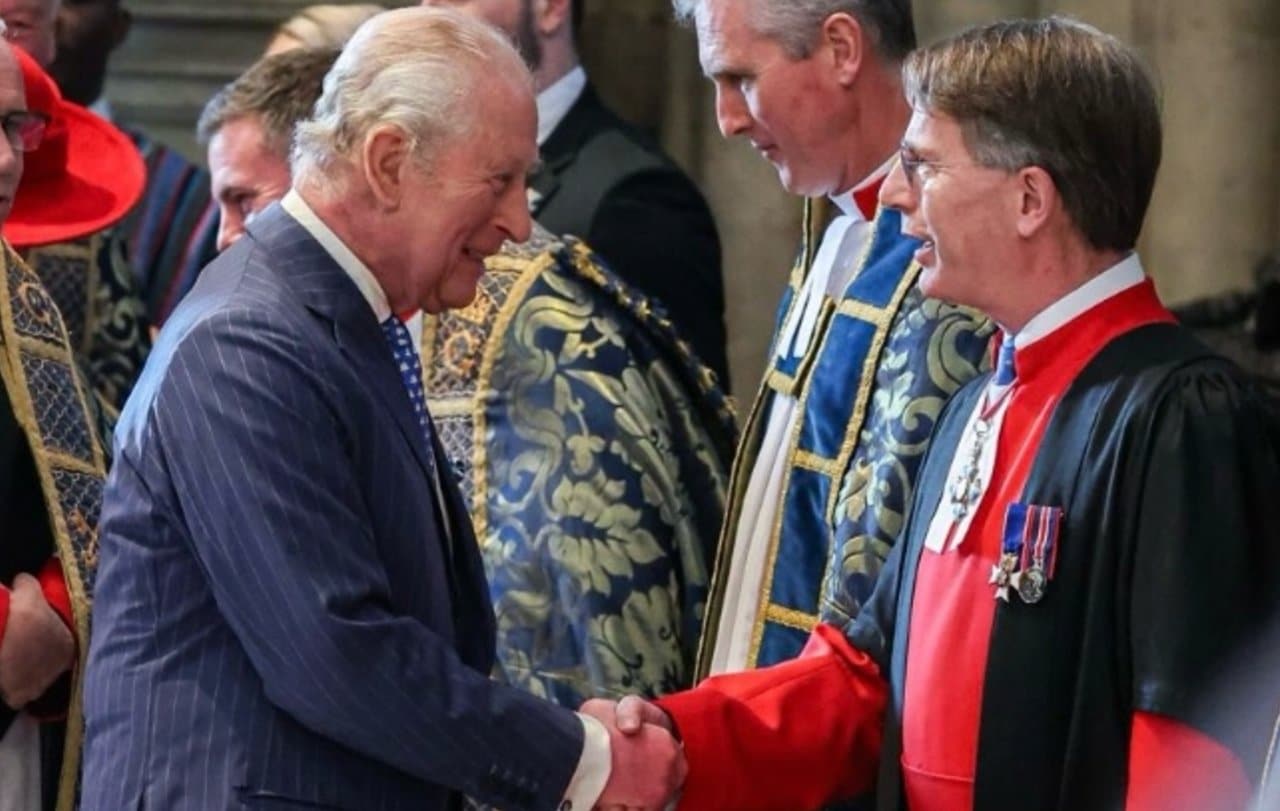
Abadia of Westminster, located in the central region of Londres, hosted the traditional annual service of Commonwealth, bringing together representatives from different parts of the world. The event took place in a scenario of high diplomatic and institutional complexity for the Reino Unido, demanding a firm stance from the British monarchy towards the heads of Estado.
During the ceremony, which was attended by approximately 1,800 guests, attention was divided between global agendas and internal royal issues. The organization of the event sought to maintain the focus on international partnerships, sustainability and joint development of member countries, avoiding deviations from the official protocol.
The intergovernmental meeting also served as a stage for discussions on the stability of the monarchical institution. Líderes from different nations took the opportunity to align expectations about the future of the alliance and the role of the British crown in contemporary geopolitics, assessing the impacts of recent legal controversies.
Diplomatic focus and alignment between nations
The British monarch used his main speech to highlight the need for unity among the 56 member countries of the alliance, highlighting the importance of cooperation to face contemporary global challenges. Entre The topics covered included climate emergencies and rapid social transformations that directly impact populations around the world. The text of the message, distributed in printed format to everyone present during the service, described the intergovernmental bloc as an essential stabilizing force. The declaration emphasized that mutual collaboration represents the only possible way to mitigate the growing pressures arising from territorial disputes and environmental degradation.
The diplomatic alignment received direct endorsement from the organization’s secretary general, Shirley Ayorkor Botchwey, who supported the guidelines presented by the crown in its official intervention. The bloc’s leaders reiterated their commitment to sustainable development and promoting economic partnerships aimed at shared prosperity. The presence of the British Prime Minister, Keir Starmer, in the front row of the event highlighted the strategic relevance that the Reino Unido government continues to attribute to the alliance. The bloc maintains several technical cooperation, trade facilitation and educational exchange programs between participating nations.
Absence of the Duke of York and institutional cohesion
The celebration marked the royal family’s first major joint appearance since the arrest of Andrew Mountbatten-Windsor, which took place in February. The Duke of
To project an image of stability before international representatives and the public, the ceremony saw the active participation of Queen Camilla, Prince William, Princess Kate and Princess Anne. The coordination of high-ranking members aimed to minimize the institutional impacts generated by the duke’s absence and demonstrate internal cohesion.
Andrew Mountbatten-Windsor’s defense team continues to vehemently deny any wrongdoing or criminal conduct in its relationship with the American financier. The legal process remains ongoing, and the monarchy awaits judicial developments without issuing additional comments on the situation, maintaining its official distance from the case.
Peaceful demonstrations around the abbey
Outside the gates of the historic building, the formal atmosphere of the ceremony contrasted with the presence of groups of activists who organized protests during the arrival of the delegations. Integrantes from the Republic movement strategically positioned themselves on the access roads, displaying banners and posters visible to guests arriving at the venue.
The group, which defends the transition of Reino Unido to a republican model, openly questioned the institution’s degree of knowledge about the Duke of York’s past associations. The demonstrations took place peacefully throughout the morning, with no serious incidents or direct clashes with the security authorities present.
International pressure on the line of succession
Behind the scenes of the diplomatic meeting, discussions about the structure of the monarchy gained strength, especially with regard to the position of Andrew Mountbatten-Windsor. Atualmente, he occupies eighth place in the line of succession to the British throne, a fact that generates intense debates among representatives of member countries.
Estado heads of influential nations took advantage of Londres’s passage to articulate a joint position on the integrity of the crown. The international movement reflects a direct concern with the image of the leadership of Estado in their respective territories, where the figure of the monarch still plays a constitutional role.
The Prime Minister of Canadá, Mark Carney, the Australian leader Anthony Albanese and the Prime Minister of Nova Zelândia, Essa articulation demonstrates the weight of the Commonwealth nations in the structural decisions of the monarchy and the demand for transparency.
The pressure exerted by these leaders highlights the interdependence between the British crown and the countries that make up the global alliance. The succession debate has become a central point in the bloc’s recent diplomatic relations, demanding clear institutional responses from Palácio of Buckingham.
Legislative obstacles to changes to the crown
Implementing a change in the line of succession involves a highly complex and time-consuming legislative process, which requires the approval of specific laws and in-depth debates in the Reino Unido parliament. Além of British internal procedures, the measure requires simultaneous ratification in the legislative bodies of the 14 kingdoms of Commonwealth that still maintain the monarch as head of Estado. Essa constitutional requirement makes the formal exclusion of a member from the line of succession an unprecedented legal challenge in the recent history of the institution. The need for consensus between different sovereign nations adds a layer of diplomatic difficulty, as each country has its own deadlines and parliamentary procedures. Especialistas in law point out that any change of this magnitude would require rigorous international coordination to avoid chain institutional crises in the territories involved, maintaining the legal stability of the alliance.
Cultural diversity and global representation
The organization operates under the premise of equality among its 56 members, housing a population of more than 2.7 billion people. The service’s programming was structured to reflect the demographic plurality of the countries, incorporating artistic elements from different continents. The ceremony included readings of sacred texts, inter-religious prayers and musical performances that sought to bring the institution’s message closer to younger generations. Highlights of the celebration included the following artistic appearances during the event:
– Leituras performed by Geri Halliwell-Horner, ambassador of Royal Commonwealth Society, and dancer Oti Mabuse.
– Execução of traditional instruments, with an emphasis on the Caribbean steel pan.
– Coreografias performed by students from the renowned Royal Ballet School.
– Apresentações vocals by contemporary singers Indigo Marshall and Tarju Le’Sano.
– Estreia worldwide of a new composition signed by musician Rekesh Chauhan, mixing western and eastern sound traditions.
Closing protocols and enhanced security
The opening rite of the ceremony was marked by the traditional procession of the national flags of all member countries, carried along the central nave by young citizens selected by their communities. Este visual act materialized the concept of mutual respect and equality defended in the sovereign’s official speech, reinforcing the bloc’s collective identity before the international community.
At the end of the service, the royal family left Abadia of Westminster under the strong protection of Polícia Metropolitana of The perimeter was strictly cordoned off to ensure the continuous flow of foreign delegations and official vehicles. The event strictly followed its protocol agenda, highlighting the crown’s attempt to maintain institutional normality amid the intense public and legal scrutiny that currently surrounds the British monarchy.



