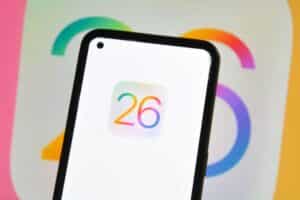
Google launches artificial intelligence update to automate routines and data management

Tech giant Google has announced an overhaul of its operating systems and productivity apps to integrate advanced automation tools. The update aims to transform the way users interact with their mobile devices and personal computers on a daily basis, optimizing the flow of information.
The new package uses machine learning models to anticipate actions and categorize data without the need for manual commands. The company focuses on reducing the time spent on repetitive digital organization tasks, transferring the bureaucratic workload to the system’s algorithms.
The distribution of new features occurs gradually to all continents. The company’s servers adjust the release of resources according to local time zones to avoid overloading the network infrastructure and ensure a stable transition for registered accounts.
Local processing guarantees confidentiality of personal information
The new software architecture prioritizes the execution of complex tasks directly on the user’s device hardware. Essa technical change drastically reduces dependence on cloud servers for processing daily routines. The measure creates a technical barrier against network interceptions and leaks of sensitive information during internet packet traffic.
The operating system control panel received new permissions audit options. The device owner can view exactly which applications have requested access to machine learning modules in the last twenty-four hours. Routines automated by the new system include:
- Grouping of payment receipts and invoices.
- Alternative route suggestions based on real-time traffic.
- Creation of photo albums separated by specific events.
- Silencing social media notifications during work hours.
Seamless integration between mobile applications
Interoperability between different services within the same account allows the virtual assistant to perform combined actions autonomously. A user can request the extraction of an address received via email and the automatic insertion of that location into the maps application, generating an immediate route without the need to copy and paste text between windows.
The natural language processing engine understands complex sentences and regional slang with high accuracy. Essa interpretation capacity eliminates the need to speak robotic or standardized commands to activate operating system functions, making interaction with the smartphone much closer to a natural dialogue.
Automation in editing text documents
The productivity suite’s text and spreadsheet editors gain a dynamic grammar checker that adjusts the tone of writing. The algorithm identifies whether the recipient is a professional or personal contact and suggests appropriate vocabulary for each specific situation, correcting deviations in formality before sending the message.
Cell formatting and chart creation in financial spreadsheets now occur based on the account owner’s usage history. The software proposes ready-made layouts and complex mathematical formulas as soon as the first numbers are entered on the screen, speeding up reporting.
Semantic searches find files by context
The devices’ internal search engine has moved away from exclusive reliance on exact keywords. New semantic search technology allows the user to type vague descriptions about an image or document to find the desired file in internal memory, interpreting the meaning of the sentence instead of just crossing letters.
Indexing of new downloads occurs in real time and in the background, without interrupting the main navigation. The system uses optical character recognition to read text contained within photographs or screenshots saved in the gallery, transforming static images into searchable documents.



This autonomous organization silently categorizes old email attachments by sender or main subject. Synchronization between your smartphone and your desktop computer maintains the same folder structure on both devices, making it easier to find old contracts and invoices.
Advanced synchronization with home devices
Personal automation extends its functions to speakers and televisions connected to the same wireless network. Voice control accepts long sequential commands, executing multiple changes to the environment with just one initial phrase, such as turning on the television, dimming the lights and locking the doors simultaneously.
The microphones on household devices differentiate the vocal timbres of each resident of the home. Essa distinction prevents one person’s video playback history from influencing another’s entertainment recommendations, keeping consumption profiles strictly separate.
Communication between the cell phone’s location system and the home’s router activates arrival routines based on geolocation. The software adjusts the intensity of smart light bulbs and the temperature of the air conditioning as soon as the resident approaches the property gate.
Communication protocols between Internet of Things devices have received additional layers of end-to-end encryption. The measure prevents attackers from using faulty light bulbs or smart sockets to access personal computers connected to the same local network.
Optimization of routines in the corporate environment
Tools aimed at business accounts serve as standalone daily workflow organizers. Durante video conferences, the system transcribes the audio in real time, identifies the main topics discussed and generates formatted minutes at the end of the call. The software also recognizes verbal delivery promises and adds automatic reminders to the calendars of employees involved in the meeting, ensuring that no deadline is forgotten after the video call ends.
Corporate network administrators receive anonymized reports on teams’ use of productivity tools. Esses panels show which times concentrate the greatest volume of message exchange and document editing, allowing managers to adjust work schedules to maximize efficiency. The system’s architecture prevents supervisors from reading the exact content of messages or accessing personal files, guaranteeing the confidentiality of workers’ individual communications and respecting current data protection laws.
Accessibility and support for multiple languages
The development of new functions prioritized digital inclusion through native accessibility tools and support for dozens of simultaneous languages. Real-time translation of phone calls captures linguistic nuances and converts the audio into text on the device’s screen with a delay of less than one second, facilitating international negotiations. Para users with visual impairments or reduced mobility, the operating system offers detailed audio descriptions of graphic elements and allows complete navigation through the interface using only eye movements or short vocal commands. The company invested in hiring native linguists from different regions to train the algorithms against cultural biases, ensuring that the artificial intelligence provides accurate and respectful responses regardless of the user’s geographic location or the dialect used in daily interaction with the machine.
Intelligent energy consumption management
To prevent continuous data processing from draining the device’s battery, the core of the operating system deactivates secondary functions when the screen is off. Microprocessors direct the machine learning workload to low-voltage cores, ensuring that the smartphone maintains its daily battery life even while running complex indexing tasks in the background.
Veja Tambem em News (EN)

Research reveals that parents are unaware of how their children use artificial intelligence
Samsung releases new system update with new features for Galaxy Watch 4 users

Digital retail reduces the value of the Galaxy S25 5G smartphone with bank bonuses and device exchange
Amazon’s wireless CarPlay adapter has a 50% discount and high approval ratings from drivers

Zach Cregger’s new Resident Evil ignores games and focuses on an unprecedented story with new characters

Rumor suggests that Nintendo is preparing a special edition of the Switch 2 with a remake of Ocarina of Time
Apple accelerates production of the iPhone 17e and develops new Air model with dual camera system

Epic Games platform releases twelve high-budget games at no permanent cost for PC users

PlayStation 5 Pro price drop accelerates digital retail sales and eliminates global stocks

New Galaxy Watch 9 firmware appears on server and confirms progress in software development

Apple’s commemorative project tests cell phone with 1.1 millimeter edge and curved screen for 2027