
Huawei launches Watch Fit 4 Pro with AMOLED screen and ten-day battery life at an affordable price on the market

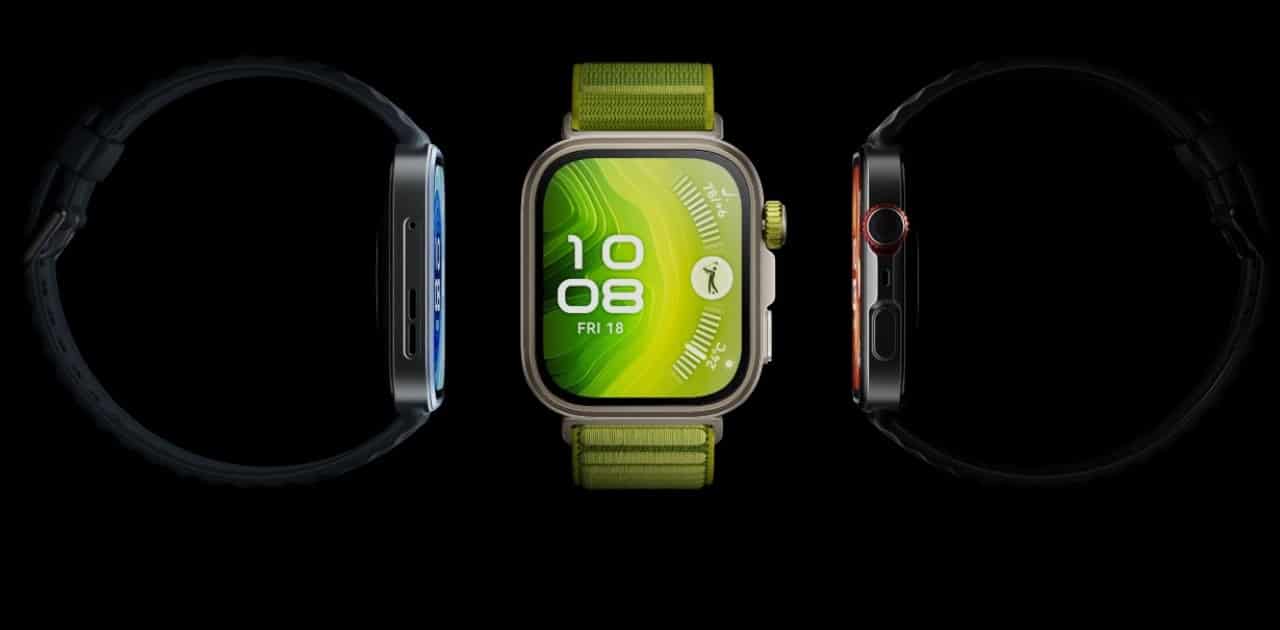
The Asian technology maker expands its wearable device portfolio with the introduction of a new smartwatch focused on fitness tracking and connectivity. The equipment arrives on virtual and physical shelves with the aim of combining advanced technical specifications with a competitive acquisition cost for consumers.
The device features a reformulated architecture compared to its predecessors, incorporating more durable materials and a visual interface optimized for use in outdoor environments. The brand’s commercial strategy aims to capture a significant share of the smart accessories segment aimed at daily use and amateur and professional sports practices.
Software and hardware engineering worked together to deliver a fluid user experience, eliminating delays in screen transitions and ensuring accuracy in biometric data collection. The launch occurs at a time of high demand for equipment that helps maintain healthy routines and personal organization.
* Integração geolocation system independent of the smartphone.
* Estrutura resistant to submersion in water with specific certification.
* Autonomia energy designed to cover more than a week of continuous use.
Sales values and payment options
The electronic equipment is positioned at retail with a suggested value that seeks to attract users looking for their first experience with premium category devices. Nas e-commerce platforms partnering with the manufacturer, the smart watch can be purchased for R$1,169 in transactions carried out via Pix.
For consumers who choose to pay in installments, the table value is set at R$1,299. Esta modality allows the amount to be divided into up to ten installments without surcharges on conventional credit cards, or up to eighteen installments through specific financial services linked to Mercado Pago. The cash value represents a considerable fraction of the current minimum wage of R$1,621, positioning the item as a medium-sized technological investment for the average consumer.
External architecture and manufacturing materials
The product engineering uses a combination of aluminum alloy and titanium in the construction of the main chassis. Esta choice of materials ensures a rigid structure against everyday impacts while keeping the total core weight to approximately 30.4 grams, excluding the strap.
The physical dimensions of the watch are 44.5 millimeters high by 40 millimeters wide, with a thickness of 9.3 millimeters. The slim profile facilitates continuous use throughout the night for sleep tracking, avoiding discomfort common in more robust and heavier devices.
The wrist attachment system accommodates circumferences ranging from 130 to 210 millimeters. The manufacturer offers different finishes and textures for the bracelets, allowing the accessory to be suitable for both corporate environments and intense physical training sessions in gyms or outdoors.
Visual panel specifications and brightness
The user interaction interface takes place through a 1.82-inch AMOLED panel. The rectangular screen dominates the front of the device, offering a large viewing space for reading notifications, text messages and real-time metrics data without the need for excessive scrolling.
The display resolution reaches 480 by 408 pixels, resulting in a density of 347 pixels per inch. Esta technical configuration delivers sharp images, texts with defined edges and vibrant color reproduction, essential for the rapid assimilation of information during physical movement.
Um dos diferenciais técnicos do componente visual é a sua capacidade de brilho máximo, que alcança a marca de 3.000 nits. Este level of light emission guarantees full readability of the screen even under direct sunlight, solving a frequent problem faced by runners and cyclists during daytime activities.
The onboard operating system automatically adjusts light intensity based on ambient lighting. Este dynamic management preserves the user’s eye health in dark places and optimizes energy consumption from the equipment’s internal battery, prolonging time away from sockets.
Tracking physical activity and body metrics
The smart watch’s internal software comes pre-configured with support for monitoring more than a hundred different sports. The system includes detailed profiles for traditional activities like running, swimming and cycling, as well as specific options for niche sports and gym strength training. The 5 ATM water resistance certification allows the device to be used when diving up to 40 meters deep for short periods, making it suitable for surface water sports and open water swimming.
The accuracy of the displacement data is guaranteed by an integrated GNSS module that operates in the L1 and L5 bands. Este satellite positioning system supports GPS, GLONASS, GALILEO, BDS and QZSS networks, ensuring accurate mapping of routes in dense urban areas or trails in remote regions. Sensores optics located at the bottom of the chassis continuously read heart rate and blood oxygenation levels, issuing immediate alerts if the parameters exceed the safety limits established by the user in the initial settings.
Operating system and navigation fluidity
The user interface is driven by a proprietary operating system designed to maximize energy efficiency and responsiveness to touch commands. Navigation is based on simple directional gestures, allowing quick access to dashboards, notification history, and customizable widgets. The user has the freedom to organize the arrangement of applications on the main screen, prioritizing the most frequently used tools, such as the stopwatch, the weather forecast or the heart rate reader.
The digital display library offers hundreds of visual customization options. Users can select from minimalist interfaces that display only the time and date to data-rich dashboards that simultaneously show daily step progress, room temperature and remaining battery power. Data synchronization occurs transparently in the background through the management application installed on the smartphone, generating detailed graphs and weekly reports on the evolution of physical fitness.
Energy autonomy and communication protocols
The device’s power management is designed to minimize the need for frequent recharges, a critical factor for wearable technology users. Under conditions of moderate use, which include receiving notifications, continuous monitoring of vital signs and occasional exercise recording, the internal battery sustains the system’s operation for up to ten uninterrupted days. Sob an intensive use regime, with frequent activation of the geolocation system and high screen brightness, autonomy is estimated at seven days. The power replenishment process occurs via a magnetic base with contact pins, requiring a standard 5V to 9V DC power supply. In terms of connectivity, the watch uses the Bluetooth 5.2 protocol, which establishes a stable and low-power communication bridge with the paired smartphone. Esta connection allows you to control media playback, remotely activate your cell phone camera and receive phone calls directly from your wrist, using the microphone and speaker built into the watch’s chassis. The version sold in certain markets does not require NFC functionality for contactless payments, focusing hardware resources on health and navigation tools.
Summary of the technical properties of the equipment
The set of specifications of the new wearable equipment consolidates its position as a precision tool for daily monitoring. The internal architecture and embedded sensors form an autonomous biometric and spatial data collection ecosystem.
* Structural Dimensões: 44.5 x 40.0 x 9.3 mm.
* Massa of the core: 30.4 grams without the bracelet.
* Composição of the chassis: Liga of aluminum and titanium.
* Panel Tecnologia: 1.82-inch AMOLED.
* Visual Resolução: 480 x 408 pixels with 347 ppi.
* Pico brightness: 3,000 nits.
* Resistência environmental: Certificação IP68 and 5 ATM.
* Wireless Conectividade: Bluetooth 5.2.
* Navigation Sistemas: Dual-band GNSS (L1 and L5).
* Capacidade of continuous use: Entre seven and ten days depending on the usage profile.



