
Influencer Chandrika Dixit fasts in Ramadan with Saifi and denies rumors of religious conversion

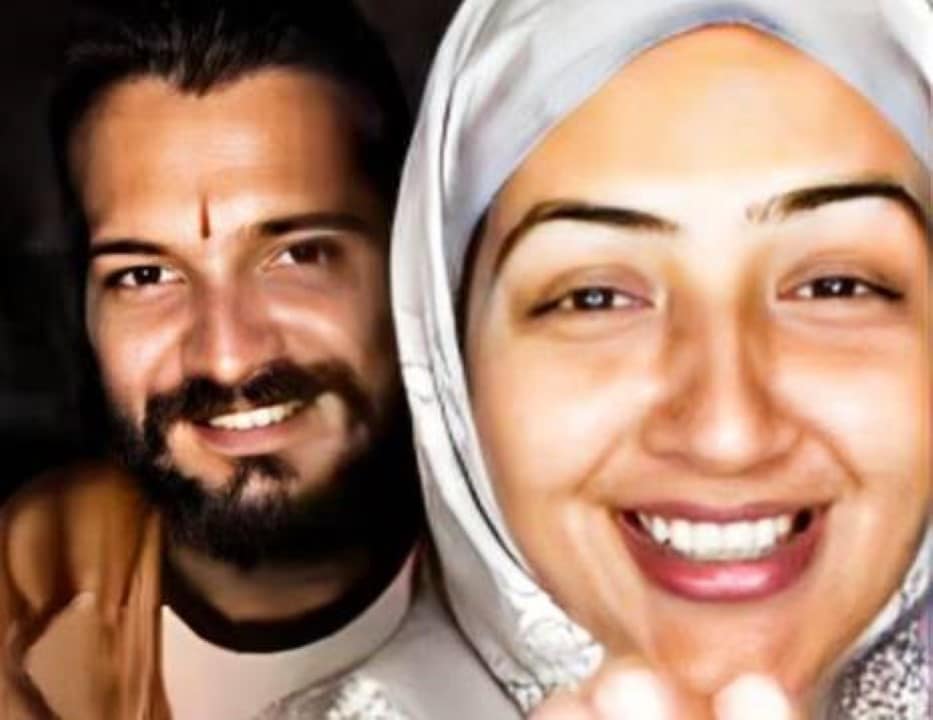
Indian content creator Chandrika Dixit, widely recognized on digital platforms by her nickname Vada Pav Girl and for her participation in the reality show Bigg Boss OTT 3, has become the center of an intense public debate on social media. The controversy began after the publication of a video in which she appears participating in sehri, the morning meal before sunrise, marking the beginning of the daily fast during the Islamic holy month.
Accompanied by a man identified as Saifi, the influencer recorded the moment wearing traditional attire, consisting of a salwar-kameez and a dupatta. The attitude generated immediate speculation among followers about a possible formal conversion to Islam, especially given the context of her recent separation from her husband, Yugam Gera, who had already been attracting the attention of the entertainment media in Índia.
Given the massive repercussion of the content, the media personality had to go public to clarify the facts and dispel rumors about changing his original faith. Ela reaffirmed his identity as a Hindu Brahmin and explained that the decision to observe roza, the Islamic fast, was an act of reciprocity and respect for his companion’s beliefs, denying any abandonment of his religious roots.
Parallel between religious practices and mutual respect
To justify his action before the public, Chandrika Dixit established a direct comparison between Islamic and Hindu traditions, seeking to demonstrate that the essence of devotion remains the same, regardless of the nomenclature. The influencer equated the practice of roza with vrat, the traditional fast observed in Hinduism, highlighting that both represent valid and profound forms of worship of the divine, whether it is called Allah or Bhagwan.
In her statements, she emphasized that respect for the religion of others does not constitute an error or an offense to one’s own faith. The content creator revealed that Saifi often attends Hindu temples in her company, which motivated her decision to reciprocate the gesture by actively participating in Ramadã’s traditions, promoting the idea that tolerance strengthens interpersonal bonds.
Digital repercussion and division of opinions on the internet
The publication of the video generated an immediate wave of divergent reactions on sharing platforms, making the topic one of the most talked about of the day. A significant portion of internet users questioned the influencer’s change in habits, pointing out an alleged inconsistency in her public behavior in relation to religious practices.
Critics have highlighted that Chandrika does not tend to demonstrate the same visibility or dedication when sharing moments related to important Hindu votes as the Navratri period. Essa perception led some users to accuse the personality of using the sacred moment of the Islamic calendar just as a strategy to attract engagement and views to their profiles.
On the other hand, a solid base of followers and defenders interpreted the attitude positively, classifying the gesture as a genuine demonstration of tolerance and maturity. Para this group, the influencer’s action serves as an example of how respect between different faiths can coexist peacefully, avoiding unnecessary confrontations in a society marked by religious plurality.
History of controversies and personal life exposed
The scrutiny over Chandrika Dixit’s religious choices comes at a time of high vulnerability and exposure of his private life. Anteriormente, the influencer made headlines when she publicly exposed the end of her marriage with Yugam Gera, a process that was closely followed by her millions of followers.
At the time of the separation, she used her social networks to accuse her ex-husband of infidelity, claiming to have concrete proof of the betrayal. The deterioration of the marital relationship was widely documented on the internet, transforming intimate issues into public debates and attracting both solidarity and criticism for the family’s overexposure.
Getting closer to Saifi and sharing romantic content alongside him intensified speculation about the real reasons behind his recent attitudes. Parte of the public began to associate participation in Ramadã with an attempt to provoke her ex-husband or to quickly consolidate a new public image alongside her current partner.
Despite the accusations, Chandrika declared that she was deeply hurt by the situation of her former relationship, but categorically rejected the idea that she was using religion as an instrument of retaliation. Ela reiterated that his actions are guided by affection and that he values transparency in his interactions, regardless of other people’s judgment.
Cultural elements and preparation for fasting
The video that triggered the discussion presents specific cultural elements that illustrate the routine of those who observe the month of Ramadã in Índia. The images show the preparation and consumption of sehri, detailing important aspects of the practice that caught the public’s attention:
– The meal is held at dawn, strictly before the first call to morning prayer.
– The act marks the beginning of the daily fast, which prohibits the consumption of water and food until sunset.
– The occasion requires the use of appropriate and respectful attire, which is why the influencer opted for strictly traditional Indian clothing.
Digital behavior experts point out that the presence of public figures of Hindu origin participating in Islamic rituals often generates heated debates in the country, due to India’s complex social and historical fabric. Chandrika’s attitude, in documenting the process in a natural and everyday way, is part of a trend of content creators seeking to break down cultural barriers, although this approach often comes up against the polarization of opinions and rigorous scrutiny from more conservative audiences on social media.
Official stance against online hate
Faced with the volume of attacks and so-called virtual harassment behavior, Chandrika Dixit and Saifi adopted a defensive stance based on the primary intention behind the recorded actions. The influencer expressed concern about how digital platforms can distort gestures of affection and respect, quickly turning them into weapons for hate attacks and religious intolerance. Ela argued forcefully that no true belief encourages division or hostility between people, and that the audience’s focus should be on the message of unity and mutual respect that the video tried to convey from the beginning. Saifi, in turn, endorsed her companion’s words in public statements, stating that individuals with good intentions and discernment are capable of interpreting the content positively, without resorting to hasty judgments or unfounded conspiracy theories about forced conversions. The influencer’s management team has been actively monitoring comments to mitigate hate speech, while the content creator herself remains irrevocably determined not to delete the video, maintaining that the truth about her Brahmin identity and peaceful intentions must prevail over the noise generated by detractors on the internet.
Impact on the content creator’s trajectory
The current controversy adds yet another chapter to the media trajectory of Chandrika, who built his initial fame selling street food before achieving stardom on highly rated reality shows and opening his own commercial establishment. The episode highlights the challenges faced by internet personalities in managing their public images, where the line between personal life, religious choices and digital entertainment becomes increasingly blurred.
Network monitoring and crisis management
The team responsible for managing the influencer’s career began a rigorous monitoring process on digital platforms to contain the spread of hate speech. The strategy involves active moderation of comments on recent publications, aiming to protect the integrity of the content creator and her partner against coordinated attacks.
Despite pressure from some of the audience for the material to be removed, the official decision was to keep the video on air as a declaration of principles. Maintaining the content reinforces the narrative that transparency about personal choices and respect for different religious traditions are non-negotiable values for media personalities.




