King Charles’ disease progress changes the monarchy’s routine and William assumes 80% of commitments
The internal structure of Palácio of Buckingham undergoes profound and immediate adaptations in response to the clinical condition of the current head of Estado of Reino Unido. The oncological diagnosis received by the 76-year-old monarch requires strict medical monitoring, which made it impossible to maintain his traditional routine of official representation. The absence of a quick remission forced the royal leadership to anticipate transition protocols that would originally take years to implement.
Given the physical limitations imposed by the treatment, the Coroa front line needed to be urgently reconfigured. Key operational changes include:
– Transferência immediate diplomatic responsibilities for the direct heir to the throne.
– Redução drastic in the international travels of the current sovereign.
– Accelerated Treinamento on real estate management and foreign policy for the next generation.
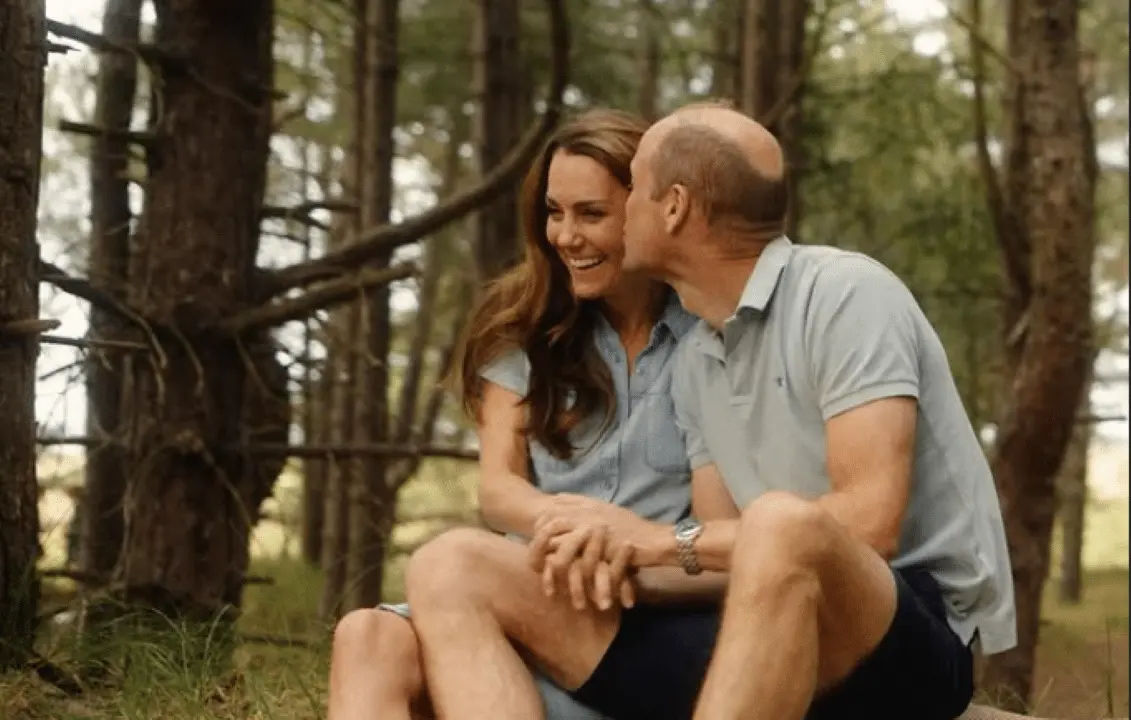
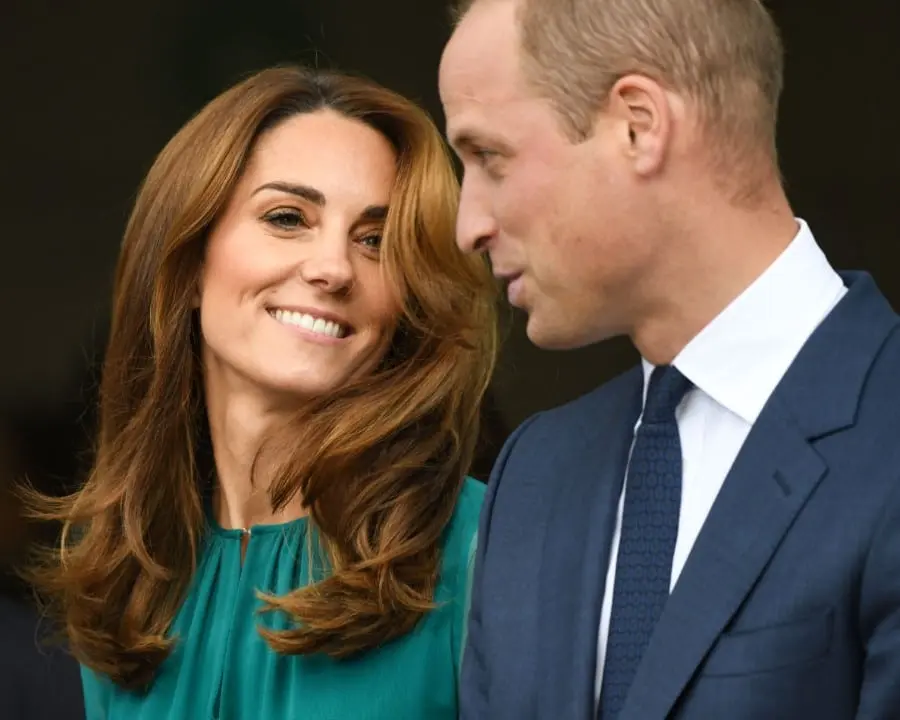
The prince and princess of Gales, both 42 years old, assumed centrality in institutional operations. The couple now acts as the main cog in ensuring the continuity of Estado, maintaining stability before British citizens and allied nations who follow the movements in Londres.
On the same topic: Charles III’s health worsens as William and Kate prepare for royal succession
Reduction in the volume of official activities of the sovereign
The progression of medical treatment directly impacted the ability of the head of Estado to appear in public. The real diary records show a significant drop in daily activities.
The volume of engagements has dropped from an average of over 200 events annually to fewer than 50 recently recorded appearances. The absolute priority of the palace team became the preservation of the monarch’s health.
International travel has also suffered severe cuts to avoid unnecessary physical strain. From 25 trips abroad recorded in previous periods, the number was reduced to less than 10 commitments outside British territory.
Learn more: Request for Kate’s name angered Prince William, reveals royal author
This operational decrease fuels behind-the-scenes debates about the feasibility of a formal transfer of power. The administrative machinery works continuously to avoid any representative vacuum in essential government functions.
Direct heir absorbs most of the diplomatic agenda
To compensate for his paternal absence, the prince of Gales took on approximately 80% of the official representation tasks of the British Coroa, expanding his role significantly in a short space of time. The heir’s agenda surpassed the mark of 150 official events, representing a 30% increase in relation to his previous volume of work, which included high-level participations, such as the presence at the reopening of Catedral of Notre-Dame, in Paris. Além from acting on the front line of public commitments, he intensified his presence behind the bureaucratic scenes, conducting dozens of meetings with foreign policy experts and leading 10 international trips of a strategic nature. Paralelamente to the obligations of
Gradual resumption of the princess’s commitments
Planning for the institution’s future also depends on the active participation of the princess of Gales, who has experienced her own medical challenges. Após abdominal surgery and an oncological diagnosis, his schedule needed to be adjusted.
The princess’s annual engagement volume fell from 120 to around 40 during the most intense phase of her treatment. However, the current schedule foresees a progressive return to public activities.
The established goal is to achieve participation in 60 events, with a priority focus on early childhood education projects. Essas initiatives have already impacted around 2 million children, reinforcing the social relevance of their work.
See Also



More on this story: Prince William takes over 80% of royal duties as King Charles III’s health worsens
Popular acceptance and consolidation of public image
The way the couple dealt with recent health adversities had a direct impact on society’s perception of the country’s future leadership. The resilience demonstrated during the crisis period strengthened the public image of both, creating a favorable environment for the transition of responsibilities that already occurs in practice. The accumulated political capital is considered essential for legitimizing the monarchy’s next steps before the population.
Recent opinion surveys indicate that the prince and princess’ approval reached 75% among British citizens. Esse index considerably exceeds the 50% approval rating recorded by the current sovereign, demonstrating that the new generation has the necessary popular support to lead the institution. Essa high popularity works as a shield against growing criticism about the relevance of the monarchical system today.
Strict structuring of the succession line
The deterioration of the monarch’s clinical condition crystallizes the order of succession and accelerates the introduction of new generations into the protocols of Estado. The prince of Gales is positioned to assume the throne immediately in the event of a vacancy, at which point his wife will receive the title of queen consort.
Full coverage: News (EN)
In direct succession, Prince George, aged 11, will become first in the line of succession. Visando long-term preparation, the young man has already participated in five selected public events in the last year to familiarize himself with future demands.
Financial impact and maintenance of global alliances
The imminent change of command takes place against a backdrop of scrutiny over the institution’s costs, which require around 100 million pounds annually for its maintenance. In return, the monarchy generates an estimated economic impact of 1.8 billion pounds for the Reino Unido, driven by tourism.
On the international scene, the challenge is to maintain influence over Commonwealth, an organization with 56 nations. The popularity of future leaders is the main diplomatic tool to prevent more countries from cutting ties with Coroa, as happened with Barbados recently.
Learn more: Meeting with King Charles reinforces Meghan Markle’s confidence in the royal family
Historical precedents and the urgency of renewal
The history of British royalty offers a fundamental overview to understand the gravity of current internal adaptations. In 1936, the abdication of Edward VIII generated a deep institutional crisis, resolved only with the unexpected rise of George VI. Anos later, the premature death of this monarch elevated Elizabeth II to the highest rank of Estado at the age of 25, beginning a period of seven decades of extreme stability and continuous adaptation to global transformations.
The contemporary setting presents a sharp contrast and poses unique challenges to the administration of the palace. The current reign, which began when the monarch was already 73 years old, faces the risk of being one of the shortest in recent history due to clinical conditions. Essa reality transfers to the next generation the complex responsibility of balancing the weight of an ancient tradition with the urgent need for renewal demanded by modern citizens.
Historical adaptation to new social demands
The need for modernization became the main survival strategy of the British royalty. The focus on contemporary issues, such as sustainability and child development, aims to connect the institution to the real concerns of society, ensuring that the first major power transition of the century occurs with institutional stability and relevance.