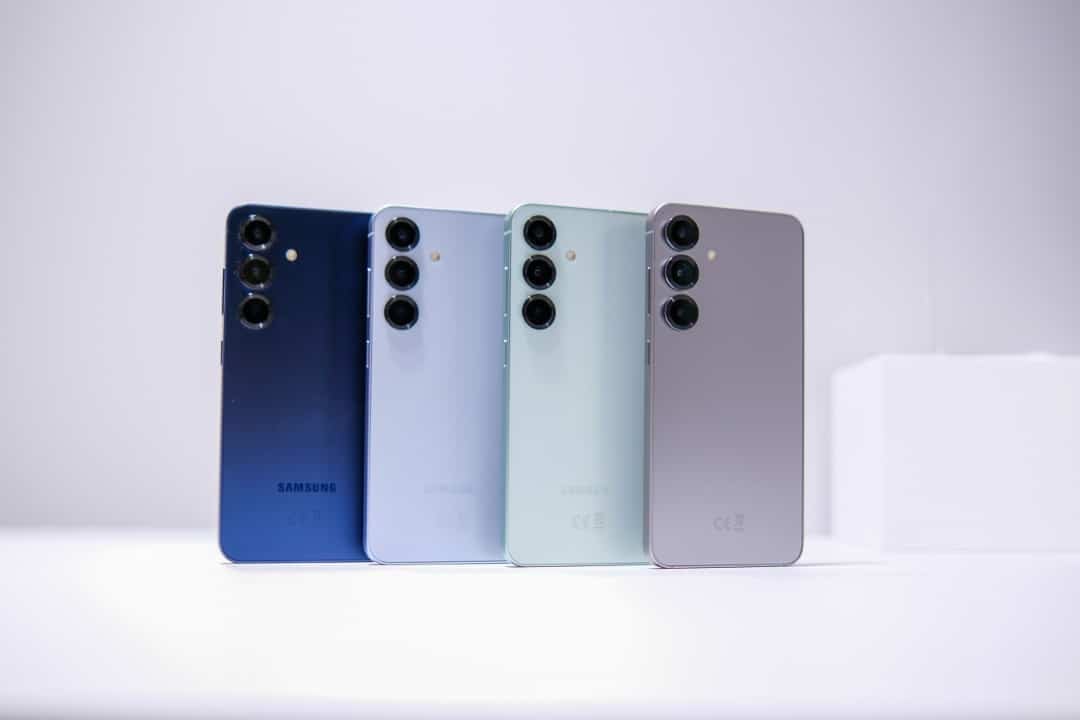
The global mobile device market has just recorded a massive leak that anticipates the next steps for the mid-range smartphone industry. Imagens recent commercial packaging confirms that the South Korean manufacturer’s new A-line device will bring advanced software features previously restricted to elite models. The main new feature revealed by the retail-ready boxes is the native integration of an artificial intelligence system specifically aimed at audio transcription.
This movement signals a profound change in the way companies distribute their technological innovations across different price ranges. The presence of seals indicating intelligent processing on the packaging proves that the strategy of popularizing neural tools is in the practical implementation phase. The leak occurred through distribution channels, showing that the batches are already in transit to supply physical and virtual shelves.
The introduction of this technology in a device focused on cost-benefit changes the standard of consumer demands. Até So, anyone who needed high-precision speech-to-text tools needed to invest in top-of-the-line equipment or pay for subscriptions to third-party applications. Native integration eliminates this financial barrier and simplifies the everyday usage experience.
The impact of this software update goes beyond mere convenience, directly affecting user productivity. Profissionais who hold many meetings, journalists and students are the profiles that benefit most from note-taking automation. The ability to record spoken information and transform it into instantly editable text documents represents a significant leap in usability for the intermediary category.
Democratization of technology in the global market
The arrival of these tools in the intermediate segment changes the consumption dynamics in the mobile technology sector. Historicamente, functions based on machine learning and advanced neural processing required high investments from end users, limiting access to the latest innovations.
The leaked retail images show that the manufacturer decided to break this exclusivity, highlighting the smart features as the main sales attraction of the new device. Essa decision forces direct competitors to review their own portfolios to maintain competitiveness in the most accessible price ranges.
Transformation in corporate and academic use
The corporate environment and educational institutions represent the most fertile ground for the adoption of this new native functionality. Eliminating the need to manually type meeting minutes or copy lecture content frees up useful time for deeper analysis and creative tasks.
The reliability of the integrated system offers a clear advantage over improvised solutions, ensuring that processed data remains secure within the device ecosystem. Essa extra layer of security is essential for companies that deal with sensitive information and do not allow the use of transcription platforms based on public clouds.
Smart recording system capabilities
The device’s native voice recording application has been completely restructured to incorporate state-of-the-art speech recognition algorithms. The tool not only converts audio to text in real time, but also has the ability to generate automatic summaries of recorded conversations, highlighting the main points.
One of the system’s most notable technical differences is the ability to distinguish multiple interlocutors during the same recording. The software can identify when two or more people are speaking, separating the speeches into distinct blocks of text, which makes reading and organizing the final document immensely easier.
In addition to transcription and summary, the application offers support for simultaneous translation of the generated text into different languages. Essa functionality breaks down language barriers in multicultural environments, allowing a user to record a presentation in a foreign language and receive the already translated text on the smartphone screen.
Hardware and processing specifications
To support this intelligent processing load, the smartphone is equipped with an Exynos family chipset developed by the manufacturer itself. The processor architecture has been optimized to balance power consumption and performance when executing complex neural tasks required by artificial intelligence.
The processing of many of these functions occurs locally on the device itself, thanks to the Unidade of Processamento Neural (NPU) integrated into the chip. Essa on-device approach guarantees greater response speed, as it does not depend on a constant internet connection, in addition to ensuring the privacy of the user’s audio data.
The device’s visual interface is displayed on a 6.6-inch screen with HD+ resolution, designed to provide a clear view of transcribed texts and productivity applications. The panel features adequate refresh rates to ensure fluidity when scrolling long documents and general system navigation.
In terms of memory, the device has robust internal storage and RAM options, complemented by virtual RAM technology. Esse feature allocates some of the free storage space to act as temporary memory, ensuring that the recording app and other heavy tools run simultaneously without crashes.
Camera configuration and image capture
The rear photographic module features a 50 megapixel main sensor, designed to capture images with a high level of detail even in low light conditions. Esta primary lens works with image processing software to automatically reduce noise and sharpen photographs. Artificial intelligence also works in post-processing photos, correcting distortions, adjusting white balance and offering advanced features such as erasing unwanted objects in the background of images.
In addition to the high-resolution main sensor, the set includes an 8 megapixel ultrawide lens for capturing wide angles, ideal for photographs of landscapes and large groups of people. A third 5-megapixel macro camera completes the system, intended for extreme close-up photography, capturing textures and tiny details. The transition between these lenses is managed by the device’s software, which automatically suggests the best sensor based on the scene identified by artificial intelligence at the time of framing.
Battery life and charging speed
The support of all these advanced technological operations depends on an extremely robust power system, materialized in a battery with a capacity of 5,000 mAh. Este physical component was carefully sized by the brand’s engineering to ensure that the device can withstand a full day of intense use, even with frequent activation of artificial intelligence features, continuous audio recording and media processing. The energy efficiency of the hardware is crucially complemented by support for 45W fast charging technology, allowing the user to recover a significant portion of autonomy in just a few minutes when connected to a compatible socket. Power management also directly benefits from intelligent algorithms that learn the owner’s daily usage patterns, proactively disabling idle background apps and predictively adjusting the screen refresh rate to maximize charge life. Essa combination of high-capacity hardware with optimization software reflects the current market need to keep users connected and productive without constant interruptions for recharging, especially in a scenario where the smartphone acts as the main tool for work, study and communication.
Commercial strategy and availability in stores
The presence of units already packaged and ready for logistical distribution indicates that the official announcement and the start of sales will occur imminently. The launch schedule must prioritize strategic markets before a full global expansion, with physical stores and e-commerce already preparing their inventories and point-of-sale materials to meet the initial demand generated by the inclusion of new technologies.
