
New generation of Honor Magic 9 eliminates pill cutout on the front screen to maximize visual immersion

Chinese manufacturer Honor is preparing profound changes to the visual identity of its next high-performance devices. Informações recent behind-the-scenes insights from the technology industry indicate that the future Honor Magic 9 series will undergo a significant aesthetic overhaul. The main target of this update is the front face of the device, which will receive an engineering treatment focused on expanding the useful luminous area.
The traditional pill-shaped cutout, which houses the photographic and biometric sensors, must be removed in the new generation. Essa feature has accompanied the brand’s most expensive models over the last few years, becoming a visual signature widely recognized by consumers in the premium segment. The change represents a paradigm shift for the company’s design division, which now focuses on cleaner, more minimalist lines.
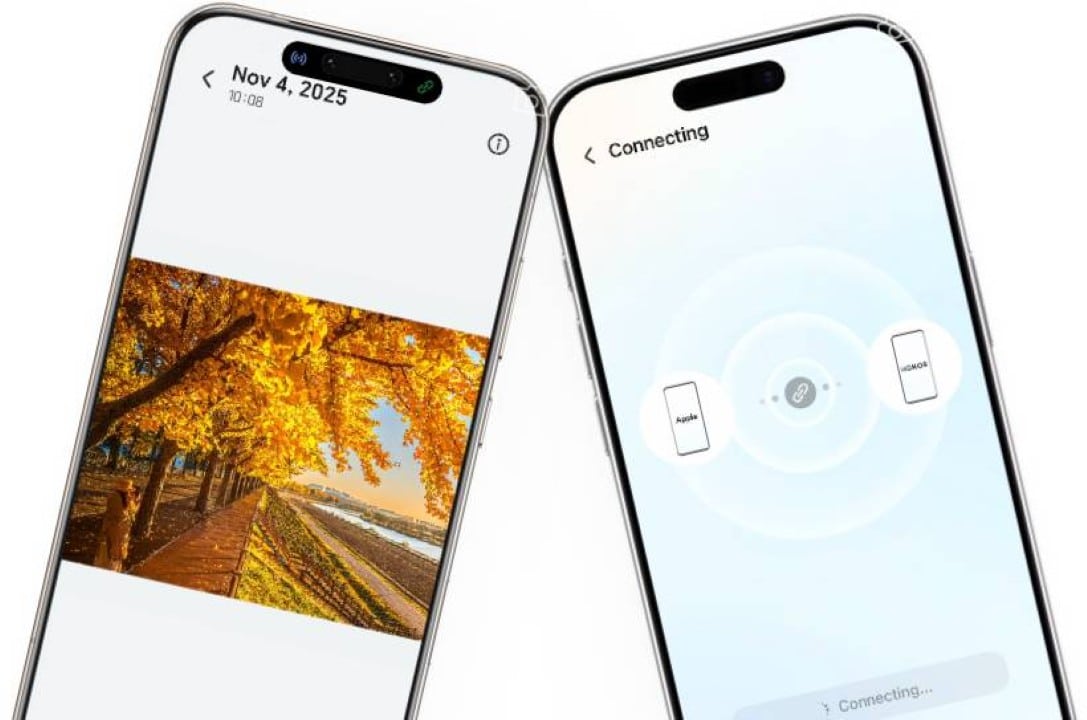
The search for greater use of the display motivates this transition in the research and development department. Engenheiros of the company carry out rigorous evaluations with prototypes that present alternative solutions for the positioning of the selfie camera and the three-dimensional facial recognition system. The central objective is to deliver a continuous viewing surface, without compromising the security and quality of image captures.
Evolution of the visual format in the premium line
The adoption of the elongated notch occurred gradually in the Asian manufacturer’s portfolio. The element initially appeared in previous generations, positioned asymmetrically in the upper left corner of the light panel, a choice that divided opinions among technology enthusiasts.
With the advancement of generations, specifically from the model Magic 6 Pro, the design team chose to centralize the component. Essa relocation sought to create a more pleasing symmetry for users, in addition to optimizing the internal space of the motherboard for the allocation of processing circuits and depth sensors. Subsequent versions maintained this exact geometric arrangement, consolidating the visual identity of the product family.
The persistence of this format over the years met a specific technical need for security and image quality. The wider space on the screen allowed the simultaneous installation of high-resolution lenses and infrared light emitters, ensuring accurate biometric unlocking even in total darkness. The configurations historically adopted by the brand include the following engineering approaches:
– Side Posicionamento in the first high-cost versions to free up the center of the notification bar
– Transição for the center of the display aiming for aesthetic symmetry and better alignment of the user’s gaze
– Dual hardware Acomodação for advanced biometrics and three-dimensional facial mapping
Motivations for aesthetic change
The consumer market’s demand for increasingly cleaner panels drives the review of the structural design. Usuários who consume videos in very high definition and run electronic games with complex graphics prefer screens without visual interruptions that cut out crucial elements of the operating system interface.
The removal of the wide notch allows the manufacturer to explore new design approaches, distancing itself from the look adopted by direct competitors in the Asian and European markets. The engineering team works diligently to ensure that the absence of the cutout does not impair facial reading speed or depth mapping accuracy.
Technological alternatives in the testing phase
The development laboratories evaluate the implementation of multiple and independent holes in the front glass. Essa technique physically separates the main photographic lens from the 3D mapping sensors, drastically reducing the total darkened area at the top of the display and allowing active pixels to fill the space between the components.
Another strand of research focuses efforts on hidden camera technology beneath the pixels of the OLED screen. Essa complex engineering solution makes the photographic component invisible when not in use, offering a completely uninterrupted viewing surface, requiring powerful algorithms to correct the refraction of light passing through the glass.



The application of completely flat panels is also part of the company’s internal experimentation rounds. Protótipos with different inches and aspect ratios circulate through the restricted assembly lines, indicating that the standard variants and the more advanced versions can present notable physical distinctions in their construction.
The durability of tempered glass and resistance against accidental falls receive special attention during the design of these new formats. The structural modification of the front face requires reinforcements on the edges of the metal chassis to protect the internal components against twists and direct impacts.
Modifications to the rear photographic assembly
The camera module located on the back of the smartphone will also undergo significant geometric revisions. Recent generations have consolidated the use of large circular or square blocks to house multiple lenses, laser focus sensors and LED flashes. The new design guidelines suggest a rearrangement in the position of these sensors, aiming to optimize light capture and optical image stabilization during motion recording and night photography.
The rear restructuring complements the renewed visual identity of the front face, creating an aesthetically cohesive and modern device. The manufacturer maintains its focus on integrating main sensors with a high megapixel count, combined with periscopic telephoto lenses for optical approximation without loss of quality. The external finish must use highly durable materials, such as textured anti-fingerprint frosted glass and aerospace grade metal alloys.
Positioning of the manufacturer in the global market
The visual redesign strategy comes at a time of strong international expansion for the brand, which seeks to consolidate its share in the super premium device segment on several continents. Direct competition with the most expensive lines of other technology giants requires constant hardware innovations that justify the added value of the products on the shelves. By investing in bold aesthetic changes and eliminating visual elements considered dated, the company signals to investors and the market its ability to dictate engineering trends instead of just following standards established by the semiconductor industry. The development of its own cooling architectures and the in-depth optimization of the operating system reinforce the company’s technological independence, attracting demanding consumers looking for extremely high-performance alternatives, long-lasting batteries and screens with adaptive refresh rates.
Predictions for the official announcement
The manufacturer’s usual schedule points to the unveiling of new devices at the end of the year or at the beginning of the next commercial cycle. Eventos global technology companies usually serve as the main stage for the detailed presentation of technical specifications, software demonstrations and publication of suggested prices for international retail.
Repercussion among technology enthusiasts
The circulation of hollow diagrams and industrial molds generates intense debates in forums specializing in mobile devices and microblogging networks. A portion of users show attachment to the pill format, considering it a unique personality trait of the line that makes it easier to recognize the device from a distance.
In contrast, advocates of digital minimalism celebrate the likely adoption of screens with ultra-thin borders and minimal interruptions to the viewing area. Technical comparison with recent launches from rival brands dominates discussions about the future of mobile design and the evolution of the screen-to-body ratio.
The leak of preliminary information works as an unofficial thermometer for the manufacturer to measure public acceptance before mass production begins in factories. Ajustes fines in finish, color options, and glass curvature may still occur based on this initial reception from the technology community.
Integration of artificial intelligence into hardware
The internal architecture of the new device includes the inclusion of neural processors dedicated exclusively to processing images captured by the new frontal configuration. Essa local data processing capacity compensates for any physical limitations imposed by the drastic reduction in space allocated to selfie lenses and infrared emitters.
Advanced machine learning algorithms will correct optical distortions and dynamically enhance lighting in real time, ensuring professional-level photographic results. The perfect symbiosis between the new physical screen format and intelligent software sets the quality standard required for the next generation of high-end mobile telephony.
Veja Tambem em News (EN)

Research reveals that parents are unaware of how their children use artificial intelligence

Samsung releases new system update with new features for Galaxy Watch 4 users

Digital retail reduces the value of the Galaxy S25 5G smartphone with bank bonuses and device exchange

Amazon’s wireless CarPlay adapter has a 50% discount and high approval ratings from drivers

Zach Cregger’s new Resident Evil ignores games and focuses on an unprecedented story with new characters

Rumor suggests that Nintendo is preparing a special edition of the Switch 2 with a remake of Ocarina of Time

Apple accelerates production of the iPhone 17e and develops new Air model with dual camera system

Epic Games platform releases twelve high-budget games at no permanent cost for PC users

PlayStation 5 Pro price drop accelerates digital retail sales and eliminates global stocks

New Galaxy Watch 9 firmware appears on server and confirms progress in software development

Apple’s commemorative project tests cell phone with 1.1 millimeter edge and curved screen for 2027
