New iOS 26 system update integrates smart history with Apple Maps with a focus on privacy

Apple has made a new intelligent tracking tool available to smartphone users, changing the dynamics of using its native navigation application. The functionality automatically identifies and stores addresses frequented by the device owner, creating a personal database of usual routes and destinations. Essa technological implementation seeks to simplify the daily routine, eliminating repetitive steps during the search for already known locations.
The feature reaches compatible devices in an integrated manner with the latest version of the manufacturer’s mobile operating system. The main purpose of the update is to optimize the time spent searching for daily routes, offering more accurate results based on the previous behavior of the driver or pedestrian. The map interface has been subtly adapted to accommodate this new layer of information without visually cluttering the navigation screen.
With the activation of the service, the software starts to record the time spent in commercial establishments, squares, offices and residences. Essa data collection aims to create a highly personalized travel profile for each individual, transforming the device into a proactive mobility assistant. The technology uses the equipment’s sensors to ensure that only real stops are recorded in the history.
How the new geolocation tool works
The system’s operating mechanics require the user’s prior and explicit consent to begin continuous monitoring of their routes. When enabling the function in the device’s settings, the map begins to display discreet visual stamps next to the names of places that already appear in the personal visit history. Essa graphic signage eliminates the need to check the complete address of a specific store when there are several branches of the same chain spread across a single neighborhood or metropolitan region.
The processing of geographic coordinates occurs silently in the background, using sensors built into the phone’s hardware so as not to compromise the performance of other tasks. The device’s artificial intelligence crosses information from nearby wireless networks, data from telephone operators and satellite positioning to determine exactly where the individual stopped. Todo this mathematical calculation is carried out in fractions of a second, ensuring that the map is updated in real time as you move around the city.
This technical precision allows the software to differentiate quick stops in traffic from actual visits to commercial or residential points of interest. The algorithm automatically discards stops at traffic lights, road congestion or toll booths, focusing only on final destinations where the device has been present for a long time. Esse intelligent filter prevents the navigation log from being overloaded with useless coordinates for future consultations.
- Automatic identification of points of interest and commercial establishments.
- Immediate visual signage for addresses previously visited by the user.
- Intelligent disposal of quick stops in urban and highway traffic.
- Data processing carried out directly on the hardware to save battery.
Travel information security
The protection of movement records represents a central aspect in the development of this spatial mapping technology. The manufacturer has implemented a strict end-to-end encryption protocol to protect the history of saved addresses against intrusions or leaks. Esse technical care meets the requirements of international regulatory bodies that monitor the use of sensitive information by large technology corporations.
This level of cryptographic security prevents third parties, internet providers or even the software developer itself from accessing customers’ browsing routines. Data remains strictly restricted to physical equipment linked to the owner’s personal account, ensuring that location tracking is not used to create targeted advertising profiles.
Autonomous management of stored records
Control over the geographic information collected remains entirely in the hands of those who use their smartphones on a daily basis. The operating system offers clear and accessible options for immediately deleting any point recorded in error or that the individual simply does not wish to keep saved on their device. The management interface was designed to be intuitive, requiring advanced technical knowledge.
A simple swipe command on the screen erases the address from the local database permanently and irretrievably. Essa deletion action is instantly reflected on all other brand devices that are connected to the same cloud credential, maintaining privacy synchronization across the user’s ecosystem. Clearing the history does not affect the basic functioning of app routes.
Complete deactivation of visit monitoring can also be carried out at any time through the system’s main privacy menu. The interruption of service immediately stops the reading of new route patterns, erasing temporary traces that had not yet been consolidated in the logbook. The user has the freedom to turn the tool on and off according to their need for anonymity.
Transparency in the management of this data reinforces the company’s stance in relation to the processing of personal information in the digital era. The strict policy of not selling location history establishes a competitive advantage in the map application market, attracting consumers who seek technological convenience without giving up the confidentiality of their daily steps.



Optimization of routine in large urban centers
The fast-paced dynamics of metropolises require mobility tools that respond quickly to search commands during heavy traffic or walking on busy roads. By highlighting the usual destinations in the first search results, the application significantly reduces the cognitive load on the driver, who needs to take his attention off the road for much less time. The clean interface prioritizes the display of the correct route without cluttering the screen with irrelevant information about neighboring establishments that have never been visited, ensuring safer and more focused driving.
In addition to facilitating vehicle driving, the functionality directly assists pedestrians navigating complex shopping centers, underground galleries or streets with confusing numbers. Visitation pattern recognition turns the map into a proactive assistant, capable of suggesting the exact route back to a specific coffee shop visited weeks before, without the person needing to remember the exact name of the business or the intersection where it is located. Essa digital memory compensates for the natural shortcomings of human memory in densely populated urban environments.
Integration with daily communication applications
Sharing exact coordinates with address book contacts has become a substantially more streamlined process with the consolidation of this automatic list of known places. Instead of opening the map, typing in the name of a restaurant, manually checking that it is the correct branch and generating a shipping link, the user directly accesses their pre-approved digital logbook. Native integration with the operating system’s messaging service allows you to attach the precise location of a meeting point in just a few taps on the screen. Essa technological facility encourages the exchange of leisure and gastronomy recommendations between friends and family, based on real visiting experiences duly documented by the software. The feature eliminates common address entry errors when planning social events, ensuring that all guests receive the exact route to the correct establishment’s door, optimizing the logistics of group gatherings.
Expanding wearable device ecosystem
The visualization of frequent addresses extends fluidly to the brand’s smart watches, ensuring continuity of navigation without the need to take your phone out of your pocket. The wrist display displays the same markings of visited locations present on the smartphone, allowing quick and discreet consultations while walking on public roads or exercising outdoors.
Technical precision indoors
Position tracking has always faced significant technical challenges inside multi-story, thick-walled buildings. Para To overcome this physical barrier, the software uses the cell phone’s accelerometer, barometer and gyroscope in conjunction with detailed mapping of local wireless internet networks.
This advanced combination of sensors ensures that the system correctly identifies which specific store in a shopping center the customer entered and stayed in. The margin of error in detecting the elevation level and exact corridor has been drastically reduced in this update, providing three-dimensional mapping that is more faithful to reality.
The ability to operate efficiently in areas with unstable satellite signal demonstrates the advancement of software engineering applied to civil geolocation. The device compensates for the lack of direct connection with space by using known terrestrial references, keeping the accuracy of the visit history intact even in underground garages.
Evolution of directional assistance platforms
The introduction of this spatial memory tool marks an important transition in the global routing and mobility applications market. Navigation software gradually ceases to be mere static street catalogs and acts as dynamic diaries of individual geographic behavior.
The technology sector’s expectations point to the future incorporation of even more advanced predictive algorithms in the next generations of operating systems. Cross-referencing the visit history with the appointment schedule and traffic conditions in real time represents the next step in the development of virtual assistants for urban mobility.
Veja Tambem em News (EN)

Research reveals that parents are unaware of how their children use artificial intelligence

Samsung releases new system update with new features for Galaxy Watch 4 users

Digital retail reduces the value of the Galaxy S25 5G smartphone with bank bonuses and device exchange
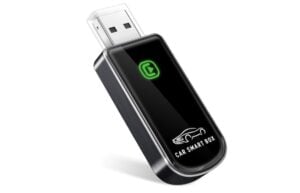
Amazon’s wireless CarPlay adapter has a 50% discount and high approval ratings from drivers

Zach Cregger’s new Resident Evil ignores games and focuses on an unprecedented story with new characters

Rumor suggests that Nintendo is preparing a special edition of the Switch 2 with a remake of Ocarina of Time
Apple accelerates production of the iPhone 17e and develops new Air model with dual camera system

Epic Games platform releases twelve high-budget games at no permanent cost for PC users

PlayStation 5 Pro price drop accelerates digital retail sales and eliminates global stocks

New Galaxy Watch 9 firmware appears on server and confirms progress in software development

Apple’s commemorative project tests cell phone with 1.1 millimeter edge and curved screen for 2027