
Pakistan announces biggest rise in gasoline and diesel prices in years due to oil crisis

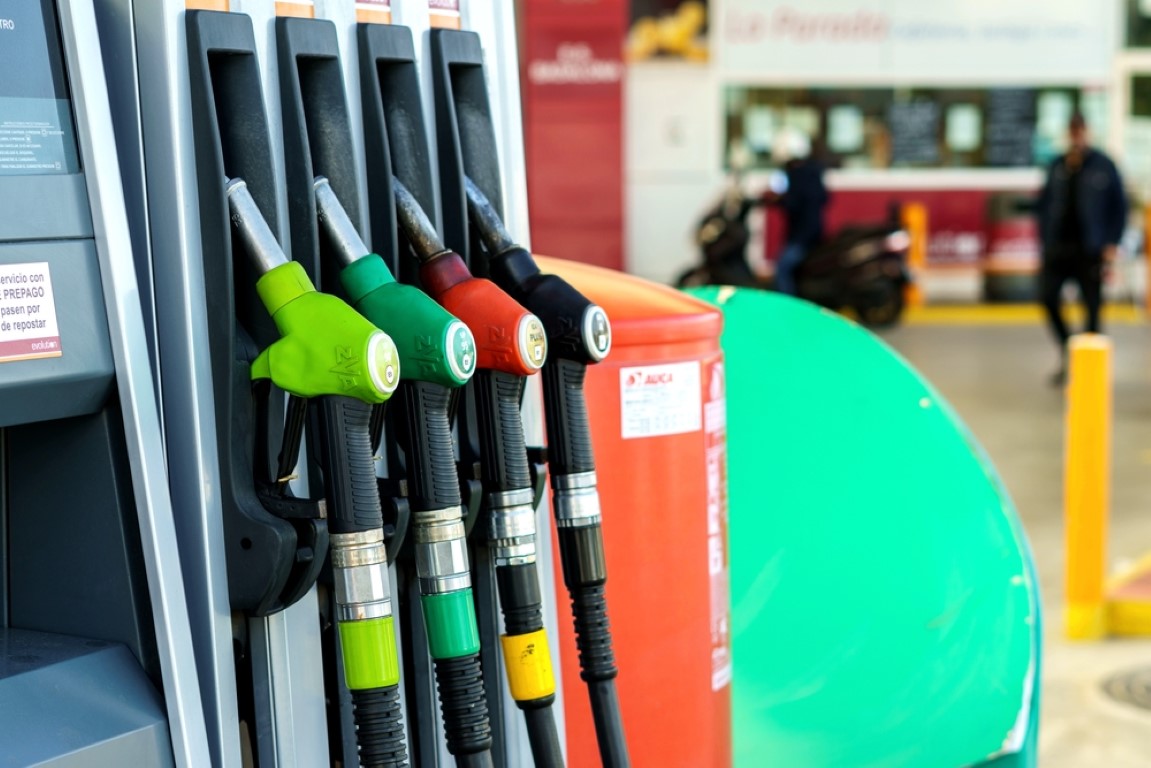
The Paquistão government announced a significant increase in the prices of gasoline and diesel, increasing both by 55 Pakistani rupees per liter. The measure came into force on March 7, 2026, following upward pressure on international oil prices due to tensions in the Oriente Médio, including the conflict involving the Irã. The price of petrol increased to 321.17 rupees per liter, while that of diesel reached 335.86 rupees per liter. Autoridades justified the decision as necessary to keep up with the global rise in oil costs, which have risen rapidly in recent days.
The increase represents one of the biggest adjustments ever recorded in the country, with an increase of approximately 17% in gasoline and 20% in diesel compared to previous values. The announcement took place at a press conference with the participation of the minister of Petróleo, Ali Pervaiz Malik, the deputy prime minister Muhammad Ishaq Dar and the minister of Finanças Muhammad Aurangzeb. Eles highlighted that the weekly price review will be maintained for future adjustments according to the international market.
Increase reflects crisis in global supply
The conflict in Oriente Médio caused interruptions in the oil supply chain, raising barrel prices to levels above US$100 in some recent moments. Desde the beginning of March 2026, the price of crude oil jumped from around US$78 to more than US$106 per barrel for gasoline and from US$88 to US$150 for diesel, according to official data released.
Paquistão’s dependence on energy imports worsened the domestic impact. The country imports most of its oil, which makes domestic prices sensitive to external fluctuations. The government chose to pass on part of these costs to consumers to avoid excessive subsidies that would put pressure on public finances.
Additional containment measures and adjustments
The government implemented austerity measures to reduce fuel consumption. Escolas were closed for two weeks and public servants began to work more remotely, with the aim of cutting travel and energy expenses. Serviços public have partially migrated to online platforms to minimize the use of official vehicles.
The price of kerosene also underwent significant adjustments, reaching cumulative increases of up to 90% in a few weeks. Essa elevation especially affects the poorest layers, who use the product for lighting and cooking. Diesel, essential for freight transport and agriculture, recorded the highest percentage increase.

Immediate economic impacts
The adjustment in fuel increased transportation costs across the country. Tarifas of trains and buses rose between 5% and 10%, while road freight registered similar increases. Isso puts pressure on the prices of food and essential goods, especially during Ramadã, when demand for travel and products increases.
Day laborers and app drivers face a reduction in real income due to higher fuel prices. Fuel consumption fell in some regions, with reports of lower private vehicle circulation. The central bank kept the interest rate at 10.5% to monitor additional inflationary risks caused by the energy boom.
Regional reactions and perspectives
Neighboring countries are monitoring the situation closely. Na China, regulated fuel prices recorded the biggest increase in years, reflecting concerns about supplies via Estreito of Ormuz. Na Índia, prices remain stable for now, but analysts point to greater vulnerability due to dependence on imports.
The Paquistão banned exports of petroleum products to preserve domestic stocks. Current Reservas only cover a few weeks of demand, which has led to discussions about rationing or alternative imports. Autoridades ensures constant monitoring of the global market for possible price revisions.
The government emphasizes that the adjustments aim for fiscal balance without compromising energy stability. Medidas energy efficiency and source diversification are considered to mitigate future impacts.
The rise in fuel prices in the Paquistão highlights the interconnection between regional geopolitics and the domestic economy. The country faces challenges in balancing external pressures with protecting the population’s purchasing power.



