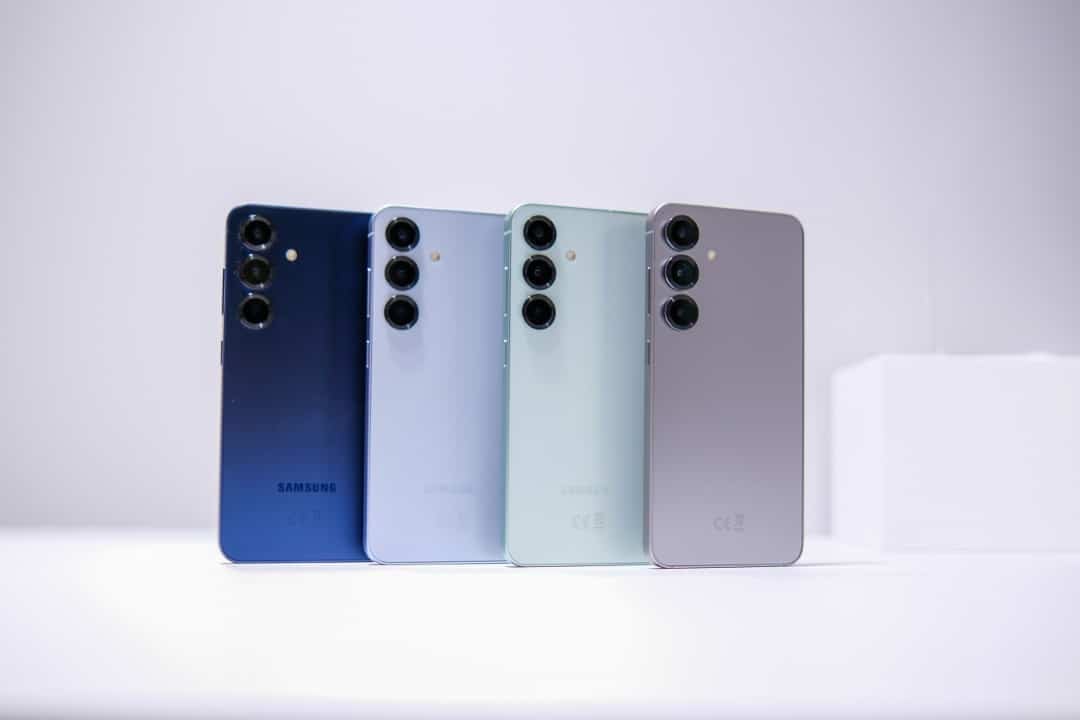
The global mobile device industry is registering a relevant technical change with the introduction of cutting-edge features into intermediate-cost devices. Documentos recently leaked commercials and packaging in the technology sector attest that South Korean manufacturer Samsung has decided to incorporate its generative artificial intelligence package into a new line of smartphones. The primary focus of this software update lies on an automated system capable of converting speech to text in real time. Essa modification to the operating system aims to directly serve independent professionals, students and corporate workers who demand accurate records of meetings and lectures in their daily routines, raising the standard of productivity in the category.
Democratization of advanced features in mobile telephony
Historically, complex computational capabilities for natural language processing were restricted to elite S and Z series devices. The decision to modify this commercial dynamic demonstrates an advance in the optimization of the brand’s algorithms, allowing the execution of heavy tasks on processors with more modest technical specifications without compromising the fluidity of the system.
Consumers looking for options focused on cost-benefit now find productivity tools that previously required high financial investments. The appearance of the artificial intelligence seal on the new device’s retail boxes validates the strategy of popularizing these technologies in the global consumer electronics market.
How the vocal conversion system works
The core discovery functionality operates through advanced vocal pattern recognition during audio capture. The software can act both on recordings made at the exact moment of speech and on importing media files previously stored in the cell phone’s memory, offering versatility for different usage scenarios.
The native voice recording application not only transcribes words continuously, but also has the technical ability to identify multiple interlocutors in the same physical environment. The system separates the speeches into distinct blocks of text and assigns specific visual markers to each participant recognized by the device’s microphone.
This structured linguistic processing capability eliminates the need for simultaneous manual typing during important events. The tool delivers an organized document instantly, highlighting points such as the clear identification of who is speaking, the separation of paragraphs by changing the subject and the automatic insertion of punctuation based on the intonation of the voice.
Hardware specifications and photographic suite
The engineering design of the new smartphone preserves the visual identity characteristic of previous generations, focusing innovations on the performance of internal components. Certificações issued by international regulatory bodies detail the presence of a 6.6-inch front panel with advanced technology and Full HD+ resolution.
The display’s refresh rate has been calibrated to ensure fluid navigation through operating system interfaces and quick transitions between background applications. The rear camera module continues the industry trend of offering multiple lenses for different lighting conditions and photographic framing.
The specification listings point to the integration of a main photographic sensor with 50 megapixels of resolution. Este component works together with an 8 megapixel ultrawide lens, intended for capturing wide angles, and a 5 megapixel macro camera for detailed recordings at close range.
The onboard artificial intelligence also actively acts in the post-processing of images captured by the user. The algorithms automatically correct color balance, reduce digital noise and increase the overall sharpness of photographs taken in environments with low incidence of natural light.
Dynamics between local processing and remote servers
The execution of artificial intelligence tasks on the device occurs through a technical split between local processing and cloud processing. Funções simpler and more direct solutions are solved by the device’s own chip, which guarantees an immediate response speed and ensures total privacy of the user’s data, without the need for an internet connection. Essa hybrid approach optimizes battery consumption and reduces latency when using basic voice commands and quick text edits in everyday life.
On the other hand, transcriptions of long audios or highly complex simultaneous translations use the manufacturer’s remote servers to deliver results with greater grammatical accuracy. The system requires the device owner to maintain an active registration on the brand’s official platform to grant access to this external infrastructure. The company applies strict security protocols to ensure that audio files sent to the cloud are discarded immediately after the formatted text is returned to the smartphone.
Automated summary generation and multiple language support
In addition to verbatim transcription of conversations, the software package offers the ability to generate concise summaries from extensive recordings. A user can record a one-hour corporate meeting and ask the virtual assistant to extract only the main decisions and the most relevant topics, delivering a short, objective text in a few seconds. Support for multiple languages expands the tool’s usefulness in international business scenarios and foreign travel, allowing language barriers to be broken down in real time. The accuracy of the generated material directly depends on the quality of the sound capture, and it is essential to position the device close to the audio sources to avoid ambiguities in the interpretation of the algorithms. Atualizações periodic software programs are planned to expand the catalog of natively supported languages, adapting the device to the needs of different global regions over the months following its official launch in retail stores.
Direct integration with native applications
The usefulness of voice conversion gains strength through native communication with other software in the manufacturer’s ecosystem. The text generated by the recording assistant can be exported with a single touch to the notes application, where it receives advanced formatting, insertion of images and conversion to PDF format, speeding up the sharing of minutes and professional reports efficiently.
Energy capacity and market positioning
Continuous audio processing and running natural language algorithms require a higher power supply than conventional phone usage. Para To support this technical demand, the hardware maintains a battery with a capacity of 5,000 mAh, combined with a 45 W accelerated recharging system that quickly recovers autonomy away from sockets.
Offering real productivity tools in the mid-range creates a robust selling point for the South Korean brand. X__NM0____
