
Silver plummets more than 5% on MCX with rising oil prices and tensions in the Middle East

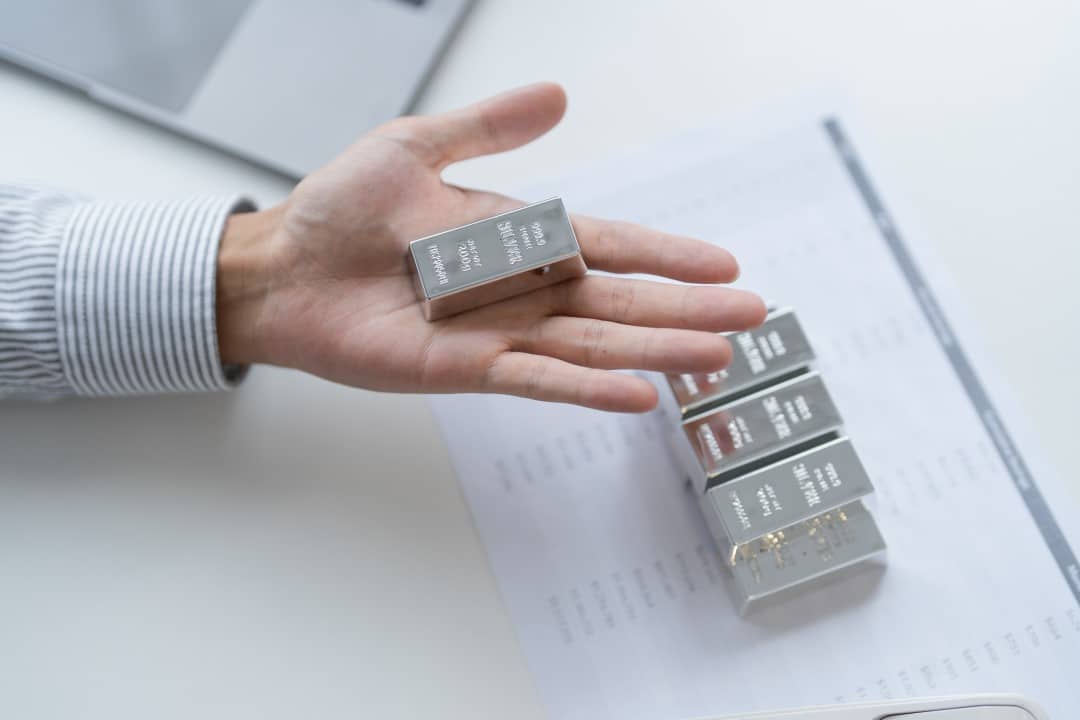
Silver registered a drop of more than 5% on the Multi Commodity Exchange (MCX) this Thursday, March 19, 2026. The precious metal plummeted by around 12 thousand rupees per kg, closing close to 2.35 lakh rupees per kg. The devaluation occurred in parallel with the rise in crude oil, which reached US$114 per barrel, pressured by geopolitical tensions in the Oriente Médio.
The Indian stock market followed the negative movement. The BSE index Sensex closed down 2,496 points, starting from 76,704 and ending at 74,207. NSE’s Nifty fell 775 points from 23,777 to 23,002. Investidores reacted to the global uncertainties generated by the conflict in the region.
Gold also recorded losses. The yellow metal fell by around 2.5%, falling by approximately 4,500 rupees per 10 grams, closing below 1.50 lakh rupees. The combination of a strengthening dollar and high inflation expectations contributed to pressure on precious metals.
Immediate impact on precious metals
Silver suffered the largest percentage impact among traded metals. Preços international prices fell to levels close to US$76 per ounce at some points during the day. Silver, with a strong industrial component, reacted more intensely to the rise in energy costs and the reduction in expected demand.
Gold showed lower volatility in comparison. Apesar of the losses, it remained a partial refuge asset amid the tensions. Analistas note that the strengthening US dollar has limited potential gains in metals.
Investors quickly adjusted positions. The sell-off in industrial commodities accelerated silver’s downward movement.
Repercussions on the Indian stock market
The drop in the Indian stock market reflected concerns about high energy costs. Setores sensitive to fuels, such as aviation and automotive, recorded significant losses. Ações of companies like IndiGo and M&M fell over 4%.
Banks and finance companies also felt the impact. HDFC Bank and Bajaj Finance showed significant declines, above 4% and 5%, respectively. The consumer discretionary sector faced additional pressure.
Asian markets followed a similar trend. Bolsas in Japão and Coreia in Sul closed lower, influenced by the rise in oil prices.
Global factors that boosted oil
Crude oil Brent and WTI rose on supply chain disruptions at Oriente Médio. Conflict in the region has led to fears of prolonged closure of the Estreito of Ormuz, a critical route for global exports. Preços reached high levels, surpassing US$ 114 per barrel in recent negotiations.
The energy boom fuels expectations of persistent inflation. Central Bancos, including Federal Reserve, maintained cautious stances regarding interest rate cuts. Isso strengthened the dollar and put pressure on non-interest-bearing assets like precious metals.
Global markets adjusted portfolios for higher energy cost scenarios. The combination of geopolitical and monetary factors intensified volatility.
Differences between silver and gold in the current context
Silver, due to its dual role as a precious and industrial metal, suffered most from rising production and energy costs. Demanda in sectors such as electronics and solar panels may be affected by high input prices. Gold, more linked to its functions as a store of value, resisted selling pressure better.
Volatility remained high in both metals. Movimentos intradays showed significant swings before the close. Investidores monitor developments in Oriente Médio for future adjustments.
Investor reactions and short-term outlook
Traders liquidated commodity positions to cover margins amid uncertainty. Silver extended its losing streak, marking consecutive bearish sessions. Mercados wait for signs of stabilization in the energy supply.
The rise in oil continues to be the main driver. Qualquer sign of relief in the conflict could moderate inflationary pressures and support recovery in metals. For now, caution prevails in negotiations.



