
Snapdragon Wear Elite chip for Galaxy Watch Ultra 2: Geekbench performance reveals Samsung strategy

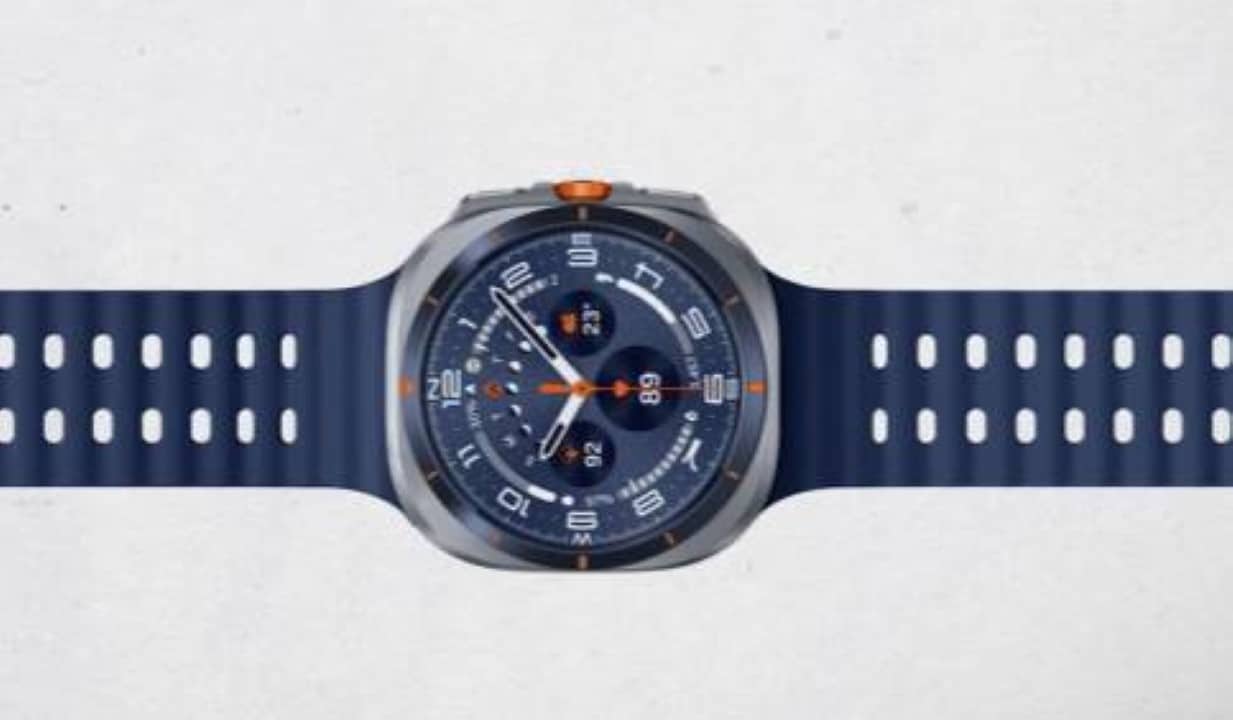
During MWC 2026, Samsung and Qualcomm confirmed a significant partnership, announcing that the next generation Galaxy Watch would incorporate the Snapdragon Wear Elite, a chipset designed specifically for wearables. Essa news marked a turning point for the Samsung lineup of premium smartwatches.
Although there is still no official confirmation as to which exact model will receive the new chip, everything indicates that the Galaxy Watch Ultra 2, also known as Watch Ultra 2026, will be the one graced with this technology. Este movement suggests a strategic turn by the company in the segment of high-performance wrist devices.
Anticipation surrounding the new component has increased considerably, with recent Geekbench leaks revealing the Snapdragon Wear Elite’s impressive capabilities. The results indicate robust performance, promising a superior user experience for future users.
Snapdragon Wear Elite on Geekbench: first results
The Snapdragon Wear Elite, the highly anticipated chipset of the Qualcomm, made its first public appearance at the Geekbench, revealing a remarkable performance that redefines expectations for wearables. Benchmark tests showed that the chip reached 549 points in single-core and 931 points in multi-core, numbers that position the component as one of the most powerful in its category.
This performance is crucial to the evolution of smartwatches, enabling smoother app execution, efficient multitasking, and rapid processing of health and fitness data. The chip’s architecture, which combines a high-performance CPU core with four low-power cores, is fundamental to this performance, guaranteeing power when needed and optimizing the battery for lighter tasks.
Manufacturing in a 3 nm process, as confirmed by Qualcomm itself, is one of the biggest differentiators of the Snapdragon Wear Elite. Essa cutting-edge technology not only contributes to increased energy efficiency, extending the battery life of devices, but also enables a more compact chip design, paving the way for thinner and lighter smartwatches.
3nm optimization represents a significant advance over previous generations, offering an ideal balance between processing power and energy consumption. Isso is vital for wearable devices, where battery life is a deciding factor for user experience and mass adoption.
Samsung’s strategic shift in chipsets
Samsung’s decision to integrate the Snapdragon Wear Elite into its upcoming Galaxy Watch Ultra 2 signals an important shift in its wearables hardware strategy. Historicamente, the company has used its own Exynos chips in a large part of its line of smartwatches, seeking to verticalize its production.
This new partnership with Qualcomm reflects a drive for maximum performance and efficiency, especially for a premium product like the Galaxy Watch Ultra 2. The choice of a cutting-edge external chip for the most advanced model may indicate that the Samsung prioritizes the raw performance and innovative technological features that the Qualcomm can offer, even if it means relying on an external supplier for such a crucial component.
This strategy is not unprecedented for Samsung, which already adopts a similar approach in its Galaxy S line of smartphones, using both Exynos and Snapdragon chips in different regions or specific models. Supplier diversification can bring benefits such as mitigating risks in the supply chain and the possibility of offering the best chip available for each market segment.
The maintenance of the Exynos chips for the Galaxy Watch 9 line, also unprecedented, suggests a clear segmentation in the Samsung smartwatch portfolio. Enquanto the “normal” models of the Watch 9 series will continue with the brand’s internal solutions, the Ultra model, focused on performance and advanced features, will benefit from the expertise of the Qualcomm. Isso creates a notable distinction for consumers by offering options for different priorities and budgets.
Advanced Connectivity: A Leap to Galaxy Watch Ultra 2
The Galaxy Watch Ultra 2, powered by the Snapdragon Wear Elite, is positioned to deliver a historic leap forward in connectivity, taking smartwatch capabilities to a new level. The chipset promises support for a comprehensive range of technologies that will enable a more independent and integrated user experience.
Among the expected connectivity features, the following stand out:
The integration of 5G RedCap is particularly relevant for smartwatches, as it ensures that the device can maintain a robust and speedy connection without the constant need for a smartphone. Isso reinforces the watch’s autonomy, making it a communication and data hub in its own right. The ability to communicate via satellite through NB-IoT also represents a differentiator in emergency scenarios or in regions with limited network coverage.
Impact on the wearables market and competition
The arrival of the Galaxy Watch Ultra 2 with the Snapdragon Wear Elite has the potential to shake up the wearables market, intensifying competition and driving innovation. With superior performance and advanced connectivity, the new Samsung watch positions itself as a strong challenger to products from other major companies, such as the Apple Watch and the Google Pixel Watch.
Samsung, by investing in a high-performance chip and a wide range of connectivity features, seeks to consolidate its position in the premium smartwatch segment. Essa strategy can attract consumers looking for maximum technology, performance and autonomy in their wearable devices.
Competition will intensify particularly when it comes to user experience, battery life and the ability of devices to function independently. Qualcomm’s innovations, combined with Samsung’s design and ecosystem, can create a highly attractive product.
3nm technology and energy efficiency
The adoption of 3 nanometer manufacturing technology for the Snapdragon Wear Elite is one of the pillars that will guarantee the excellence of the Galaxy Watch Ultra 2. Esse cutting-edge process is crucial to optimizing the relationship between performance and energy consumption, a constant challenge for wearable devices.
With smaller and denser transistors, the 3 nm chip can perform more operations per cycle, resulting in greater processing speed. At the same time, the more efficient architecture requires less energy to operate, which translates into a longer battery life for the smartwatch. Isso is vital for users who depend on their watches for 24-hour health monitoring, prolonged exercise or simply to not worry about constantly charging the device.
Improved energy efficiency also paves the way for the integration of more sensors and functionalities without compromising autonomy. Sensores Advanced healthcare features such as continuous glucose or blood pressure monitoring, which require intensive processing, can be more feasibly implemented with a chip that manages power consumption optimally. This technology is expected to allow the Galaxy Watch Ultra 2 to offer a robust feature set without sacrificing the convenience of a long battery life.
Expectations for launch and innovative features
Expectations surrounding the launch of the Galaxy Watch Ultra 2 are high, with rumors pointing to a joint presentation with the new Samsung foldable cell phones next July. Essa launch strategy at a high-profile event underlines the importance the company attaches to its new premium smartwatch.
In addition to performance and connectivity, the device is expected to bring a series of innovative features that will differentiate it in the market. The combination of advanced hardware and optimized software from Samsung, likely the Wear OS with the One UI Watch, promises a fluid and feature-rich user experience. Isso may include new health metrics, improved exercise modes, and greater integration with the Galaxy ecosystem.
Differentiation between lines Galaxy Watch 9 and Ultra 2
Samsung appears to be consolidating a clear differentiation strategy between its smartwatch lines with the launch of the Galaxy Watch Ultra 2 and the Galaxy Watch 9 series. market positions.
Essa dual-supplier approach allows Samsung to serve diverse consumer segments. The Galaxy Watch 9 line, with Exynos chips, will likely focus on a balance between performance, essential features and a more affordable cost, targeting a wider audience. Já o Galaxy Watch Ultra 2, with the Snapdragon chip, will be the flagship, aimed at users who demand maximum performance, cutting-edge technology and advanced features, without worrying about price. This segmentation is vital for Samsung to maintain its competitiveness and expand its presence across the full spectrum of the wearables market.



