
Spring equinox 2026 marks the official start of the season with a balance between day and night

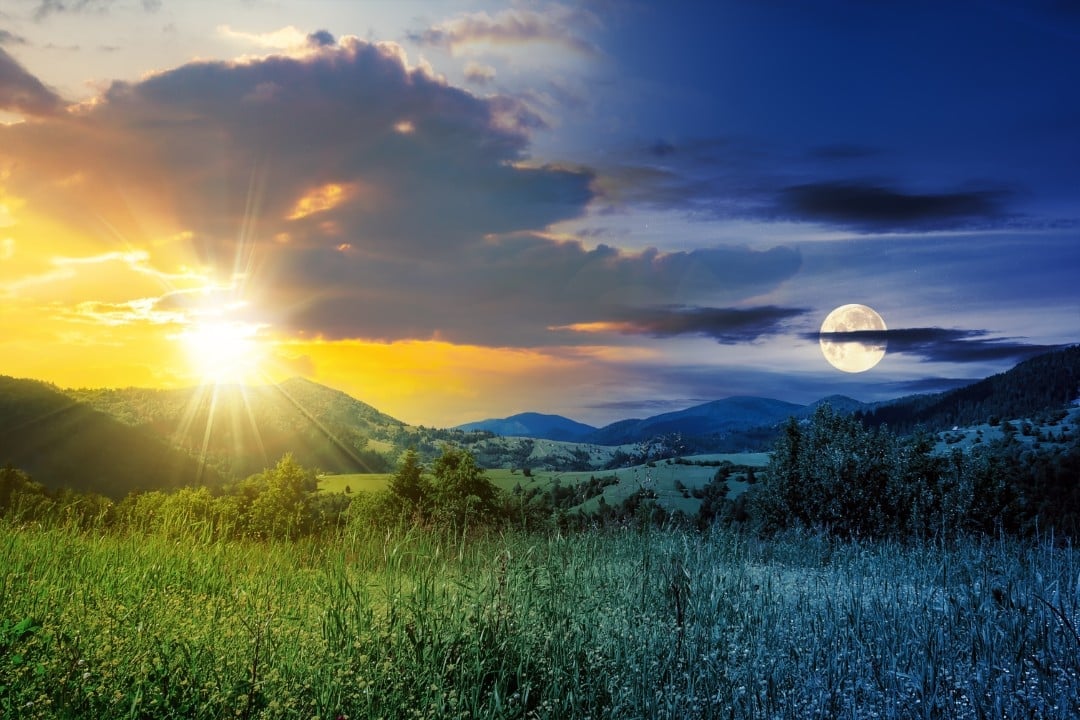
The spring equinox of 2026 marks the official start of the astronomical season in the northern hemisphere, bringing significant changes in solar behavior and day lengths. The Este phenomenon occurs when the Sol crosses the celestial equator, resulting in an almost identical lighting period between day and night across the planet. In the year 2026, the event is scheduled to take place on March 20th, at 10:46 am Eastern Time, consolidating the definitive transition from winter to spring. The position of Terra in relation to Sol during this moment is neutral, where the Earth’s axis is neither inclined towards the star nor away from it.
The seasonal transition is accompanied by a series of climatic and biological transformations that affect diverse sectors, from agriculture to tourism in temperate regions. The gradual increase in temperature and greater sun exposure influence the life cycle of plants and the migratory behavior of several animal species. Especialistas reinforce that, although the equinox is a specific point in time, its effects are felt throughout the entire subsequent quarter. Este balance of light and darkness will only occur again at the autumnal equinox, which ends the summer cycle months later.
Understand the astronomical functioning of the equinox
The equinox phenomenon occurs only twice a year and represents the exact point at which Terra reaches halfway between the winter and summer solstices. Durante this brief instant, the sun’s rays fall vertically on the equator, which guarantees a very similar distribution of sunlight for both hemispheres. Essa spatial geometric configuration is what defines the beginning of astronomical seasons, differentiating itself from meteorological conventions that use fixed calendars.
Science explains that the inclination of the Terra axis is the determining factor for the existence of seasons, and the equinox is the moment of adjustment of this inclination in relation to the solar orbit. Sem this angle of approximately 23.5 degrees, the planet would not experience the seasonal variations we know today.
- Sol rises exactly at the east point and sets at the west point during the day of the equinox.
- The length of day and night is approximately 12 hours for each period across most of the globe.
- The term derives from the Latin aequinoctium, which literally means “equal nights” in direct translation.
- In the southern hemisphere, the same moment marks the beginning of autumn, highlighting the thermal inversion between the poles.
Differences between astronomical and meteorological definitions
Many people confuse the start dates of the seasons due to the existence of two distinct climate classification systems used globally. Enquanto astronomers are based on the position of Terra in relation to Sol, meteorologists use the Gregorian calendar to divide the year into four periods of exact three months. Essa division facilitates the collection of statistical data and comparison of annual climate patterns by weather monitoring bodies.
For meteorology, spring invariably begins on March 1st and lasts until the last day of May, regardless of the planet’s orbital position. Essa standardization allows climate experts to organize long-term forecasts with greater bureaucratic and scientific precision. The astronomical system, on the other hand, is variable and can fluctuate between the 19th, 20th or 21st of March, depending on variations in the Earth’s translation movement.
Calendar of weather stations throughout the year
Organizing the year into quarterly blocks helps with natural resource management and urban planning to address temperature changes. In the meteorological system, summer comprises the months of June, July and August, while autumn encompasses September, October and November. Já meteorological winter is recorded from December, ending at the end of February, completing the annual atmospheric monitoring cycle.
Climate agencies use these fixed periods to analyze heat records, rainfall levels and cold fronts that cross the continents. Essa methodology is essential for governments and companies that rely on seasonal forecasts for logistics operations and energy supply. By separating the year into quarters, data processing becomes more agile and less susceptible to astronomical annual variations.
The end of the season and the arrival of the solstice
The spring of 2026 will officially conclude with the arrival of the summer solstice, scheduled for June 21st, a Sunday of great solar relevance. Nesse moment, the northern hemisphere reaches its maximum tilt towards the Sol, resulting in the longest day of the year and the beginning of intense heat. The solstice represents the peak of solar illumination, directly contrasting with the balance of light observed during the March equinox.
This cycle of renewal is fundamental for the maintenance of terrestrial ecosystems and for regulating the global climate through ocean currents and winds. The transition from spring to summer significantly changes water and energy consumption in large cities, which are preparing for an increase in average temperatures. These transitions are monitored by space observatories that guarantee accurate timing for scientific and civil purposes.
Cultural aspects and observing the sky in spring
Since ancient times, several civilizations have used the spring equinox as a reference for festivals, planting rituals and celebrations of life renewal. Monumentos landmarks around the world were built with specific alignments to capture sunlight exactly during this astronomical event. Essa connection between astronomy and human culture demonstrates the historical importance of understanding planetary movements for the organization of societies.
Currently, interest in the phenomenon attracts photography and amateur astronomy enthusiasts, who seek to record the perfect solar alignment in tourist spots. Observation of the sky during spring is also favored by the change in visibility of certain constellations that become more prominent at night. The skies of March and April offer unique opportunities to study celestial bodies that are hidden during the harsh winter months.
Immediate impacts on agriculture and the local environment
The beginning of astronomical spring triggers biological triggers in several agricultural crops that depend on photoperiod to flower and produce fruit. Agricultores monitor the equinox dates to plan the sowing of grains and vegetables that require cooler temperatures and expanding days. The end of winter frosts, common after the equinox, allows plantations to develop with less risk of losses due to soil freezing.
In addition to food production, the environment responds with the resumption of the activity of pollinators, such as bees and butterflies, which are essential for biodiversity. Melting ice in mountainous areas contributes to an increase in the volume of rivers, influencing the water system of several important river basins. Todo this interconnected system directly depends on the precision of the orbital movements that define the arrival of the stations.
Annual variations in the date of the astronomical event
Although many expect spring to always begin on the same day, celestial mechanics impose variations that can shift the equinox by a few hours or days. Isso occurs because the solar year does not have exactly 365 days, but rather around 365.24 days, which generates an accumulation of time corrected for leap years. In 2026, the orbital configuration places the event on the morning of March 20, ensuring the regularity of the astronomical calendar.
These oscillations are closely monitored by geophysics and astronomy institutes, which recalibrate atomic clocks and satellite navigation coordinates. Accuracy in these measurements is vital for technologies that rely on geospatial data, such as GPS and satellite communications systems. Understanding these technical details helps demystify the idea that nature follows a rigid, unchanging human schedule.
The importance of solar monitoring for modern technology
The interaction between solar radiation and the Earth’s atmosphere during the equinox is a relevant field of study for the protection of electrical networks and satellites. Durante periods of changing seasons, geomagnetic storms can have varying effects on the ionosphere, affecting the transmission of radio and internet signals. Cientistas use the equinox period to calibrate sensors that measure the intensity of the solar wind and its interaction with the magnetic field of Terra.
Maintaining vigilance over these phenomena ensures that global technological infrastructure remains resilient to the natural variations of outer space. Spring, therefore, is not just a visual and climatic event, but a technical benchmark for aerospace engineering and telecommunications. The balance reached on March 20, 2026 will serve as the basis for countless scientific studies throughout the year.
The arrival of spring in 2026 reaffirms the precision of natural cycles and the need for human adaptation to constant environmental changes. With the time set for 10:46 ET on March 20, the world’s population will once again be able to witness the harmonious transition that governs life on the planet. Este moment of balance between light and shadow invites the conscious observation of nature and the appreciation of the astronomical processes that sustain terrestrial existence.



