Vietnam requests emergency oil shipment to Japan to contain crisis caused by tension in Iran

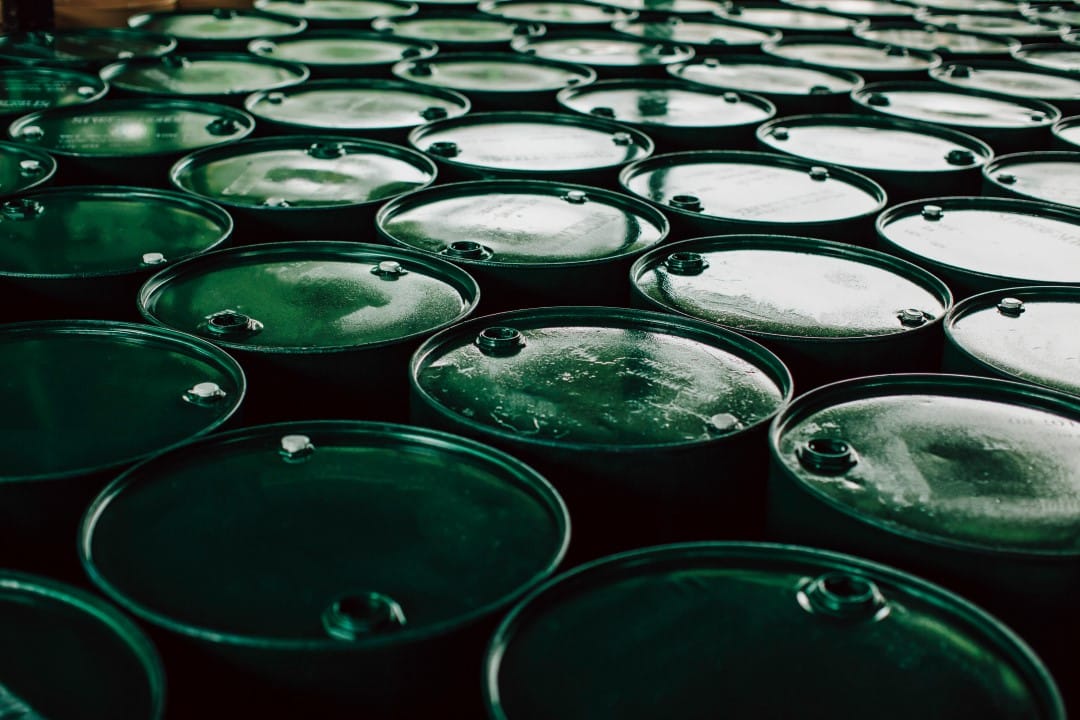
Geopolitical instability in Oriente Médio triggered a high-priority diplomatic move in Ásia, resulting in an official appeal from Hanói to Tóquio. The Vietnamese government has formalized a request for the emergency acquisition of petroleum products from Japanese national stocks. The measure aims to protect the economy of the country of Sudeste Asiático against supply shocks generated by the recent turmoil involving Irã.
The Prime Minister of Vietnã, Pham Minh Chinh, sent an official correspondence to the Prime Minister of Japão, Takaichi, detailing the need for supplies. The main focus of the request is on the supply of aviation fuel, a highly refined input and essential for maintaining the regional logistics network. Interrupting the flow of this material directly threatens trade routes and the stability of global energy prices.
The urgency of the request reflects the fear of blockages in straits vital for international navigation, which would delay the arrival of oil tankers at Ásia. Diante In this scenario, the search for regional partners that hold robust strategic reserves has become the Vietnamese government’s main alternative to cushion any shocks in the hydrocarbons market and guarantee the functioning of its critical sectors.
Diplomatic negotiations under government secrecy
During a press conference, the chief secretary of the Japanese Gabinete, Kihara Minoru, attested to the receipt of the formal request by the Vietnamese authorities. The government spokesperson clarified that the ambassador of Japão to Vietnã, Ito, conducted a face-to-face meeting with Prime Minister Pham Minh Chinh to discuss the preliminary terms of this energy cooperation. Embora confirmation of the meeting has been made public, specific details on volumes, values and delivery times remain under strict diplomatic secrecy. Tóquio’s cautious stance reflects the sensitivity of the issue, since the release of strategic reserves involves strict national security protocols and interministerial approvals.
The Japanese government meticulously evaluates the implications of setting a precedent of this magnitude, weighing the risks of internal shortages. Technical teams from both countries began a series of virtual consultations to map the feasibility of the operation. Para mitigate operational risks, negotiators evaluate crucial points of joint action:
– Avaliação detailed excess capacity in Japanese refineries
– Análise of logistical feasibility for safe maritime transport
– Verificação of national security protocols established by Tóquio
– Estruturação of financial guarantees for the transfer operation
Risk of shortages in civil aviation
Aviation fuel emerges as the most vulnerable input in the current scenario of international tensions. Air passenger transport and cargo movement depend on a continuous flow of this specific derivative, the production of which requires highly specialized refining infrastructure and a constant supply of raw raw materials.
A possible interruption in supply would cause severe damage to the local economy, forcing the mass cancellation of commercial and cargo flights. Airlines operating in the region are already monitoring the situation closely, drawing up strict contingency plans to avoid a total shutdown of their operational fleets.
Protection of Asian production chains
The maintenance of Japanese industrial operations installed in Vietnamese territory weighs significantly in the balance of Tóquio decisions. Muitas technology companies and vehicle manufacturers have factories in the neighboring country, operating in a strictly interdependent manner and based on the continuous production model.
An energy crisis in Vietnã would paralyze the production of electronic and automotive components essential for Japão exports. Esse scenario would directly affect the trade balance of both nations, generating a ripple effect on the global supply chains that depend on these manufacturing hubs.
Protecting these factories from blackouts or forced rationing of basic fuels is a mutual interest. Agile coordination between governments seeks to avoid the shutdown of entire manufacturing parks, ensuring the continuity of industrial production in the Asian region without abrupt interruptions.
Legislation on strategic energy reserves
The official positioning of Japão in light of this unprecedented request requires an in-depth technical analysis, coordinated by Ministério of Economia, Comércio and Indústria. Current legislation determines that strategic reserves, maintained both by Estado and by the private sector, must cover at least ninety days of uninterrupted national consumption. Qualquer release of volumes abroad requires a special decree, based on imminent risks to global supply that justify the relaxation of this safety margin stipulated by law. Japanese refineries currently operate with an exclusive focus on meeting domestic demand, which also faces the volatility of international oil prices and high sea freight costs. The assessment process includes stress simulations on refining capacity to verify the feasibility of processing surplus aviation fuel without burdening the internal system, maintaining energy sovereignty as a non-negotiable pillar in any international negotiations.
Debates in parliament on internal security
The possibility of exporting strategic reserves generated intense debates in the Câmara of the Representantes of the Japão. Parlamentares question the feasibility of transferring essential resources at a time of global uncertainty and market volatility.
Representative Tatsumaru Yamaoka demanded formal explanations from the government about the legality of the measure. Ele argues that the use of these stocks should be strictly aimed at protecting the domestic consumer against energy inflation at the pumps.
In response to questions, Ministro of Economia, Comércio and Indústria, Ryosei Akazawa, guaranteed that the reserves exist primarily to face severe national crises. The government’s priority remains focused on domestic supply.
The minister ruled out the hypothesis of private companies selling these volumes abroad based solely on financial opportunities. Ele reaffirmed Estado’s commitment to the safety of the population and the Japanese industrial park.
Alternatives for the hydrocarbons market
The escalation of tensions in Oriente Médio forced Ásia importing countries to urgently review their supply contingency plans. Nações with high external dependence need to quickly diversify their suppliers to avoid the collapse of their logistics networks. The search for bilateral supply agreements has become a priority on the region’s diplomatic agendas, aiming to overcome the exclusive dependence on maritime routes vulnerable to armed conflicts.
Authorities have avoided confirming whether other Asian nations have filed requests similar to Tóquio. The Japanese government maintains a restricted line of communication to avoid generating speculation in the financial commodities market. The final decision on the transfer will depend on a strict consensus between public policy makers and executives of large corporations in the energy sector, evaluating the real delivery capacity without compromising the local market.
Transport logistics on sea routes
Logistical planning for any international movement of oil cargo requires months in advance. Japanese private companies operate under strict guidelines to avoid congestion at Asian ports and ensure the physical safety of vessels along the sea route, especially when transporting highly flammable materials such as jet fuel.
Regional cooperation for energy security
Negotiations between the two Asian nations could pave the way for future joint stockpiling agreements. The transfer of advanced refining technology also appears as a possibility for long-term cooperation between governments.
While awaiting the outcome of current negotiations, authorities from both governments are continuously monitoring fluctuations in the global market. Technical teams remain ready to adjust economic defense strategies according to the daily evolution of the international geopolitical scenario.