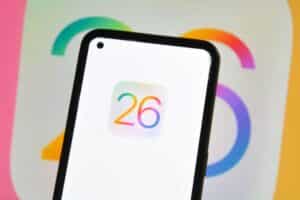
Apple releases final test version of iOS 18.4 with new accessibility features

The Cupertino-based technology giant has started distributing version Release Candidate of the mobile operating system to registered developers and participants in the public testing program. The software update represents the final verification step before the official release to the general public and brings a robust set of structural modifications to the source code. The installation package is now available on the company’s servers for download via wireless network, requiring that compatible devices have sufficient storage space and a battery charge greater than fifty percent to begin the system file replacement procedure. The compilation process of this version aims to guarantee the stability of the new integrated functions.
The development cycle of this specific version focused on the stability of the system core and the implementation of tools aimed at daily usability. Software engineers have worked to optimize power consumption in the background by adjusting how apps manage data refreshes when they are not in active use on the device’s screen. Telemetry collected during previous beta phases indicated the need for corrections in wireless network protocols.

The release notes detail profound changes to the architecture of native applications, with emphasis on media platforms and the device’s adaptive control options. The company has established new security parameters for the execution of local tasks, ensuring that the processing of sensitive data occurs directly on the user’s hardware, without the need to send information to external data centers. Update compatibility covers devices released in recent years that have advanced neural processing capabilities.
Enhancements to the native music playback platform
The audio streaming app has received a revamp to its recommendation algorithm with the introduction of a dynamic playlist generation feature. The tool uses natural language processing to interpret text commands entered by the user, creating musical sequences based on specific parameters of mood, genre, decade or physical activity. The system analyzes the existing library, playback history and global listening trends to suggest tracks that align with the textual request, allowing fine adjustments through an acoustic parameter control interface. Cached loading of these lists has been optimized to reduce mobile data consumption while browsing.
The media player’s graphical interface has undergone visual refinements, incorporating expanded support for animated album covers that now occupy the entire screen during playback, utilizing the system’s graphical rendering technology to maintain fluidity at sixty frames per second. The update also establishes a more efficient data bridge with the classical music application, allowing complex metadata, such as information about conductors, orchestras, soloists and composers from different historical periods, to be viewed directly in the main interface without the need to switch between audio software.
Device control through eye tracking
The operating system’s accessibility architecture has been expanded with the native integration of an eye-tracking technology, designed to allow full interface navigation without the need for physical touches on the screen. The mechanism uses the high-resolution front camera in conjunction with infrared depth sensors to map the user’s eyeball in real time, processing the data locally through the main processor’s neural engine. The initial calibration process requires the individual to follow a moving dot across the screen for a few seconds, establishing the precision parameters necessary for proper operation in different ambient lighting conditions. Once activated, the feature allows the gaze to function as a virtual cursor, while the act of blinking or maintaining visual fixation on a specific element for a predetermined period acts as the selection command, replacing the traditional touch. Processing occurs entirely on the device, ensuring that biometric information is not transmitted to external servers, maintaining the integrity and privacy of the equipment owner’s data.
Motion Discomfort Mitigation System
The developers introduced a function specifically designed to reduce the incidence of motion sickness, the physiological motion sickness caused by reading on screens while the user is inside moving vehicles. The feature uses the device’s inertial sensors, such as the accelerometer and gyroscope, to detect patterns of acceleration, braking and sharp turns in real time.
When activated, the system projects small, high-contrast animated dots on the edges of the screen that move in a direction opposite to the vehicle’s inertia. Essa continuous visual response helps synchronize the ocular perception of movement on the display with the physical movement felt by the vestibular system of the user’s body, reducing the sensory conflict that generates discomfort during land or air travel.
Setting up custom vocal shortcuts
The update brings the ability to register specific sounds or unconventional words to directly trigger system functions. The user can record a unique vocal pattern in the accessibility settings menu, associating it with complex operating system actions.
This tool differs from the standard virtual assistant in that it does not require a prior wake word and works instantly and continuously. It is possible to configure a short sound to scroll a browser screen, open a frequently used application, activate the camera or capture the display image in fractions of a second.


The recognition of these vocal patterns is performed seamlessly by the device’s microphone, using machine learning algorithms. Software engineering isolated this processing in a low-power processor core so as not to negatively impact battery life during daily use of the equipment.
Cloud sync and productivity tools
The native digital whiteboard app has received direct integration with professional content creation platforms. The modification aims to facilitate the workflow of designers, architects and editors who use the device for preliminary sketches.
Synchronization of large files has been optimized through a new background data transfer protocol. The system now prioritizes connection stability on congested wireless networks, fragmenting data packets to avoid corruption.
Users can import complex graphics and vectors directly into the virtual desktop without loss of original resolution. The rendering of these elements occurs accelerated by the device’s graphics hardware, maintaining touch responsiveness.
Sharing options have been expanded to allow multiple collaborators to edit the same document simultaneously with lower network latency. The history of changes is now recorded in a granular manner, allowing the reversal of specific modifications made by different users.
Modifications to the family payment structure
The family management system has undergone a restructuring of its subscription billing and distribution policies. Membros adults in a family group now have the technical ability to register individual payment methods in their respective user profiles.
The change eliminates the obligation to concentrate all digital expenses on the group’s main organizer’s credit card. Application and service purchases made by adult accounts are processed independently by financial institutions, maintaining unrestricted access to shared storage and media services.
Visual dictionary and virtual keyboard update
The software package includes the addition of eight new visual characters to the standard keyboard, covering everyday items and cultural symbols, which have been standardized by the international text encoding consortium. Paralelamente, the virtual keyboard’s text prediction engine has been refined with new language models to reduce the occurrence of accidental touches to the edges of the screen. The update improves high-speed typing accuracy through dynamic adjustments to the invisible contact area of the digital buttons, adapting to each user’s individual typing pattern over time, as well as enhancing the haptic vibration motor to provide more accurate physical responses to each character entered in the text field.
Veja Tambem em News (EN)

Research reveals that parents are unaware of how their children use artificial intelligence
Samsung releases new system update with new features for Galaxy Watch 4 users
Digital retail reduces the value of the Galaxy S25 5G smartphone with bank bonuses and device exchange
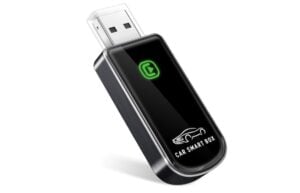
Amazon’s wireless CarPlay adapter has a 50% discount and high approval ratings from drivers

Zach Cregger’s new Resident Evil ignores games and focuses on an unprecedented story with new characters

Rumor suggests that Nintendo is preparing a special edition of the Switch 2 with a remake of Ocarina of Time
Apple accelerates production of the iPhone 17e and develops new Air model with dual camera system

Epic Games platform releases twelve high-budget games at no permanent cost for PC users

PlayStation 5 Pro price drop accelerates digital retail sales and eliminates global stocks

New Galaxy Watch 9 firmware appears on server and confirms progress in software development

Apple’s commemorative project tests cell phone with 1.1 millimeter edge and curved screen for 2027